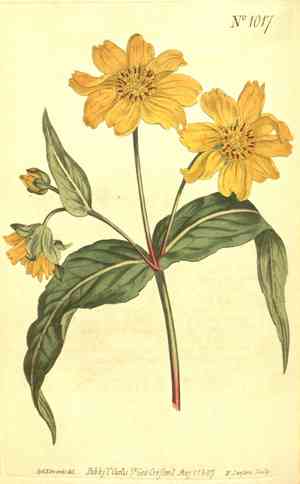
Apache plant (Guardiola platyphylla)
Also known as: None
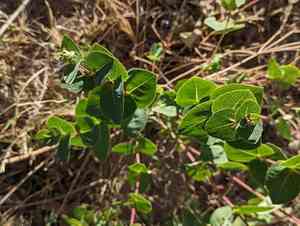
Guardiola platyphylla is a perennial herb or subshrub that can grow up to 1 meter in height. Its leaves are thick, leathery, and arranged oppositely, reaching up to 7 cm in length. The plant features several flower heads organized in a flat-topped cluster. Each flower head comprises 1 to 5 white ray flowers encircling 3 to 20 white disc flowers.
In This Article
Attributes of Apache plant
Lifespan
Perennial
Plant Type
Herb
Plant Height
Approximately 1 to 2 meters
Spread
Not commonly noted
Leaf Color
Green
Flower Size
Approximately 1 to 2 centimeters
Flower Color
Yellow
Images of Apache plant
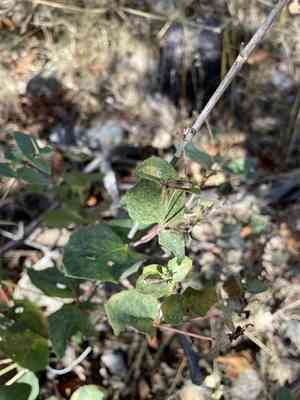
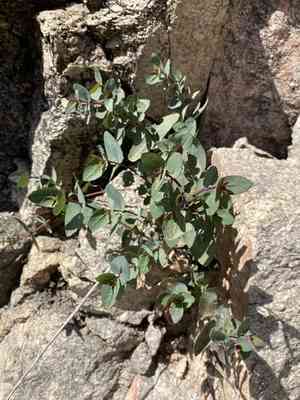
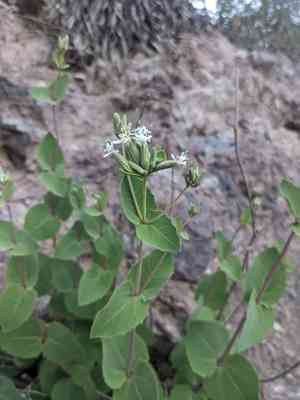
Quickly Identify Apache plant
1
To identify Guardiola platyphylla, look for its broad, flat leaves and distinctive yellow flower heads. The plant typically grows in specific habitats, such as mountainous or rocky areas in Mexico.
Scientific Classification of Apache plant
Phylum
Vascular plants
Class
Dicotyledons
Order
Asterales
Family
Daisy
Genus
Guardiola
Species
Apache plant
Planting and Growing of Apache plant
Care Difficulty
Easy
Watering Schedule
Every 2 days
Sunlight Requirements
Partial sun
Sunshine Duration
4-8 hours
Ideal Temperature
70-75℉
Soil Type
Potting Mix, Peat Mix
Soil pH
6-7.5
Fertilizer Type
Balanced
Pruning Season
Spring, Summer
Pruning Area
Branches, Leaves
Pruning Frequency
2 times a year
Repotting Season
Spring
Pot Type
Plastic, Ceramic
 How to Water Apache plant?
Guardiola platyphylla enjoys a moderate amount of water. Aim to provide approximately 500 ml each time you water. This amount helps the soil to stay consistently moist but not waterlogged, which can promote healthy root growth. Always ensure that the water reaches the root zone and that excess water can drain away to avoid root rot.
What are the symptoms of an underwatered Apache plant?
›
What should I do if my Apache plant is not getting enough water?
›
What are the symptoms of an overwatered Apache plant?
›
How to save an overwatered Apache plant?
›
 What Are the Sunlight Requirements for Apache plant?
Guardiola platyphylla benefits from partial to full sun exposure, ideally receiving 6 to 8 hours of sunlight daily. Adequate light increases photosynthesis, supports flowering, strengthens the plant, and maintains its lush foliage.
How much direct sunlight does Guardiola platyphylla need?
›
What happens if Guardiola platyphylla gets too much sunlight?
›
Why is it important for Guardiola platyphylla to get the right light exposure?
›
 What Is the Ideal Temperature Range for Apache plant?
Guardiola platyphylla thrives best between 70°F and 75°F. This range supports healthy photosynthesis and metabolic processes, ensuring optimal growth and vibrant foliage. Within this temperature window, the plant can sustain its physiological activities efficiently.
 What Soil is Best for Apache plant?
Guardiola platyphylla thrives best in well-drained soil. This condition prevents waterlogging, which can lead to root rot. Proper drainage ensures healthy root development and optimal nutrient uptake. The soil should be rich in organic matter, which provides necessary nutrients for growth. Using compost or organic fertilizers can enhance soil fertility, promoting robust foliage and blooms. Maintaining a slightly acidic to neutral pH between 6.0 and 7.5 is crucial. This range ensures optimal nutrient availability and healthy growth, preventing micronutrient deficiencies.
 How to Fertilize Apache plant?
For optimal growth of Guardiola platyphylla, apply a balanced liquid fertilizer, where the recommended amount is usually around half the manufacturer’s suggested rate, to avoid over-fertilization.
 How to Prune Apache plant?
Start by inspecting the plant and identifying dead, damaged, or diseased branches. Use sharp, clean pruning shears to cut these parts back to the base or to a healthy node. Next, trim back overgrown areas to maintain the desired shape of the plant, making cuts at a slight angle just above a leaf node to encourage bushier growth. In early Spring, perform a more in-depth pruning to set the foundation for the year’s growth. During Summer, focus on shaping and removing excess growth. Autumn is ideal for tidying up after summer’s exuberant growth, while Winter pruning eliminates any risks from ice or snow damage and prepares the plant for dormancy.
More About Pruning Techniques→
 How to Propagate Apache plant plant?
1
Collect mature seeds from an existing Guardiola platyphylla plant. Clean them thoroughly and soak in water for 24 hours to soften the seed coat, which aids in germination.
2
Select healthy, non-flowering stems for cuttings. Cut approximately 4-6 inches in length and remove the lower leaves. Dip the cut end in rooting hormone to encourage root development.
3
For seeds, plant them in a seed tray with a mix of equal parts compost and perlite. For cuttings, insert them into a pot filled with the same mixture. Maintain humidity with a plastic cover or misting.
 How to Repot Apache plant plant?
1
Look for signals such as roots growing out of the drainage holes or the plant appearing top-heavy. Additionally, slowed growth and poor water retention are indications that it's time to repot Guardiola platyphylla. The ideal time is during its active growth phases in spring or autumn.
2
Choose a pot with proper drainage holes to prevent waterlogging, ideally a size bigger than the current one. This allows the roots ample space to grow and reduces the risk of root-bound issues, promoting healthier development for your plant.
3
Opt for a well-draining potting mix, possibly incorporating 30% perlite or sand. This ensures excess moisture escapes quickly, safeguarding the roots from rot and maintaining a balanced environment for nutrient uptake.
Learn More About Apache plant Diseases
Anthracnose
Bacterial Leaf Spot
Bacterial Soft Rot
Bacterial Wilt
Black Spot
Chemical Injury
Crown Gall
Cyst Nematode
Damping-off
Downy Mildew
Drought Stress
Fusarium Wilt
Gray Mold
Leaf Spot
Mosaic
Nutrient Deficiency
Nutrient Toxicity
Powdery Mildew
Root Rot
Root-knot Nematode
Rusts
Sooty Mold
Spider Mites
Temperature Stress
Thrips Damage
White Mold



