How to Transplant Big bend pricklypear?
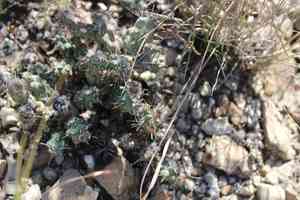
To achieve optimal outcomes, relocate big bend pricklypear in the early to middle part of spring or during late fall, since these intervals offer ideal circumstances for development. Select a bright, adequately drained site to guarantee robust integration. Bear in mind that proper adjustment to the fresh environment is essential.
What Preparations are Needed Before Transplanting Big Bend Pricklypear?
What is the Ideal Time for Transplanting Big Bend Pricklypear?
The optimal period to relocate big bend pricklypear, a perennial, is during early to mid-spring or late autumn. Moving the plant at these times allows its root system to develop before summer's intense heat or winter's cold, promoting vigorous growth. This timing aids in water and nutrient absorption, fostering overall plant vitality.
How Much Space Should You Leave Between Big Bend Pricklypear Plants?
Ensure your big bend pricklypear plants are spaced 24-36 inches (60-90 cm) apart. This provides ample room for growth and nutrient access without competition.
What is the Best Soil Mix for Big Bend Pricklypear Transplanting?
For your big bend pricklypear, prepare soil that drains well, ideally a blend of sandy and gritty components. Incorporating a slow-release, balanced fertilizer at the base will help your plant settle and flourish.
Where Should You Relocate Your Big Bend Pricklypear?
Select a bright, sunny location for transplanting your big bend pricklypear. This plant thrives in full sun, so aim for at least 6-8 hours of direct sunlight daily.
What Equipments Should You Prepare Before Transplantation Big Bend Pricklypear?
Gardening Gloves
To safeguard your hands while handling soil and big bend pricklypear.
Shovel or Spade
For excavating around the plant to remove it from its original spot and for digging a new hole.
Garden Trowel
For more precise digging and root manipulation if necessary.
Pruners
To trim and remove any damaged or dead parts of the big bend pricklypear during the process.
Wheelbarrow
To move the big bend pricklypear from its initial location to the new planting site.
Burlap Cloth or Plastic Sheet
To wrap the root ball if needed, keeping it intact and hydrated during transfer.
Watering Can or Hose
To hydrate the plant before removal and after transplanting.
How Do You Remove Big Bend Pricklypear from the Soil?
How Do You Remove Big Bend Pricklypear from the Soil?
From Ground: First, moisten the big bend pricklypear's soil. Then, use a shovel or spade to dig a wide trench around the plant, ensuring the root ball remains whole. Carefully work the spade beneath the root ball to lift the plant from its original spot.From Pot: Tilt the pot sideways and gently tap its sides to loosen the soil. Hold the base of the big bend pricklypear and carefully slide the plant out, making sure the root ball stays intact.From Seedling Tray: Ensure the soil is damp. Use a garden trowel to gently lift the big bend pricklypear seedlings from the tray, taking care to keep roots and soil undisturbed.
Step-by-Step Guide for Transplanting Big Bend Pricklypear
Site Preparation
Prepare the new location by digging a hole twice as wide and as deep as the big bend pricklypear's root ball.
Plant Removal
Follow the appropriate removal procedure based on the big bend pricklypear's original placement.
Plant Placement
Position the big bend pricklypear into the prepared hole, ensuring it sits at the same depth as it did previously. Adjust the soil beneath the root ball if needed for correct height.
Backfilling
Gradually fill the hole with soil, pressing gently but firmly around the root ball to eliminate air pockets. Ensure the plant stands upright and is well-supported.
Watering
Thoroughly water the newly transplanted big bend pricklypear to help settle the soil around its roots.
How Do You Care For Big Bend Pricklypear After Transplanting?
Watering
Keep the soil around the big bend pricklypear consistently moist, but not waterlogged, for the initial weeks post-transplant to aid in root establishment.
Mulching
Apply a layer of mulch around the base of the big bend pricklypear to help retain moisture and regulate soil temperature.
Monitoring
Regularly check for signs of stress, such as wilting or yellowing foliage, and adjust care as necessary.
Protection
Shield the big bend pricklypear from harsh weather conditions like strong winds or heavy rains, especially during the first few weeks after transplanting.
Troubleshooting Common Issues with Big Bend Pricklypear Transplantation.
When is the best time to transplant big bend pricklypear?
Transplant big bend pricklypear ideally in early spring, mid spring, or late fall for best results.
How much spacing is needed for big bend pricklypear?
Ensure a spacing of 24-36 inches (60-90 cm) between each big bend pricklypear for healthy growth.
What type of soil is best for big bend pricklypear?
Use well-draining soil mixed with sand or gravel to prevent root rot in big bend pricklypear.
How should I handle big bend pricklypear during transplanting?
Wear thick gloves to protect from spines and handle stems carefully when moving big bend pricklypear.
How deep should I plant big bend pricklypear?
Plant big bend pricklypear at the same depth it was previously growing to ensure stability.
How often should I water big bend pricklypear after transplanting?
Water sparingly, allowing soil to dry out completely between watering to prevent overwatering.
Should I fertilize big bend pricklypear after transplanting?
Avoid fertilizing immediately; wait until new growth appears to lightly fertilize big bend pricklypear if needed.
What temperatures are too extreme for recent big bend pricklypear transplants?
Avoid transplanting big bend pricklypear in extreme temperatures above 90°F (32°C) or below 40°F (4°C).
Do I need to support or stake big bend pricklypear after transplanting?
Support may be necessary if big bend pricklypear is tall or top-heavy to prevent it from tipping over.
How long until big bend pricklypear is established in its new location?
It may take a few weeks to a few months for big bend pricklypear to fully establish.



