How to Prune Big bend pricklypear?
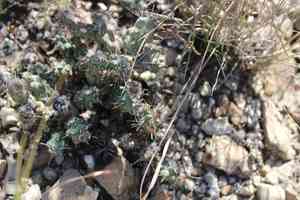
Opuntia engelmannii var. flavispina exhibits characteristic, articulated pads and pointed thorns. Perform trimming in late winter or early spring to control its dimensions and form, eliminate compromised or ailing sections, and enhance airflow. Employ sterilized implements to sever at the junctures. Trimming fosters more robust development, diminishes problems with pests, and stimulates flowering. Exercise caution at all times to prevent harm from the thorns.
What Are the Benefits of Pruning Big Bend Pricklypear?
What Are the Benefits of Pruning Big Bend Pricklypear?
Trimming big bend pricklypear promotes robust development and maintains its form, ensuring vigorous growth and lowering the chance of pest and disease outbreaks. Regular trimming fosters a stronger structure and improved air circulation, enhancing overall plant health.
What Is the Best Time for Pruning Big Bend Pricklypear?
What Is the Best Time for Pruning Big Bend Pricklypear?
Trimming big bend pricklypear from late winter to early spring is ideal as this period aligns with the plant's dormant phase, reducing stress and encouraging quicker recovery as it enters the growing season. Pruning at this time also avoids disrupting the flowering and fruiting stages, safeguarding big bend pricklypear's health and stimulating strong growth. Furthermore, cutting back before new growth begins helps shape the plant and eliminates any damaged or diseased parts prior to the active growth period.
What Tools Do I Need to Prune Big Bend Pricklypear?
Pruning Shears
Perfect for making clean cuts on smaller pads and stems; their sharpness helps prevent plant damage.
Long-handled Loppers
Useful for reaching and cutting thicker stems without getting too close to the spines, ensuring safety and precision.
Protective Gloves
Essential for handling the plant safely, guarding against spines and glochids that can irritate skin.
Pruning Saw
Needed for cutting through larger, woody stems; its serrated blade allows for easier cutting of tough material.
Tongs
Helpful for holding and moving pads without direct contact, minimizing the risk of injury from spines.
How to Prune Big Bend Pricklypear
Identify
Carefully examine big bend pricklypear to locate any diseased or withered foliage. Look for signs of discoloration, spots, or drooping sections.
Prepare
Ready sterilized pruning shears. Ensure they are clean to prevent spreading any potential diseases to healthy parts of big bend pricklypear.
Remove Diseased
Carefully snip off the diseased leaves at their base, making sure not to harm the main stem. Properly dispose of the removed diseased leaves to prevent contamination.
Remove Withered
Trim the withered leaves close to the base, being careful not to cut into the healthy tissue of big bend pricklypear. Ensure all withered parts are completely removed to encourage healthy growth.
Disinfect
After pruning, sanitize your pruning tools with a solution of one part bleach to nine parts water to prevent any transmission of disease to other plants.
Common Pruning Mistakes with Big Bend Pricklypear
Pruning at wrong angles
Cutting big bend pricklypear at improper angles can cause unnecessary harm and increase the risk of infections, which can impede its growth.
Over pruning
Removing too much of big bend pricklypear at once can stress the plant, leading to weakened growth and reduced resilience.
Using dull tools
Utilizing dull cutting tools can crush the stems instead of making clean cuts, increasing susceptibility to disease.
Incorrect sanitization
Failing to sanitize pruning tools before and after use can introduce pathogens to big bend pricklypear, potentially causing infections.
Common Pruning Tips for Big Bend Pricklypear
Sharp tools
Always use sharp, clean pruning shears to make precise cuts and minimize harm to big bend pricklypear.
Sanitize equipment
Sanitize your pruning tools with a disinfectant before and after pruning to prevent the spread of diseases.
Cut at angles
Make cuts at a slight angle to allow water to run off, which helps prevent rot and promotes faster healing.
Gradual pruning
Prune big bend pricklypear gradually, removing no more than 20-30% of the plant at one time to avoid stressing it.
Focus on damaged areas
Prioritize removing damaged, diseased, or dead sections to encourage healthy new growth and maintain overall plant vigor.



