How to Transplant Roundfruit hedgehyssop?
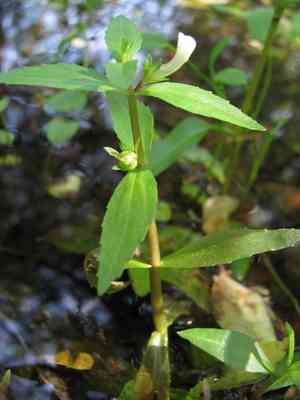
The most favorable time to relocate roundfruit hedgehyssop is from early to late summer, since elevated temperatures facilitate root development. Position it in a location receiving full sun or partial shade, ensuring the soil is damp and drains effectively for optimal growth.
Essential Preparations Before Relocating Roundfruit Hedgehyssop
Optimal Timing for Relocating Roundfruit Hedgehyssop?
The best period for moving roundfruit hedgehyssop is from early to late summer. This timeframe is ideal as it allows the plant to establish its root system while the ground is warm, thereby minimizing transplant stress. Relocating during this season boosts the plant's growth and blooming potential, ensuring strong development and resilience throughout its active period.
Recommended Spacing Between Roundfruit Hedgehyssop Plants?
Prior to relocating your roundfruit hedgehyssop, ensure they are spaced approximately 6-12 inches (15-30 cm) apart. This provides ample room for each plant to grow without competing for essential resources.
Ideal Soil Mixture for Roundfruit Hedgehyssop Relocation?
Prepare the soil by ensuring it drains well and is rich in organic material. A pH level of slightly acidic to neutral (6.0-7.0) is perfect. Incorporate a balanced base fertilizer to give your plants a healthy start.
Optimal Location for Your Roundfruit Hedgehyssop?
Select a site that receives full sun to partial shade. Roundfruit hedgehyssop thrives best with at least 4-6 hours of daily sunlight. This ensures your plants receive sufficient energy for robust and healthy growth.
Tools Required Before Relocating Roundfruit Hedgehyssop?
Gardening Gloves
To safeguard your hands while handling soil and plants.
Shovel or Spade
For excavating both the original plant and the new planting site.
Hand Trowel
For more precise tasks near the plant.
Watering Can or Hose
To keep the soil hydrated before and after the move.
Compost
To enrich the soil at the new planting spot.
Mulch
To help maintain soil moisture after relocation.
How to Extract Roundfruit Hedgehyssop from the Ground?
How to Extract Roundfruit Hedgehyssop from the Ground?
From Ground: First, hydrate the roundfruit hedgehyssop plant to moisten the soil. Next, dig a wide trench around the plant using a shovel or spade, making sure the plant's root ball stays intact. Carefully work the spade beneath the root ball to lift the plant from its initial position.From Pot: Gently loosen the soil around the pot's edges by carefully tapping it. Turn the pot on its side and carefully slide the plant out, supporting the root ball with your hands to keep it whole.From Seedling Tray: Water the seedlings thoroughly to facilitate easier and less stressful root removal. Use a hand trowel to carefully lift each seedling, digging deep enough to retrieve the entire root system.
Detailed Guide for Relocating Roundfruit Hedgehyssop
Location Selection
Choose a site with adequate sunlight and room for your roundfruit hedgehyssop plant to reach its full size.
Prepare the New Cavity
Dig a hole in the new spot that is twice as wide and slightly deeper than the root ball of the roundfruit hedgehyssop plant.
Enrich the Earth
Mix some compost into the soil removed from the hole to create a nutrient-rich environment for the roundfruit hedgehyssop plant.
Relocate the Plant
Carefully place the roundfruit hedgehyssop plant into the new hole, ensuring it is planted at the same depth as it was in its previous location. Fill in around the root ball with the enriched soil.
Water Thoroughly
After planting, water the roundfruit hedgehyssop plant thoroughly to help settle the soil and remove air pockets around the roots.
Mulch
Apply a layer of mulch around the base of the roundfruit hedgehyssop plant to help retain moisture and deter weeds.
Post-Relocation Care for Roundfruit Hedgehyssop
Watering
Keep the soil around the roundfruit hedgehyssop consistently moist, but not waterlogged, for the initial weeks after relocation to aid in strong root establishment.
Monitoring
Observe for any indications of transplant shock, such as wilting or yellowing leaves, and adjust watering or sun protection as needed.
Feeding
Wait a few weeks before applying any fertilizer to the newly relocated roundfruit hedgehyssop to allow it time to adapt to its new environment.
Pest Control
Watch for pests and treat them appropriately to ensure your roundfruit hedgehyssop plant remains healthy.
Resolving Common Issues with Roundfruit Hedgehyssop Relocation.
When is the best time to move roundfruit hedgehyssop?
Early to late summer is the ideal period for relocating roundfruit hedgehyssop.
How far apart should I space roundfruit hedgehyssop when moving them?
Space your roundfruit hedgehyssop plants 6-12 inches (15-30 cm) apart for optimal growth.
Why are my roundfruit hedgehyssop leaves yellowing after relocation?
Yellow leaves might signal transplant shock. Ensure proper hydration and initial partial shade.
How do I prepare the soil for moving roundfruit hedgehyssop?
Use well-drained, fertile soil. Incorporate compost to enrich it before relocating roundfruit hedgehyssop.
At what depth should I plant roundfruit hedgehyssop after relocation?
Plant roundfruit hedgehyssop at the same depth as it was in its original container to prevent stress.
How can I avoid root damage when moving roundfruit hedgehyssop?
Handle roundfruit hedgehyssop gently, keeping the root ball intact to minimize root disturbance.
Should roundfruit hedgehyssop be watered immediately after relocation?
Yes, water roundfruit hedgehyssop thoroughly after relocation to help settle the soil and reduce shock.
Can I move roundfruit hedgehyssop into direct sunlight?
Initially, avoid direct sunlight for roundfruit hedgehyssop. Partial shade can help lessen transplant shock.
What if my relocated roundfruit hedgehyssop wilts?
Try shading roundfruit hedgehyssop and maintain consistent moisture. Wilting often indicates transplant shock.
How long does roundfruit hedgehyssop take to recover from relocation shock?
Typically, roundfruit hedgehyssop recovers in 1-2 weeks with optimal care and conditions.



