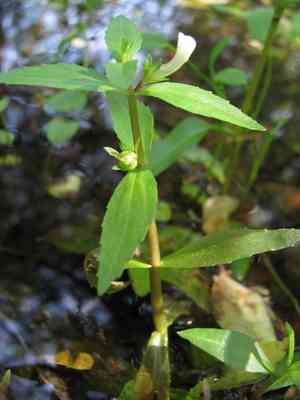
Roundfruit hedgehyssop (Gratiola virginiana)
Also known as: Hedge Hyssop
Gratiola officinalis, also known as gratiole, common hedgehyssop, or herb of grace, is an ornamental plant from the Plantaginaceae family. This rhizomatous perennial herb is indigenous to Europe.
In This Article
Attributes of Roundfruit hedgehyssop
Lifespan
Annual, Biennial
Plant Type
Herb
Plant Height
10 to 30 cm
Spread
Not typically measured; foliage spread is minimal
Leaf Color
Green
Flower Size
Approximately 1 cm
Flower Color
White or pale yellow with purple accents
Images of Roundfruit hedgehyssop
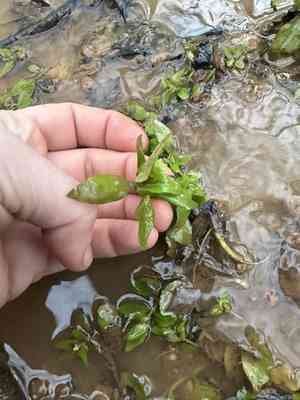
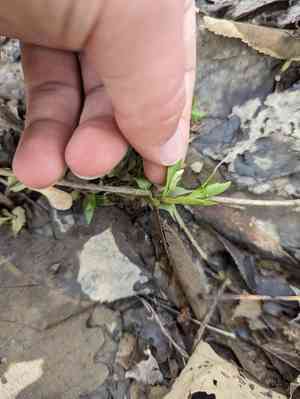
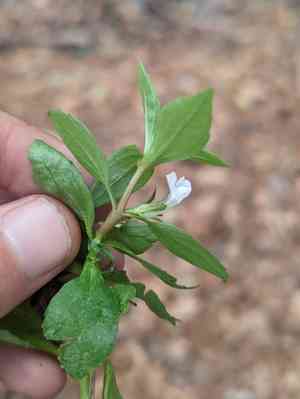
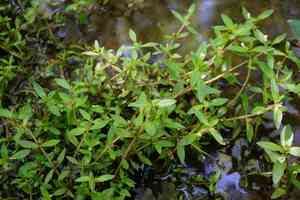
Quickly Identify Roundfruit hedgehyssop
1
Identifying Gratiola virginiana involves looking for its small, tubular flowers which are typically white or pale yellow with a touch of purple. The leaves are opposite, narrow, and lance-shaped.
Scientific Classification of Roundfruit hedgehyssop
Phylum
Vascular plants
Class
Dicotyledons
Order
Lamiales
Family
Plantain
Genus
Gratiola
Species
Roundfruit hedgehyssop
Planting and Growing of Roundfruit hedgehyssop
Care Difficulty
Easy
Watering Schedule
Every 6 days
Sunlight Requirements
Partial sun
Sunshine Duration
6-10 hours
Ideal Temperature
65-75℉
Soil Type
Potting Mix, Peat Mix
Soil pH
6.5-7.5
Fertilizer Type
Balanced
Pruning Season
Spring, Summer
Pruning Area
Branches, Leaves
Pruning Frequency
2 times a year
Repotting Season
Spring
Pot Type
Plastic, Ceramic
 How to Water Roundfruit hedgehyssop?
Gratiola virginiana prefers evenly moist soil, so thoroughly soak the soil until water begins to drain from the bottom of the pot. Ensure it's not waterlogged.
What are the symptoms of an underwatered Roundfruit hedgehyssop?
›
What should I do if my Roundfruit hedgehyssop is not getting enough water?
›
What are the symptoms of an overwatered Roundfruit hedgehyssop?
›
How to save an overwatered Roundfruit hedgehyssop?
›
 What Are the Sunlight Requirements for Roundfruit hedgehyssop?
Gratiola virginiana prospers in partial to full sun. This light exposure helps maximize its photosynthetic efficiency, leading to vigorous growth and healthier foliage, while also boosting flower production.
How much light is ideal?
›
How to achieve ideal lighting?
›
Why ideal lighting is important?
›
 What Is the Ideal Temperature Range for Roundfruit hedgehyssop?
The ideal temperature range for growing Gratiola virginiana is between 65°F and 75°F. This range allows the plant to function optimally, supporting active growth and flowering. Consistent temperatures within this range help maintain cellular processes and metabolic functions that are vital for plant development.
 What Soil is Best for Roundfruit hedgehyssop?
Gratiola virginiana thrives in soils that offer good drainage. This means sandy loam or loamy soil is often ideal as it prevents waterlogging, averting root rot and promoting healthy growth. The plant prefers nutrient-rich soils, which provide essential elements for robust growth and flowering. Enriching loamy soil with organic matter helps sustain its lush foliage and vibrant blooms. This species appreciates a medium-textured soil such as sandy loam, which strikes a balance between water retention and drainage, supporting a healthy root system that is both hydrated and aerated.
 How to Fertilize Roundfruit hedgehyssop?
For Gratiola virginiana, apply a balanced liquid fertilizer diluted to half strength. Use approximately 1 tablespoon per gallon of water for liquid fertilizers to avoid over-fertilization. For slow-release fertilizers, use about 1/4 cup per square foot in late spring.
 How to Prune Roundfruit hedgehyssop?
Begin by inspecting the Gratiola virginiana for any dead or damaged stems. Cut these back to healthy tissue using sharp pruning shears. Trim back excess growth to maintain the natural shape of the plant. Aim to cut just above a leaf node, as this will promote new branching and fuller growth.
More About Pruning Techniques→
 How to Propagate Roundfruit hedgehyssop plant?
1
Gather mature seeds from healthy Gratiola virginiana plants. Ensure the seeds have fully developed by checking the color and texture. Clean and dry the seeds thoroughly before storage or planting.
2
Select a healthy stem from the parent plant, making a clean cut just below a node. Remove lower leaves to prevent rotting, leaving several leaves at the top.
3
Carefully dig up the mature plant, shaking off excess soil. Use a sharp knife to divide the root mass into sections, ensuring each section has roots and shoots.
 How to Repot Roundfruit hedgehyssop plant?
1
Gratiola virginiana requires repotting when it shows signs of slowed growth, root-bound conditions, or yellowing leaves. These signals indicate that the roots need more space and nutrients, making spring or early summer ideal for the process.
2
Select a pot that is one size larger with good drainage. This ensures the plant has enough room to grow while preventing waterlogging. A pot with substantial depth helps its roots to spread healthily.
3
Opt for a rich, well-drained loam to provide Gratiola virginiana with essential nutrients while allowing excess water to drain. This type of soil supports root health and encourages vigorous growth.
Toxicity
Ingestion, Skin contact
WARNING
The judgment on toxicity and danger is for reference only. We DO NOT GUARANTEE any accuracy of such judgment. Therefore, you SHALL NOT rely on such judgment. It is IMPORTANT TO SEEK PROFESSIONAL ADVICE in advance when necessary.
Learn More About Roundfruit hedgehyssop Diseases
Anthracnose
Bacterial Leaf Spot
Bacterial Soft Rot
Bacterial Wilt
Chemical Injury
Damping-off
Downy Mildew
Drought Stress
Fusarium Wilt
Gray Mold
Leaf Spot
Mosaic
Nutrient Deficiency
Nutrient Toxicity
Powdery Mildew
Root Rot
Root-knot Nematode
Rusts
Sooty Mold
Spider Mites
Temperature Stress
Thrips Damage
White Mold



