How to Prune Roundfruit hedgehyssop?
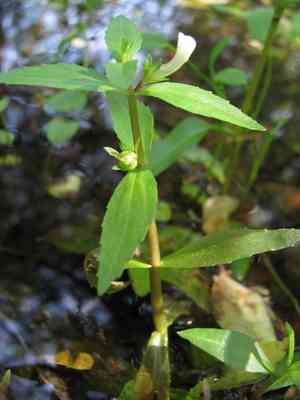
This enduring aquatic flora features unique grouped blossoms and flourishes in damp environments. For roundfruit hedgehyssop, trimming ought to concentrate on eliminating spent or withered blooms to stimulate renewed flowering and preserve a neat look. The most suitable times for trimming are during spring, summer, and autumn, coinciding with its periods of active development. Consistent trimming improves light penetration and air movement, both crucial for roundfruit hedgehyssop's well-being and robustness. This not only fosters denser growth but also boosts the quantity of flowers produced.
What Are the Benefits of Pruning Roundfruit Hedgehyssop?
What Are the Benefits of Pruning Roundfruit Hedgehyssop?
Trimming roundfruit hedgehyssop encourages robust development and helps maintain its form, ensuring the plant stays compact and manageable. Consistent cutting can revitalize older plants, promoting the emergence of fresh, healthy shoots.
What Is the Best Time for Pruning Roundfruit Hedgehyssop?
What Is the Best Time for Pruning Roundfruit Hedgehyssop?
The optimal periods for pruning or trimming roundfruit hedgehyssop are Spring, Summer, and Fall. These times coincide with the active growth phases of roundfruit hedgehyssop, allowing the plant to recover and regenerate more effectively after pruning. Spring pruning invigorates roundfruit hedgehyssop by eliminating old growth before new growth begins, boosting the plant's vitality and blooming potential. During Summer, trimming can be used to shape the plant or remove any diseased or overgrown branches, thereby preserving its aesthetic appeal and health. Fall pruning should be minimal, focusing on removing any dead or weak branches to prepare the plant for its dormant winter phase, optimizing its resilience and health.
What Tools Do I Need to Prune Roundfruit Hedgehyssop?
Hand Pruners
Perfect for trimming and shaping roundfruit hedgehyssop due to their accuracy and ability to make clean cuts on smaller stems, which aids in fostering healthy regrowth and maintaining the plant's desired form.
Gardening Scissors
Suitable for thinning and tidying up smaller or finer parts of roundfruit hedgehyssop. These are especially useful for detailed tasks, such as removing faded flowers or small crowded growths to improve air circulation and reduce pest risks.
Pruning Shears
Appropriate for larger stems of roundfruit hedgehyssop that hand pruners may not comfortably handle, ensuring that thicker stems can be cut back efficiently without causing stress to both the plant and gardener.
How to Prune Roundfruit Hedgehyssop
Identify
Locate the withered or dead leaves on roundfruit hedgehyssop. Carefully inspect the plant from top to bottom to differentiate healthy green leaves from those that are brown, dried out, or visibly damaged.
Clean tools
Clean and sanitize your pruning tools. Use alcohol or a bleach solution to wipe the blades to prevent the spread of disease and ensure a clean cut. Sharp scissors or hand pruners are ideal for the delicate stems of roundfruit hedgehyssop.
Cut leaves
Carefully trim the identified withered leaves. Make cuts close to the stem, ensuring not to harm the healthy parts. This helps promote healthy growth and prevents potential disease spread from decaying foliage.
Dispose
Properly dispose of the removed leaves. Do not leave them near or around roundfruit hedgehyssop as they can harbor pests or diseases that might affect the rest of the plant.
Monitor
Regularly observe roundfruit hedgehyssop after pruning. Check for signs of new growth or any further signs of distress. Consistent monitoring helps in maintaining the health and aesthetics of roundfruit hedgehyssop.
Common Pruning Mistakes with Roundfruit Hedgehyssop
Overpruning
Removing too much of roundfruit hedgehyssop's growth at once can severely weaken the plant. It is important not to remove more than one-third of the growth in a single pruning session.
Improper cut locations
Making cuts too far from a bud or node on roundfruit hedgehyssop can result in dead stubs that invite pests and diseases. Conversely, cutting too close can damage the buds, impeding new growth.
Using dull tools
Dull pruning tools may lead to ragged cuts that can harm roundfruit hedgehyssop, making it more susceptible to diseases. Always use sharp, clean tools for pruning.
Common Pruning Tips for Roundfruit Hedgehyssop
Selective pruning
Focus on removing only the dead, diseased, or overgrown branches to maintain the health and aesthetic of roundfruit hedgehyssop. This targeted approach encourages more vigorous growth and flowering.
Pruning for shape
Shape roundfruit hedgehyssop by pruning wayward or overly long branches to encourage a denser, more uniform appearance. This not only improves the visual appeal but also promotes healthier, more balanced growth.
Post-blooming cleanup
After roundfruit hedgehyssop flowers, perform light pruning to remove spent flowers and any undesirable growth. This will enhance the plant's appearance and vitality, encouraging further blooms in the following season.



