How to Transplant Melic mannagrass?
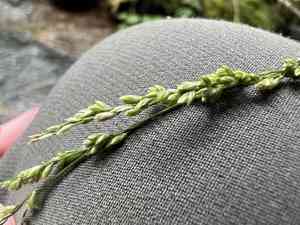
The ideal window for relocating melic mannagrass extends from the beginning to the end of spring, a time when environmental factors encourage vigorous root development. Select a site that receives either partial or complete sunlight and features damp, adequately draining earth. Such an environment fosters successful integration and flourishing development.
What Preparations are Needed Before Transplanting Melic Mannagrass?
What is the Ideal Time for Transplanting Melic Mannagrass?
The best period for relocating melic mannagrass spans from the beginning of early spring to the conclusion of late spring. This timeframe allows the plant to settle in before the intense heat of summer. By moving it during this window, melic mannagrass benefits from damp soil conditions and moderate temperatures, fostering strong root development and robust establishment prior to the active growth season.
How Much Space Should You Leave Between Melic Mannagrass Plants?
When relocating melic mannagrass, ensure each plant is spaced 12-18 inches (30-45 cm) apart. This provides sufficient room for growth and adequate nutrient uptake from the soil, leading to healthy and vigorous plants.
What is the Best Soil Mix for Melic Mannagrass Transplanting?
Prior to relocating melic mannagrass, prepare well-draining soil enriched with organic material. Incorporating a base fertilizer with a balanced ratio like 10-10-10 can give the plants a strong start. Loamy soil is perfect as it retains moisture while preventing waterlogging.
Where Should You Relocate Your Melic Mannagrass?
Select a spot for melic mannagrass that receives partial to full sun, approximately 4-6 hours of direct sunlight daily. This arrangement ensures they get enough light for optimal development while avoiding the harsh midday sun, making it easier for the plants to flourish.
What Equipments Should You Prepare Before Transplantation Melic Mannagrass?
Gardening Gloves
To safeguard your hands while handling soil and plants.
Hand Trowel
For excavating small, precise holes and lifting the plant.
Spade or Shovel
For larger digging tasks and extracting plants from the ground.
Watering Can
For ensuring the plant and soil are adequately hydrated before and after relocation.
Mulch
To help maintain soil moisture and protect the root system.
Compost
To enhance soil structure and supply essential nutrients.
How Do You Remove Melic Mannagrass from the Soil?
How Do You Remove Melic Mannagrass from the Soil?
From Ground: First, hydrate the melic mannagrass plant to moisten the soil. Next, excavate a wide trench around the plant using a shovel or spade, ensuring the plant's root ball remains intact. Carefully work the spade beneath the root ball to lift the plant from its original position.From Pot: Thoroughly water the melic mannagrass plant. Gently tilt the container and tap its sides to loosen the soil. Carefully slide the plant out of the pot, supporting the base of the plant and root ball with your hand.From Seedling Tray: Water the seedlings before extraction. Gently push from the bottom of the tray to ease the seedlings out, ensuring you support the root structure and avoid damaging the delicate stems.
Step-by-Step Guide for Transplanting Melic Mannagrass
Site Preparation
Select a location with suitable conditions for melic mannagrass. Clear away any weeds or debris and ensure the soil is ready for planting.
Digging the Hole
Excavate a hole that is twice as wide and the same depth as the root ball of your melic mannagrass plant. This provides the roots ample space to spread and establish themselves.
Preparing the Plant
If necessary, trim any damaged or excessively long roots on your melic mannagrass plant to encourage healthy growth. If you're planting from a pot or tray, gently loosen the roots.
Placing the Plant
Carefully position the melic mannagrass plant in the hole, ensuring the top of the root ball is level with the surrounding soil. Gently backfill the hole with soil, firming it around the roots to eliminate air pockets.
Watering
Immediately water the melic mannagrass plant generously to help settle the soil around the roots. Ensure thorough but gentle watering to avoid washing away soil.
Mulching
Apply a layer of mulch around the base of the melic mannagrass plant. This aids in retaining moisture, regulating soil temperature, and suppressing weed growth.
How Do You Care For Melic Mannagrass After Transplanting?
Watering
Keep the soil around the melic mannagrass consistently moist, but not waterlogged, for the initial few weeks after relocation to help establish strong roots.
Monitoring
Observe for indications of transplant shock, such as wilting or yellowing foliage, and provide additional care if required.
Weed Control
Regularly remove weeds surrounding the melic mannagrass to reduce competition for nutrients and water.
Fertilizing
After a few weeks, consider enriching the soil with a balanced, slow-release fertilizer to support new growth.
Troubleshooting Common Issues with Melic Mannagrass Transplantation.
When is the best time to transplant melic mannagrass?
Relocate melic mannagrass from early spring to late spring for optimal growth and establishment.
How far apart should I space melic mannagrass?
Space melic mannagrass 12-18 inches (30-45 cm) apart to allow ample room for growth.
What soil type is ideal for transplanting melic mannagrass?
Melic mannagrass thrives in moist, well-draining soil rich in organic matter for best results.
How deep should I plant melic mannagrass during transplanting?
Plant melic mannagrass at the same depth it was growing previously to avoid stress.
What should I do if melic mannagrass starts wilting after transplanting?
Ensure melic mannagrass receives adequate water and partial shade to help recover from transplant shock.
Do I need to trim melic mannagrass before transplanting?
Prune any damaged or dead leaves to encourage healthy growth post-transplanting melic mannagrass.
How should I prepare the new site for melic mannagrass?
Amend the new site with compost and ensure the soil is well-prepared for melic mannagrass.
What climate conditions are favorable for transplanting melic mannagrass?
Relocate melic mannagrass in mild weather with temperatures around 50-70°F (10-21°C).
How often should I water melic mannagrass after transplanting?
Water melic mannagrass regularly, keeping the soil consistently moist but not waterlogged.
How to handle root damage during transplanting melic mannagrass?
Trim damaged roots cleanly and plant immediately to minimize transplant shock for melic mannagrass.



