How to Prune Melic mannagrass?
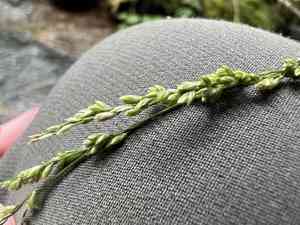
Melic mannagrass, a perennial grass species, flourishes in damp conditions and exhibits long, curving leaves. It is advisable to perform trimming in early spring or during winter, prior to the emergence of new shoots. Removing withered or excessively grown foliage encourages more robust, thicker development and deters ailments. Undertaking pruning during these particular periods corresponds with the plant's inactive stage, thereby boosting its recuperation and vitality. Consistent upkeep not only ensures melic mannagrass appears neat but also fosters its vigorous expansion in appropriate settings.
What Are the Benefits of Pruning Melic Mannagrass?
What Are the Benefits of Pruning Melic Mannagrass?
Trimming melic mannagrass promotes robust development and helps preserve its form, leading to a healthier, more visually appealing grass. This action can prevent excessive growth and encourage denser foliage.
What Is the Best Time for Pruning Melic Mannagrass?
What Is the Best Time for Pruning Melic Mannagrass?
Trimming melic mannagrass in early spring is optimal, as this timing allows gardeners to remove any dead or damaged foliage from winter before the growing season begins. This ensures the plant can direct its energy towards producing new, healthy growth. Winter pruning is advantageous because the plant is dormant, reducing stress on melic mannagrass and minimizing the chance of disease infection. Additionally, without leaves, it's easier to observe the plant's structure and make more precise cuts.
What Tools Do I Need to Prune Melic Mannagrass?
Hand Pruners or Secateurs
Perfect for trimming smaller, thinner stems of melic mannagrass. These tools enable precise cuts, which help maintain the plant's health by minimizing harm to delicate stems.
Grass Shears
Effective for shaping and cutting back clumps of melic mannagrass without harming the plant. Grass shears are designed to cut at the plant's base, promoting healthy regrowth and maintaining an even appearance.
Long-Handled Loppers
Suitable for reaching into denser clumps of melic mannagrass where using hand pruners might be impractical. These tools are designed to handle thicker stems, providing the leverage needed to make clean cuts.
How to Prune Melic Mannagrass
Identify
Identify and assess melic mannagrass's diseased or withered leaves before starting the pruning process. Look for leaves that are discolored, have spots, or appear dry and crumpled.
Prepare
Prepare the appropriate tools for pruning melic mannagrass. Use clean, sharp scissors or pruning shears to ensure a clean cut and avoid damaging the surrounding healthy tissue.
Remove diseased
Carefully remove the diseased leaves from melic mannagrass by cutting at the base of the leaf stem, close to the main plant structure. Ensure to only remove leaves that show clear signs of disease to prevent spreading any infection.
Remove withered
Prune away all withered leaves from melic mannagrass that do not contribute to its growth or aesthetics. Similar to diseased leaves, cut these at the base of the leaf stem to promote better air circulation and light exposure to the remaining healthy parts.
Dispose
Properly dispose of all removed leaves. Do not compost diseased or withered leaves as they might harbor pathogens or pests. Sealing them in a bag and disposing of them with household waste is recommended.
Common Pruning Mistakes with Melic Mannagrass
Over pruning
Removing too much foliage from melic mannagrass, which can stress the plant and reduce its vigor. A common error is cutting back more than one-third of the plant at once.
Improper tool use
Using dull or dirty pruning tools, which can damage the stems of melic mannagrass and introduce diseases. Always use sharp, clean shears.
Neglecting form
Failing to maintain the natural shape of melic mannagrass. It's essential to follow the natural lines and symmetry of the plant when pruning.
Random cutting
Making cuts in random places can lead to uneven growth and a lack of aesthetic appeal. It's important to prune strategically.
Common Pruning Tips for Melic Mannagrass
Sharp tools
Use sharp, clean pruning shears to make clean cuts. This helps prevent damage to the plant tissues and reduces the risk of disease.
Follow natural shape
Maintain the natural form of melic mannagrass by tracing the general outline and symmetry as you prune. This enhances the plant's natural beauty and promotes healthy growth.
Strategic removal
Focus on removing dead, diseased, or overcrowded stems to improve air circulation and light penetration, essential for the health of melic mannagrass.
Gradual pruning
If significant pruning is needed, do it gradually over a few seasons to prevent overstressing melic mannagrass. This approach allows the plant to recover and regrow healthier.



