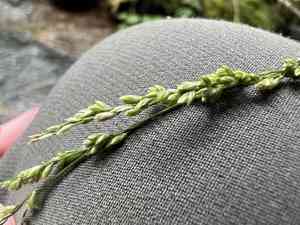
Melic mannagrass (Glyceria melicaria)
Also known as: River manna grass
Melic mannagrass, a perennial grass, thrives in wetland and moist meadow environments, characterized by its open, airy flower clusters and glossy, wavy-edged leaves that can grow up to 20 cm long. The grass's floating leaf blades and affinity for standing water highlight its adaptation to marshy areas, where it serves as a crucial resource for local fauna. Its drooping seed heads sway gently in the wind, adding aesthetic appeal while contributing to the ecosystem's health.
In This Article
Attributes of Melic mannagrass
Lifespan
Perennial
Plant Type
Grass
Plant Height
40 to 100 cm
Spread
N/A
Leaf Color
Green
Flower Size
Small, part of flower panicles
Flower Color
Greenish to purple hues
Images of Melic mannagrass
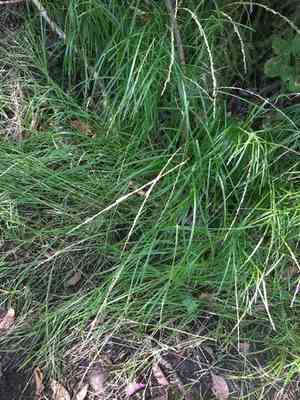
Quickly Identify Melic mannagrass
1
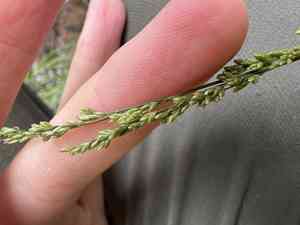
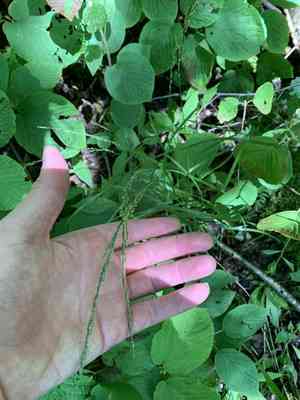
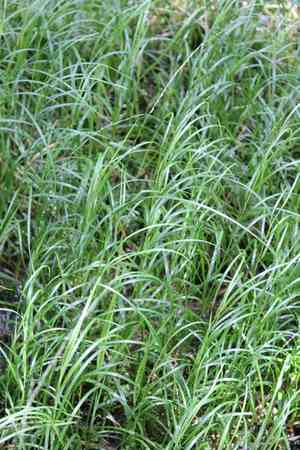
Glyceria melicaria can be identified by its grass-like leaves which are slender and arching. The plant produces open, airy flower panicles that emerge in the summer. The stems are typically erect and can grow quite tall. The leaf blades are often broad with a prominent midrib.
Scientific Classification of Melic mannagrass
Phylum
Vascular plants
Class
Monocotyledons
Order
Poales
Family
Grass
Genus
Mannagrasses
Species
Melic mannagrass
Planting and Growing of Melic mannagrass
Care Difficulty
Easy
Watering Schedule
Every 2 days
Sunlight Requirements
Partial sun
Sunshine Duration
6-12 hours
Ideal Temperature
60-75℉
Soil Type
Potting Mix, Peat Mix
Soil pH
5.5-7.5
Fertilizer Type
Balanced
Pruning Season
Spring, Summer
Pruning Area
Branches, Leaves
Pruning Frequency
2 times a year
Repotting Season
Spring
Pot Type
Plastic, Ceramic
 How to Water Melic mannagrass?
When watering Glyceria melicaria, aim for about 250 ml per session to thoroughly moisten the soil to a depth of about one inch. Avoid letting the water sit on the surface; it should seep down to the roots to mimic its natural wetland environment.
What are the symptoms of an underwatered Melic mannagrass?
›
What should I do if my Melic mannagrass is not getting enough water?
›
What are the symptoms of an overwatered Melic mannagrass?
›
How to save an overwatered Melic mannagrass?
›
 What Are the Sunlight Requirements for Melic mannagrass?
Glyceria melicaria ideally grows in partial shade to full shade areas. The optimum light supports lush green foliage, maintains soil moisture, and prevents heat stress. Balanced light exposure ensures vigorous root and shoot development.
Where should I place Glyceria melicaria?
›
What kind of sunlight is ideal?
›
How can I adjust lighting in its location?
›
 What Is the Ideal Temperature Range for Melic mannagrass?
Glyceria melicaria thrives best in moderate climates, with temperatures ranging from 60°F to 75°F. This range provides optimal growing conditions by ensuring that the plant's metabolic processes occur efficiently. It minimizes stress and helps prevent diseases that could occur under suboptimal temperature conditions.
 What Soil is Best for Melic mannagrass?
Glyceria melicaria thrives in soils that have good drainage capabilities. This prevents waterlogging, which can harm the roots and reduce oxygen availability, benefiting the plant's health and robustness. For optimal growth, the plant requires nutrient-rich soil. This provides essential minerals and compounds that support its lush growth and vigorous foliage, enhancing both its aesthetic and ecological value. This plant prefers soils that retain moisture well, as it ensures a consistent water supply during dry periods. Such conditions support continuous growth and development, maintaining plant vitality.
 How to Fertilize Melic mannagrass?
When fertilizing Glyceria melicaria, it's important to follow a balanced approach. Generally, using a low concentration, balanced liquid fertilizer at half the recommended strength is advisable. This helps in preventing nutrient overdose while ensuring the plant receives adequate nourishment.
 How to Prune Melic mannagrass?
Before you start, ensure you have the right tools: a pair of sharp gardening shears and gloves to protect your hands. Assess the plant's shape and decide how much to trim for a balanced look. Begin by targeting dead or yellowing foliage. Trim these areas back to the nearest healthy point. For shaping, cut about one-third of the plant's height, ensuring you don't remove more than this to avoid stress.
More About Pruning Techniques→
 How to Propagate Melic mannagrass plant?
1
Harvest seeds from mature Glyceria melicaria plants when they are fully ripe. Allow them to dry in a shaded and well-ventilated area before storing them in a cool, dark place until sowing.
2
During spring, carefully dig up the plants. Use a spade or a sharp knife to divide the root ball into smaller sections. Each section should contain shoots or eyes to ensure successful regeneration.
3
Fill seed trays with a mix of peat and sand for optimal drainage. Wet the soil slightly before sowing the seeds evenly across the surface. Lightly press the seeds into the soil and cover with a thin layer of the mix.
 How to Repot Melic mannagrass plant?
1
Glyceria melicaria typically signals the need for repotting when its roots start to outgrow the current pot or crowd the drainage holes. The best time to repot is when you notice stunted growth or a decline in health despite good care. Ideally, look to perform this task during its active growth phase in spring or summer, ensuring the plant has the best conditions to recover and thrive.
2
When selecting a pot for Glyceria melicaria, opt for a slightly larger container than its current one to allow for root expansion. Ensure it has ample drainage holes, as proper drainage will prevent root rot and let the plant establish itself comfortably. A ceramic pot can provide stability due to its weight, while terracotta pots offer porosity that helps the roots breathe.
3
The ideal soil for Glyceria melicaria is one that combines moisture retention with good drainage. A mix containing loamy soil, peat, and some sand or perlite works best. This blend ensures the plant's roots have access to necessary moisture while preventing waterlogging and encouraging healthy growth. Proper soil also contributes to nutrient access, supporting overall plant vitality.



