How to Transplant Reed mannagrass?
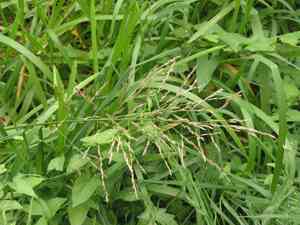
The most suitable period for relocating reed mannagrass is mid-spring, providing moderate temperatures conducive to root development. It thrives best in damp ground conditions. Just guarantee sufficient room, as reed mannagrass tends to expand its growth.
What Preparations are Needed Before Transplanting Reed Mannagrass?
What is the Ideal Time for Transplanting Reed Mannagrass?
The optimal period for relocating reed mannagrass is typically mid-spring. During this active growth phase, reed mannagrass roots establish more firmly, ensuring a successful move. By selecting this season, you leverage the mild temperatures and increased rainfall, which create an ideal environment for root development. Transplanting at this time utilizes the natural growth cycle of reed mannagrass, making the process more effective and ensuring the plant flourishes in its new spot.
How Much Space Should You Leave Between Reed Mannagrass Plants?
When moving reed mannagrass, space them appropriately to allow ample room for development and air circulation. A good guideline is to position them 1-2 feet (0.3-0.6 meters) apart.
What is the Best Soil Mix for Reed Mannagrass Transplanting?
Prepare your garden area for reed mannagrass by creating a rich, well-draining soil. Incorporate compost or aged manure; this will serve as a foundational fertilizer to supply nutrients for vigorous growth.
Where Should You Relocate Your Reed Mannagrass?
Select a site for reed mannagrass that provides partial to full sun exposure. A location receiving approximately 6 hours of sunlight would be excellent. Remember, a brightly lit spot encourages plant vitality!
What Equipments Should You Prepare Before Transplantation Reed Mannagrass?
Gardening Gloves
To safeguard your hands while handling the soil and the reed mannagrass plant.
Spade or Trowel
Crucial for excavating the plant while minimizing harm to the root ball.
Pruning Shears
Helps to neaten the plant's foliage or branches both before and after relocation.
Watering Can
For hydrating the reed mannagrass plant prior to and following the transfer.
Garden Fork
Allows you to loosen the soil at the new site without severing roots.
Wheelbarrow or Cart
Useful for transporting the plant, especially for larger specimens.
How Do You Remove Reed Mannagrass from the Soil?
How Do You Remove Reed Mannagrass from the Soil?
From Ground: Begin by watering the reed mannagrass plant to moisten the soil, facilitating easier extraction. Mark a circle around the plant, leaving sufficient space to encompass the entire root system. Use a garden fork or spade to dig around this circle, carefully working it beneath the root ball. Gently leverage the tool to lift the plant out.From Pot: Lightly water the plant to dampen the soil. Tilt the pot carefully to its side and pull the plant out, holding it at the base as close to the soil as possible. Avoid pulling by the stems.From Seedling Tray: Ensure the reed mannagrass seedlings are well-hydrated before transplanting. Use a dibber or similar tool to gently pry the seedlings out, including as much root as possible.
Step-by-Step Guide for Transplanting Reed Mannagrass
Preparation
Get the new site ready. Loosen the soil with a garden fork, and dig a hole that is deep and wide enough to comfortably accommodate the reed mannagrass plant's root ball.
Transplant
Carefully place the reed mannagrass plant in the hole, adjusting it to ensure it will grow upright. Refer to the original planting depth – for this plant, the base should be level with the soil surface.
Backfill
Refill the hole with soil, gently firming it around the roots. Avoid over-compacting as this can impede root growth.
Watering
Gradually water the plant. Ensure the soil is moist but not saturated.
Check
Monitor your transplanted reed mannagrass plant over the next few days, providing water and adjusting soil as necessary.
How Do You Care For Reed Mannagrass After Transplanting?
Mulching
After relocating your reed mannagrass, applying a layer of organic mulch around the plant's base can help retain moisture and suppress weeds, but be careful not to let the mulch touch the plant's stem, as this can promote rot.
Feeding
Nourish the reed mannagrass plant with a general-purpose plant food a few weeks after transplanting once it begins new growth; this will aid in quicker establishment.
Pruning
Trim any damaged or dead leaves to allow the reed mannagrass plant to focus its energy on new development.
Monitoring
Keep a close watch on your reed mannagrass for signs of stress or disease and address them promptly. Pale leaves, wilting, or slow growth can all indicate a plant that hasn't adapted well to its move. Remember, each plant is unique and may require time to adjust to its new surroundings.
Troubleshooting Common Issues with Reed Mannagrass Transplantation.
When is the best time to transplant reed mannagrass?
The optimal period to relocate reed mannagrass is in the 'S2' season. This ensures the plant has the best conditions for a smooth transition and growth.
What spacing is ideal for transplanting reed mannagrass?
An ideal distance between reed mannagrass is 1-2 feet (30-60 cm). This spacing encourages healthy growth and prevents overcrowding.
Do I need to water reed mannagrass immediately after transplanting?
Yes, it's essential to water reed mannagrass right after transplanting. This helps settle the soil, reduces air pockets, and aids them in initiating the recovery process faster.
What kind of soil does reed mannagrass prefer when transplanting?
Reed mannagrass thrives in well-drained, moist soil. Incorporating organic material like compost into the soil during transplantation can enrich it and enhance plant health.
Do I need to prune reed mannagrass before transplanting?
Yes, a light pruning of reed mannagrass before transplanting can be beneficial. This minimizes water loss from foliage while the roots are establishing in the new location.
How deep should I plant reed mannagrass when transplanting?
Plant reed mannagrass at the same depth it was growing previously. Planting too deep or too shallow may stress the plant and hinder its growth.
Can reed mannagrass be transplanted in pots?
Absolutely! Reed mannagrass can adapt to container life if provided with a sufficiently large pot and appropriate environmental conditions.
Should I fertilizer reed mannagrass after transplanting?
Yes, applying a slow-release fertilizer after the initial transplanting phase can help reed mannagrass establish in their new home and promotes healthy growth.
What should I do if reed mannagrass wilts after transplanting?
Don't worry! Some wilting post-transplant is normal. Ensure reed mannagrass is well-watered and allow it time to recover. If wilting persists, consider providing shade or pest control.
Can I transplant reed mannagrass during flowering?
It's best to avoid transplanting reed mannagrass during flowering. The process might stress the plant and impede flower production. Before or after flowering is more suitable.



