How to Propagate Reed mannagrass?
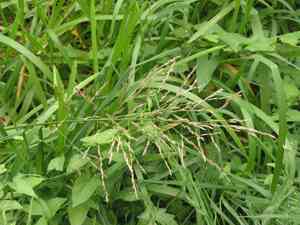
Reed mannagrass flourishes when multiplied via separation, a technique ideal for its vigorous growth pattern. For propagation, gently split the root ball during a period of active development. Verify that each segment possesses sufficient roots to sustain fresh growth. Place the separated portions in damp, rich earth, replicating reed mannagrass's inherent marshland environment. Consistent irrigation will aid in establishing the divisions, fostering their development into thriving, self-sufficient specimens.
Optimal Period for Reed Mannagrass Propagation
Propagation Method
Division
Propagation Season
Spring,Autumn
Tools Required for Reed Mannagrass Propagation
Garden Spade or Fork
These implements are vital for excavating reed mannagrass during the separation process. A spade or fork enables careful removal of the plant from the soil, minimizing harm to the root structure. Their sharp, sturdy blades assist in cutting through the soil and can be used to gently separate root clumps, ensuring a healthy division.
Pruning Shears
Pruning shears are utilized to trim any surplus or dead foliage and roots from reed mannagrass both before and after division. This trimming aids in maintaining the plant's health by eliminating potentially diseased or pest-ridden parts and encourages more focused development in the newly established plants.
Watering Can or Hose with a Gentle Spray Setting
Following division, reed mannagrass requires thorough watering to aid its establishment in its new location. A watering can or a hose with a gentle spray setting ensures that water is uniformly distributed over the soil and roots, providing necessary hydration without disturbing the soil or newly planted divisions.
Rooting Hormone (optional)
While not always essential, applying a rooting hormone to the freshly cut surfaces of reed mannagrass's roots can encourage faster root development and stronger initial growth. This is particularly advantageous if the divisions appear weak or less vigorous.
Garden Labels and Marker
Utilize these to identify divided plants, especially when propagating multiple varieties of grasses or other plants. Labeling assists in tracking the progress of reed mannagrass and any specific care or conditions each division might necessitate.
How to Propagate Reed Mannagrass?
Propagation Type
Easy
Caring for Your Newly Propagated Reed Mannagrass
Caring for Your Newly Propagated Reed Mannagrass
Post-propagation, keep the soil consistently moist but not waterlogged. Reed mannagrass thrives in damp conditions, so regular irrigation is crucial, especially during dry spells. Monitor for signs of pests or disease, though reed mannagrass is generally resilient against common garden pests. Fertilize annually in the spring with a balanced fertilizer to support robust growth. Mulching around the base can help retain moisture and suppress weeds.
Common Errors to Avoid When Propagating Reed Mannagrass
Overcrowding
Planting reed mannagrass too closely can result in insufficient air circulation and light penetration. This can lead to weaker plants and increased susceptibility to diseases.
Excessive water
While reed mannagrass flourishes in moist conditions, overly saturated soil can cause root rot and other fungal infections, weakening or killing the plant.
Incorrect division size
When propagating reed mannagrass by division, using sections that are too small can lead to poor root establishment, resulting in lower survival rates.
Neglecting acclimatization
Failing to acclimate reed mannagrass to its new environment after propagation can induce shock, stunting growth or causing dieback.
Tips For Propagating Reed Mannagrass
Spacing
Ensure adequate distance between plants to promote healthy development. This allows for optimal air circulation and access to sunlight, essential for robust growth.
Moisture control
Maintain consistently damp soil conditions, but avoid waterlogging. Utilizing well-draining soil mixtures can help manage moisture levels effectively.
Division technique
When propagating reed mannagrass through division, ensure each section possesses a healthy portion of the root system. Divisions should be substantial enough to sustain initial growth.
Gradual acclimatization
Gradually acclimate reed mannagrass to new growing conditions by progressively adjusting its exposure. This helps the plant adapt without significant stress.



