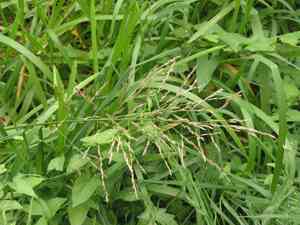
Reed mannagrass (Glyceria maxima)
Also known as: Great manna grass, Swamp grass
Common reed (*Phragmites australis*) is a perennial, aquatic grass native to Eurasia that thrives in wet areas like riverbanks and ponds. In some regions, it is regarded as invasive, especially in Australia, where it can form dense, impenetrable stands that displace native species.
In This Article
Attributes of Reed mannagrass
Lifespan
Perennial, Annual
Plant Type
Grass
Plant Height
60 cm to 90 cm
Spread
0.5 to 1 meter
Leaf Color
Green
Flower Size
2 mm to 3 mm
Flower Color
Green Purple Brown
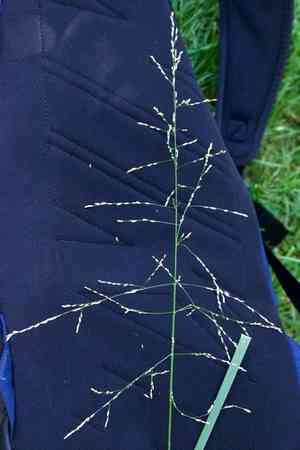
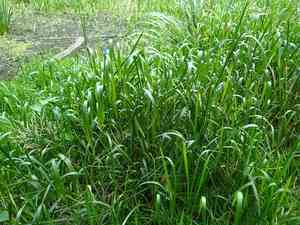
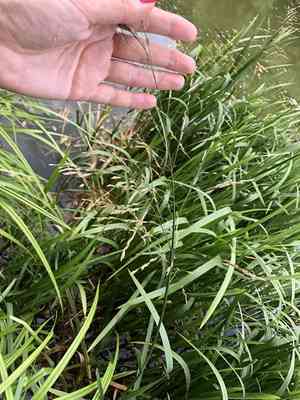
Images of Reed mannagrass
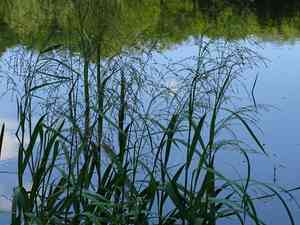
Quickly Identify Reed mannagrass
1
To identify Glyceria maxima, look for tall grass with broad, ribbon-like leaves. The plant can reach up to 2 meters in height and has a distinctive glossy sheen on its leaves. Its flower spikes are long and comprised of small, greenish flowers.
Scientific Classification of Reed mannagrass
Phylum
Vascular plants
Class
Monocotyledons
Order
Poales
Family
Grass
Genus
Mannagrasses
Species
Reed mannagrass
Planting and Growing of Reed mannagrass
Care Difficulty
Easy
Watering Schedule
Every 15 days
Sunlight Requirements
Partial sun
Sunshine Duration
6-10 hours
Ideal Temperature
60-75℉
Soil Type
Potting Mix, Peat Mix
Soil pH
6.5-7.5
Fertilizer Type
Balanced
Pruning Season
Spring, Summer
Pruning Area
Branches, Leaves
Pruning Frequency
2 times a year
Repotting Season
Spring
Pot Type
Terracotta, Plastic
 How to Water Reed mannagrass?
Glyceria maxima thrives in wet soils, so aim to give it around 1000 ml of water each time, ensuring the soil is thoroughly saturated but not waterlogged. This helps replicate the plant’s natural marshy habitat, supporting its lush growth.
What are the symptoms of an underwatered Reed mannagrass?
›
What should I do if my Reed mannagrass is not getting enough water?
›
What are the symptoms of an overwatered Reed mannagrass?
›
How to save an overwatered Reed mannagrass?
›
 What Are the Sunlight Requirements for Reed mannagrass?
Glyceria maxima's ideal light range is partial to full sun. This offers it enough energy for healthy growth, vibrant foliage, and resilience against stress factors, promoting overall well-being and longevity.
More About Sunlight Requirements Techniques→
What is the best type of light exposure for Glyceria maxima?
›
How can I ensure Glyceria maxima gets ideal light conditions?
›
What are the benefits of optimal light for Glyceria maxima?
›
 What Is the Ideal Temperature Range for Reed mannagrass?
What is the ideal temperature range for growing Glyceria maxima? Glyceria maxima thrives in moderate temperatures. A range between 60°F to 75°F is considered ideal. This temperature range promotes optimal growth and development of the plant, ensuring it remains healthy and vigorous. Exposure to temperatures within this range allows the plant to utilize energy efficiently for photosynthesis and cellular processes.
 What Soil is Best for Reed mannagrass?
Glyceria maxima thrives in environments where the soil can retain moisture without becoming waterlogged. This helps in maintaining the plant’s turgidity and ensures consistent growth throughout the growing season. A nutrient-dense substrate is essential for Glyceria maxima to support its rapid growth. Loam soils typically offer the right balance of nutrients essential for robust root and shoot development. While the plant requires moisture-retentive soils, it is equally important to ensure proper aeration. This allows the roots to breathe, preventing conditions that could encourage root rot.
 How to Fertilize Reed mannagrass?
Glyceria maxima, also known as reed mannagrass, thrives best with moderate fertilization. For liquid fertilizers, a solution with an NPK ratio of 10-10-10 is ideal. Apply approximately 100 ml per plant to avoid nutrient overload. This amount ensures optimal growth without harming the delicate root systems.
 How to Prune Reed mannagrass?
Start by identifying and targeting overgrown, diseased, or dead stems. This includes any stems that appear brown or wilted. Removing these can redirect energy to healthier parts of the plant. It's best to prune Glyceria maxima during moderate weather conditions to minimize plant stress. Avoid pruning during extremely hot or cold days when the plant is already under stress. When making cuts, do so at a 45-degree angle to allow water to run off easily and prevent water from standing on the cut area, which can lead to rot or disease.
More About Pruning Techniques→
 How to Propagate Reed mannagrass plant?
1
Before propagating Glyceria maxima, choose a site that offers adequate sunlight and has moist, fertile soil. This plant thrives in wet conditions, so ensuring that the area has consistent moisture will support healthy growth. Preparing the site also involves using the trowel to loosen the soil, which will enhance root development.
2
For seed propagation, scatter Glyceria maxima seeds evenly over the prepared soil surface and lightly press them into the soil to ensure good seed-to-soil contact. Water the seeds gently but thoroughly to maintain the soil moisture needed for germination. Monitor the area daily, ensuring that the seeds remain moist until they begin sprouting.
3
Find a mature Glyceria maxima plant that is ready for division, typically identified by a large clump with robust growth. Use pruning shears to separate a section or sections of the plant, ensuring that each section has ample roots attached. Replant the divided sections in prepared sites, watering them thoroughly afterward.
 How to Repot Reed mannagrass plant?
1
Glyceria maxima should be repotted when you notice the roots are bound or emerging from the drainage holes. Spring is the ideal time, as it allows the plant to establish itself before the growing season accelerates. Repotting during this time helps alleviate root congestion and ensures optimal growth.
2
Choose a pot that is about 2 inches larger in diameter than the current one to allow room for growth. Ensure it has adequate drainage holes to prevent water-logging, as this plant thrives in moist but not waterlogged conditions. A heavy ceramic pot can also help stabilize the tall grass in windy conditions.
3
Use a soil mix that retains moisture well yet drains efficiently, like a loamy mix enriched with organic matter. These characteristics ensure that the roots remain hydrated without submerging in water, which can cause rot. Such a mix provides essential nutrients that support healthy growth.



