How to Transplant Glechoma longituba?
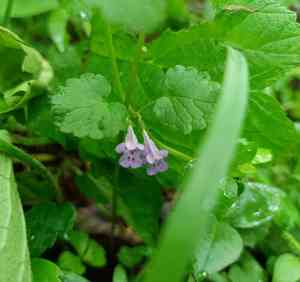
For glechoma longituba, the ideal period for transplanting extends from the initial growth of early spring through the close of late spring. Select a location featuring adequate drainage and dappled sunlight. Ensure that root disruption is minimized to facilitate a seamless acclimation.
What Preparations are Needed Before Transplanting Glechoma Longituba?
What is the Ideal Time for Transplanting Glechoma Longituba?
Relocate glechoma longituba once the frost has passed, as days lengthen. This period allows glechoma longituba to establish its root system prior to summer's heat. It's a gentle, supportive window for development, ensuring a strong beginning!
How Much Space Should You Leave Between Glechoma Longituba Plants?
When moving glechoma longituba, aim to position each plant approximately 12-15 inches (30-38 cm) apart. This will provide ample room for your plants to thrive and expand.
What is the Best Soil Mix for Glechoma Longituba Transplanting?
For glechoma longituba, utilize well-draining soil abundant in organic material. Prepare the site with a balanced base fertilizer, such as a 10-10-10 blend, to give the plants an excellent start.
Where Should You Relocate Your Glechoma Longituba?
Select a spot that offers partial shade for your glechoma longituba, as they perform well with some sunlight but also require protection from intense midday rays.
What Equipments Should You Prepare Before Transplantation Glechoma Longituba?
Gardening Gloves
To safeguard your hands while handling soil and plants.
Shovel or Spade
For excavating the plant and preparing the new planting site.
Garden Trowel
Useful for smaller digging tasks and refining the planting hole.
Watering Can or Hose
To hydrate the plant before and after its removal from its original spot.
Pruning Shears
For trimming any damaged roots or foliage.
Wheelbarrow or Garden Cart
For moving the glechoma longituba if the plant is large.
Measuring Tape
To ensure correct spacing during the relocation process.
Organic Mulch
To aid in moisture retention and temperature regulation around the new location.
How Do You Remove Glechoma Longituba from the Soil?
How Do You Remove Glechoma Longituba from the Soil?
From Ground: First, moisten the glechoma longituba to soften the soil, making it easier to manage. Using a shovel or spade, dig a generous trench around the plant, taking care not to harm the root ball. Gently loosen the earth beneath and around the root system, then carefully lift the plant from the ground, ensuring as much of the root ball as possible remains intact.From Pot: Begin by watering the plant to lessen stress. Turn the pot sideways and gently tap its sides to loosen the soil and the plant's roots. Holding the plant at its base, carefully ease the glechoma longituba out of the pot, being sure to support the root ball.From Seedling Tray: Water the glechoma longituba beforehand. Using a spoon or a garden trowel, gently lift the seedling from the tray, making sure to keep the soil around its roots to minimize root disturbance.
Step-by-Step Guide for Transplanting Glechoma Longituba
Plant Removal
As planned, carefully extract your glechoma longituba from its current spot or container without harming the root structure.
Hole Preparation
Excavate a hole in the new garden location that is twice the width and the same depth as the root ball. Loosen the soil at the bottom of the hole to encourage root development.
Plant Positioning
Place the glechoma longituba in the center of the hole. The top of the root ball should be level with or slightly above the surrounding soil to allow for settling.
Refill Hole
Backfill the hole with soil, gently pressing around the root ball to eliminate air pockets without compacting the soil too tightly, which can impede root growth.
Watering
Immediately after planting, thoroughly water the glechoma longituba to settle the soil around the roots and to help alleviate transplant shock.
Mulching
Apply a layer of organic mulch around the base of the glechoma longituba, ensuring it is kept away from the stem to prevent rot.
How Do You Care For Glechoma Longituba After Transplanting?
Watering Schedule
Establish a consistent watering routine, ensuring the glechoma longituba receives adequate moisture, especially during its initial growing season post-transplant.
Monitoring Growth
Observe for indications of new growth or stress, and adjust the care regimen as needed.
Pruning
Trim away any dead or damaged foliage to promote healthy growth and maintain an appealing form.
Weeding
Keep the area around the glechoma longituba free of weeds that can compete for nutrients and water.
Support Structures
If the glechoma longituba is a climber or requires support, install stakes or supports early to prevent root damage later on.
Pest and Disease Checks
Regularly inspect the glechoma longituba for signs of pests or diseases, and treat promptly to prevent further harm.
Troubleshooting Common Issues with Glechoma Longituba Transplantation.
When is the best time to transplant glechoma longituba?
The optimal period for relocating glechoma longituba is from early to late spring, ensuring a gentle start for its roots.
How far apart should I space glechoma longituba when transplanting?
Aim for a spacing of 12-15 inches (30-38 cm) to provide glechoma longituba with sufficient room to thrive.
What should I do if glechoma longituba wilts after transplanting?
Provide shade and water gently. Wilting can indicate shock; it usually recovers with consistent care.
How deep should the holes be when transplanting glechoma longituba?
Excavate holes as deep as the root ball and twice as wide to encourage easy root expansion.
Why are the leaves of my transplanted glechoma longituba yellowing?
Yellowing may suggest overwatering or inadequate drainage. Check soil moisture and adjust irrigation accordingly.
Should I fertilize glechoma longituba immediately after transplanting?
Wait a few weeks before applying fertilizer to prevent root burn and allow glechoma longituba to settle without shock.
What kind of soil is best for transplanting glechoma longituba?
Utilize well-draining soil rich in organic matter to provide a strong foundation for glechoma longituba.
Can glechoma longituba be transplanted in the sun or should it be shady?
Relocate glechoma longituba to an area with partial shade to full sun; gradually acclimatize if moving to a brighter spot.
My transplanted glechoma longituba is not growing, what could be wrong?
Ensure soil pH and nutrients are sufficient. If correct, allow glechoma longituba time to overcome transplant shock.
How much should I water glechoma longituba after transplanting?
Water glechoma longituba thoroughly after transplanting to settle the soil. Afterward, follow with moderate, regular watering as needed.



