How to Prune Glechoma longituba?
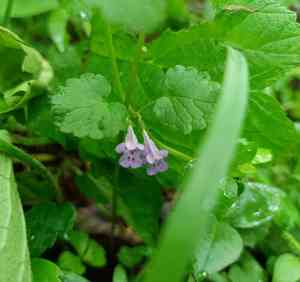
Glechoma longituba, being robust and spreading, thrives with consistent pruning to manage its expansion and enhance its vigor. Perform a light trim in the spring to eliminate spent leaves and foster fresh growth. During the summer, undertake a more substantial cutback to curb its spread and preserve its intended form. Strategic pruning averts excessive development and encourages more robust, easier-to-handle specimens. Crucial for garden balance, this practice also prevents the plant from casting too much shade on nearby vegetation.
What Are the Benefits of Pruning Glechoma Longituba?
What Are the Benefits of Pruning Glechoma Longituba?
Trimming glechoma longituba promotes robust development and preserves the plant's form. By routinely removing overgrown or dead parts, glechoma longituba can direct its energy towards producing lush, healthy foliage and potentially more blooms, resulting in a more attractive specimen.
What Is the Best Time for Pruning Glechoma Longituba?
What Is the Best Time for Pruning Glechoma Longituba?
Trimming glechoma longituba during Spring and Early Summer coincides with the period immediately after the plant has exited dormancy and is entering an active growth phase. This timing allows gardeners to shape the plant and manage its size before it expends energy on foliage growth, which can benefit the plant's overall health. Pruning before the onset of intense summer heat helps prevent stress to the plant. Additionally, early season pruning avoids cutting off emerging buds that could develop into flowers or fruits, thereby not impacting the blooming or fruiting potential of glechoma longituba. It is essential to avoid pruning too late in the season, as this can leave new growth vulnerable to early frost and reduce the plant's vigor.
What Tools Do I Need to Prune Glechoma Longituba?
Bypass Hand Pruners
Perfect for making clean cuts through the soft stems of glechoma longituba without crushing the plant material. This is vital for encouraging healthy regrowth.
Pruning Snips
These are suitable for detailed work on glechoma longituba when deadheading or shaping the plant due to their smaller blades and ease of use in confined spaces.
Garden Scissors
Useful for trimming and shaping the foliage of glechoma longituba, especially when dealing with delicate stems or leaves that require gentle handling.
How to Prune Glechoma Longituba
Identify diseased and withered parts
Carefully inspect glechoma longituba to locate diseased or withered leaves and stems. Look for any signs of discoloration, spots, or rot indicating illness, as well as any leaves that have lost their color or feel dry.
Sanitize tools
Before beginning to prune glechoma longituba, disinfect your pruning tools with alcohol or a bleach solution to prevent the spread of disease between plants.
Prune diseased parts
Using sanitized shears, carefully remove all diseased leaves and stems from glechoma longituba. Make cuts just above a healthy leaf node or main stem to encourage proper healing and regrowth.
Prune withered leaves
Similarly, trim away all withered leaves to stimulate glechoma longituba's growth and improve air circulation around the remaining healthy foliage.
Dispose of clippings
Discard all removed diseased and withered plant parts to prevent any diseases from spreading within your garden. Do not compost these materials as they can contaminate your compost pile.
Common Pruning Mistakes with Glechoma Longituba
Overpruning
Removing too much foliage from glechoma longituba can severely weaken the plant. It's crucial to prune no more than one-third of the growth to maintain plant health.
Improper cut locations
Cutting glechoma longituba in the wrong location can lead to unnecessary plant stress and disease. Cuts should be made just above leaf nodes where new growth can occur.
Using dull tools
Pruning with dull or dirty tools can harm glechoma longituba's delicate stems, leading to jagged cuts that are more susceptible to pest invasion and disease.
Neglecting to prune
While overpruning is harmful, neglecting to prune glechoma longituba can result in poor air circulation and light penetration, leading to reduced flowering and a leggy appearance.
Unnecessary hard pruning
Hard pruning is generally not necessary for glechoma longituba and can shock the plant. It is important to prune consistently and moderately.
Common Pruning Tips for Glechoma Longituba
Clean cutting tools
Use sharp, clean tools to make precise cuts on glechoma longituba, which help prevent disease transmission and promote quicker healing.
Correct cut angle
Cutting at a 45-degree angle just above a growth node encourages proper water runoff and healthy new growth on glechoma longituba.
Observant pruning
Regularly inspect glechoma longituba for dead, diseased, or overcrowded stems and prune these to maintain plant health and aesthetic shape.
Promote bushiness
Pinching off the tips of glechoma longituba's stems can promote bushier growth, especially when the plant is young or after flowering to revitalize the plant.
Post bloom trim
Pruning glechoma longituba after it finishes blooming can stimulate the plant to focus its energy on root and foliage development instead of seed production.



