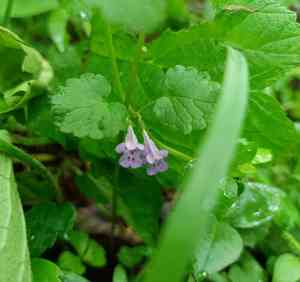
Glechoma longituba (Glechoma longituba)
Also known as: Ground Ivy, Creeping Charlie
Houttuynia cordata is an evergreen perennial vine that thrives across eastern Asia, from tropical to temperate regions, provided it receives sufficient humidity. It features distinctive heart-shaped, scalloped leaves and small purple flowers that bloom along the leaf bases. This plant holds cultural significance in several East Asian traditions.
In This Article
Attributes of Glechoma longituba
Lifespan
Perennial
Plant Type
Herb
Plant Height
20 cm to 40 cm
Spread
30-90 cm
Leaf Color
Green Blue
Flower Size
1-2 cm
Flower Color
White Purple
Images of Glechoma longituba
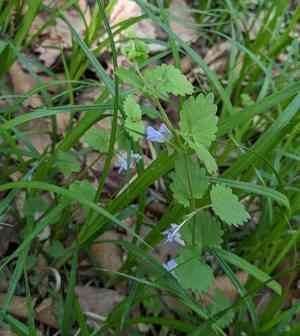
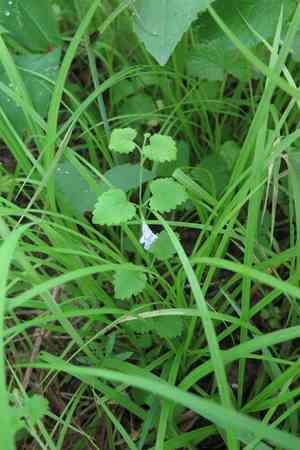
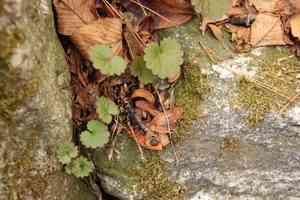
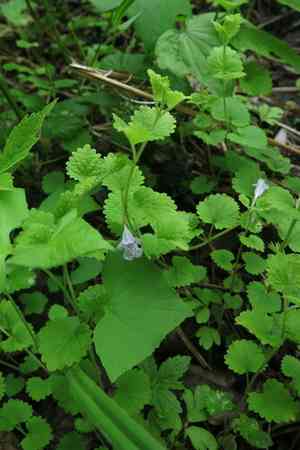
Quickly Identify Glechoma longituba
1
Look for round, scalloped leaves that are aromatic when crushed. The plant spreads through stolons. It has square stems, typical of the mint family, and small blue or purple tubular flowers.
Scientific Classification of Glechoma longituba
Phylum
Vascular plants
Class
Dicotyledons
Order
Mints plantains olives and allies
Family
Mint
Genus
Glechoma
Species
Glechoma longituba
Planting and Growing of Glechoma longituba
Care Difficulty
Easy
Watering Schedule
Every 4 days
Sunlight Requirements
Partial sun
Sunshine Duration
4-8 hours
Ideal Temperature
60-77℉
Soil Type
Potting Mix, Peat Mix
Soil pH
6.5-7.5
Fertilizer Type
Balanced
Pruning Season
Spring, Summer
Pruning Area
Branches, Leaves
Pruning Frequency
2 times a year
Repotting Season
Spring
Pot Type
Plastic, Ceramic
 How to Water Glechoma longituba?
When watering Glechoma longituba, aim to thoroughly moisten the soil without causing waterlogging. A good guideline is to provide about 200 milliliters per watering, ensuring that the soil absorbs the moisture evenly. Always feel the soil; it should be moist but not soggy or dry.
What are the symptoms of an underwatered Glechoma longituba?
›
What should I do if my Glechoma longituba is not getting enough water?
›
What are the symptoms of an overwatered Glechoma longituba?
›
How to save an overwatered Glechoma longituba?
›
 What Are the Sunlight Requirements for Glechoma longituba?
Glechoma longituba prefers partial sun to full shade. These light conditions allow the plant to perform photosynthesis while avoiding damage from overexposure.
Preferred Exposure
›
Light Intensity
›
Light Duration
›
 What Is the Ideal Temperature Range for Glechoma longituba?
Glechoma longituba thrives best in temperature ranges from 60°F to 77°F. This range mirrors the mild climates of its natural habitat, providing optimal conditions for cellular function and enzymatic processes, which are crucial for the plant's growth and development.
 What Soil is Best for Glechoma longituba?
Glechoma longituba flourishes in soil that offers excellent drainage. Proper drainage prevents waterlogging, which can lead to root rot. Well-drained soil allows roots to breathe, fostering healthy plant growth. This plant thrives in soils rich in organic matter. The addition of compost or well-rotted manure can enhance the soil's nutrient content, promoting vigorous growth and lush foliage. Glechoma longituba prefers soils that retain moderate moisture while still being well-drained. This balance ensures the roots have consistent access to water without becoming waterlogged, aiding in steady growth.
 How to Fertilize Glechoma longituba?
When fertilizing Glechoma longituba, it is essential to apply an appropriate amount to prevent overfeeding or underfeeding. For liquid fertilizers, a diluted solution (around 1/4 of the standard concentration) works best. For slow-release granular fertilizers, apply 2-3 tablespoons per plant, ensuring that it's distributed evenly in the soil.
 How to Prune Glechoma longituba?
Glechoma longituba tends to grow long and leggy if not properly maintained. To manage its shape, trim back long stems by about one-third. This not only prevents the plant from becoming unruly but also encourages bushier, more compact growth and increases its visual appeal. If your Glechoma longituba has flowered, make sure to remove the spent blooms. Deadheading not only tidies up the plant's appearance but also diverts energy back into growing healthier foliage and potentially extending the blooming period.
More About Pruning Techniques→
 How to Propagate Glechoma longituba plant?
1
The first step is to prepare a well-draining soil mix. Combining peat moss, perlite, and a bit of sand can help ensure the soil remains loose and aerated, promoting healthy root development for cuttings and seedlings.
2
Select a healthy branch and use sterilized pruning shears to cut a 4-6 inch section from the plant. Ensure the cut is made just below a node, and remove the leaves from the lower half to reduce moisture loss.
3
Once the cuttings are ready, plant them in moist soil or seed trays. Water them lightly to ensure the soil remains damp but not waterlogged, which can lead to root rot.
 How to Repot Glechoma longituba plant?
1
Glechoma longituba generally needs repotting when you notice roots emerging from the drainage holes or when the growth becomes significantly slower. These are clear signs that the plant is root-bound and needs a fresh potting environment to thrive. Repotting in spring or autumn allows the plant to recover quickly and continue growing vigorously.
2
Select a pot that is slightly larger than the current one, with ample drainage holes. This allows the roots more space to grow while preventing waterlogging. The pot should ideally be made of a breathable material such as terracotta, which facilitates better oxygen exchange for the roots and reduces the risk of root rot.
3
Choose a well-draining potting mix that retains moisture while allowing excess water to escape easily. A mix of peat, perlite, and standard potting soil works well. This type of soil ensures that the plant's roots are not sitting in soggy conditions, thus promoting healthy growth and vibrant foliage.
Learn More About Glechoma longituba Diseases
Anthracnose
Bacterial Leaf Spot
Bacterial Soft Rot
Chemical Injury
Damping-off
Downy Mildew
Drought Stress
Fusarium Wilt
Gray Mold
Leaf Spot
Mosaic
Nutrient Deficiency
Nutrient Toxicity
Powdery Mildew
Root Rot
Root-knot Nematode
Rusts
Sooty Mold
Spider Mites
Temperature Stress
Thrips Damage
White Mold



