How to Transplant Butterfly sword lily?
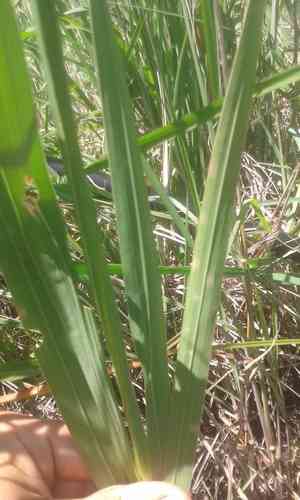
Relocate butterfly sword lily during mid-spring, as sufficient warmth aids in root development. Select a location bathed in sunlight with soil that drains effectively. Careful manipulation of the fragile corms improves the likelihood of successful re-establishment.
What Preparations are Needed Before Transplanting Butterfly Sword Lily?
What is the Ideal Time for Transplanting Butterfly Sword Lily?
The perfect time for moving butterfly sword lily is during the peak of spring. This period allows butterfly sword lily to establish its root system before the summer heat arrives. Relocating butterfly sword lily in mid-spring provides the advantage of ideal soil temperature and moisture, crucial for root growth. This guarantees strong and healthy development. Shifting butterfly sword lily at this time utilizes the season's mild weather, promoting a smooth transition and reducing plant stress.
How Much Space Should You Leave Between Butterfly Sword Lily Plants?
When getting ready to transplant your butterfly sword lily, provide ample room for growth by spacing them approximately 5-6 inches (12-15 cm) apart. This enables their roots to spread and access necessary nutrients without overcrowding.
What is the Best Soil Mix for Butterfly Sword Lily Transplanting?
For your butterfly sword lily, combine well-draining soil with some compost or a balanced slow-release fertilizer to ensure a nutrient-rich beginning. An optimal blend of loam and sand with a pH of around 6 to 7 is ideal, encouraging vigorous growth.
Where Should You Relocate Your Butterfly Sword Lily?
Select a location where your butterfly sword lily will receive direct sunlight for at least 6-8 hours daily. A bright spot is essential for vibrant blooms, so avoid heavily shaded areas to guarantee a healthy, thriving plant.
What Equipments Should You Prepare Before Transplantation Butterfly Sword Lily?
Gardening Gloves
To safeguard your hands while handling soil and plants.
Gardening Shovel or Spade
For excavating the plant and its new planting site.
Garden Fork
To loosen the soil surrounding the plant in its original spot.
Watering Can or Hose
For hydrating the plant before and after the transplanting process.
Wheelbarrow or Garden Cart
To move the plant and soil.
Plant Supports or Stakes
To stabilize butterfly sword lily after transplant, if required.
How Do You Remove Butterfly Sword Lily from the Soil?
How Do You Remove Butterfly Sword Lily from the Soil?
From Ground: Hydrate butterfly sword lily to moisten the surrounding soil. Use a garden fork to loosen the earth, then dig a wide circular trench with a spade, ensuring the root ball remains intact. Slide the spade underneath and carefully lift the plant.From Pot: Start by watering butterfly sword lily to facilitate the root ball's removal. Tilt the pot sideways and gently tap or squeeze to dislodge the plant. Pull the plant out by its base, not the stems, to prevent damage.From Seedling Tray: Water butterfly sword lily, then use a planting tool or small spade to carefully lift each individual plant from the tray, taking care to preserve the delicate root system.
Step-by-Step Guide for Transplanting Butterfly Sword Lily
Preparation
Water butterfly sword lily thoroughly before beginning the transplant so the soil adheres to the roots.
Digging Out
Use the shovel or spade to dig around the butterfly sword lily, then place it onto a wheelbarrow or garden cart with minimal soil disruption.
Digging In
Excavate a hole in the new location that is as deep and twice as wide as the root ball of the butterfly sword lily.
Planting
Carefully position butterfly sword lily into the hole, setting it at the same depth as it was originally. Backfill the hole with soil and gently press around the plant to eliminate air pockets.
Stabilizing
If necessary, insert plant supports or stakes firmly into the ground and secure butterfly sword lily to prevent wind damage.
Watering In
Water the butterfly sword lily thoroughly after planting to settle the soil and ensure good contact between the roots and soil.
How Do You Care For Butterfly Sword Lily After Transplanting?
Mulching
Apply a 2-3 inch layer of organic mulch around butterfly sword lily to help retain soil moisture and regulate soil temperature.
Watering
Provide gentle watering regularly to maintain consistent moisture levels for butterfly sword lily, especially during hot or dry periods.
Weeding
Keep the area around butterfly sword lily free of weeds to reduce competition for nutrients and water.
Observation
Monitor butterfly sword lily for signs of transplant stress, such as wilting or discolored foliage, and take action as needed.
Troubleshooting Common Issues with Butterfly Sword Lily Transplantation.
When is the best time to transplant butterfly sword lily?
Transplant butterfly sword lily during mid to late spring, after the last frost for optimal growth.
How far apart should I space my butterfly sword lily when planting?
Space your butterfly sword lily approximately 5-6 inches (12-15 cm) apart to ensure adequate room for growth.
How deep should I plant butterfly sword lily corms?
Plant butterfly sword lily corms at a depth of 4 inches (10 cm) to encourage proper root development.
What soil conditions are ideal for transplanting butterfly sword lily?
Use well-draining soil rich in organic matter to promote healthy butterfly sword lily establishment.
Can I transplant butterfly sword lily in full sun?
Absolutely! Butterfly sword lily thrives in a spot that receives full sun for most of the day.
How much water does butterfly sword lily need after transplanting?
Water butterfly sword lily generously after transplanting, then maintain moderate moisture as they establish.
What should I do if my butterfly sword lily's leaves turn yellow after transplanting?
Yellow leaves can indicate overwatering. Let butterfly sword lily soil dry slightly and reduce watering.
Why isn't my butterfly sword lily flowering after transplanting?
It may need more time to establish. Ensure proper sun exposure and nutrient-rich soil.
How can I protect my transplanted butterfly sword lily from pests?
Keep an eye out for pests and treat with appropriate insecticides or natural predators.
What's the indication that my butterfly sword lily is ready for transplant?
When butterfly sword lily's corms are firm and the foliage starts to yellow, they're ready for transplant.



