How to Prune Butterfly sword lily?
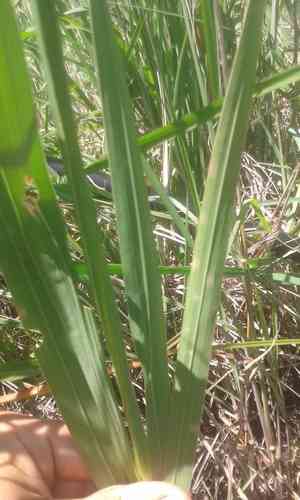
Distinguished by its vibrant blossoms and blade-like leaves, the butterfly sword lily thrives with post-flowering trimming to enhance strength and eliminate faded blooms. The correct method entails severing the flower stems near the soil level once blooming concludes, yet allowing the leaves to wither organically, supplying nutrients for the subsequent season's development. The ideal period for pruning spans from late summer through autumn. Meticulous elimination of compromised or ailing sections aids in preserving its well-being. Sterilized, keen implements are crucial for precise incisions and averting illness.
Advantages of Trimming Butterfly Sword Lily
Advantages of Trimming Butterfly Sword Lily
Trimming butterfly sword lily promotes more abundant flowering, directing the plant's energy towards producing blossoms. It also helps maintain butterfly sword lily's desired shape and size, ensuring a neat appearance. Regular trimming contributes to robust growth, supporting the plant's overall health and vigor.
Optimal Time for Trimming Butterfly Sword Lily
Optimal Time for Trimming Butterfly Sword Lily
Trimming butterfly sword lily in Spring is beneficial as the plant emerges from dormancy, allowing for the removal of any winter-damaged or dead foliage, ensuring strong growth. Early Summer trimming helps shape the plant and encourages a denser form by cutting back overly long stems before the blooming period. Trimming in Late Fall is ideal after butterfly sword lily has finished flowering; it allows gardeners to cut back the foliage and tidy up the plant. This timing prevents unnecessary energy use on maintaining foliage that will succumb to frost, and ensures the plant's resources are directed towards root and bulb development for the subsequent growing season.
Tools Required for Trimming Butterfly Sword Lily
Bypass Pruners
Perfect for making clean cuts on butterfly sword lily without crushing stems, bypass pruners are precise and cause minimal harm to plant tissues. They are well-suited for trimming flower stalks after blooms have faded.
Sharp Scissor
For deadheading or cutting back butterfly sword lily's foliage, a sharp pair of garden scissors can be used. They allow for accurate snips and are good for reaching into tight spaces without disturbing surrounding plant growth.
Garden Shears
When trimming a larger area or when butterfly sword lily needs to be cut back at the end of the growing season, garden shears can quickly accomplish the task. They offer a longer blade effective for cutting multiple stems simultaneously.
Gloves
While not a cutting tool, gloves are crucial for hand protection during the trimming process. They ensure a good grip on trimming tools and guard against potential irritants from butterfly sword lily.
How to Trim Butterfly Sword Lily
Identify diseased or damaged leaves
Examine butterfly sword lily for any indications of disease or damage. Look for discoloration, spots, or decay.
Clean and sharpen tools
Before starting, ensure trimming tools are clean and sharp to make precise cuts and prevent introducing disease.
Trim diseased leaves
Carefully remove any diseased leaves from butterfly sword lily by cutting them at their base, close to the main stalk, to prevent further infection.
Remove withered leaves and flowers
Trim off withered leaves and spent flower stems from butterfly sword lily to encourage healthy growth and improve air circulation.
Dispose of debris
Discard the removed plant material far from the garden to prevent any potential spread of disease and keep the area tidy.
Common Trimming Errors with Butterfly Sword Lily
Excessive trimming
Removing too much foliage from butterfly sword lily can weaken the plant, making it vulnerable to pests and diseases.
Cutting into healthy tissue
When trimming butterfly sword lily, cutting into the green, healthy part of the plant can cause unnecessary stress and may invite infections.
Using dull tools
Dull trimming tools can damage the stems of butterfly sword lily, leading to jagged cuts that heal slowly and may attract pests.
Neglecting to remove spent flowers
Failing to deadhead, or remove spent flowers, may result in reduced blooming because energy is diverted to seed production.
Trimming too early
Cutting back butterfly sword lily before it has fully died back can reduce the plant's vigor, as it relies on the leaves to store energy for the next season.
Ignoring disease prevention
Not sanitizing tools between cuts, especially when dealing with diseased plants, can spread pathogens to healthy parts of butterfly sword lily or to other plants.
General Trimming Advice for Butterfly Sword Lily
Use sharp, clean tools
Always trim butterfly sword lily with sharp, sanitized shears or scissors to make clean cuts that heal quickly and minimize disease risk.
Follow natural shape
When trimming butterfly sword lily, follow its natural growth habit to maintain the plant's structure and encourage healthy new growth.
Remove dead or damaged tissue
Cut away any dead, diseased, or damaged stems and foliage to promote the health and appearance of butterfly sword lily.
Deadheading
After flowering, remove the spent blooms of butterfly sword lily to encourage further blooming and prevent unnecessary energy expenditure on seed production.
Trim at the base
When removing old flower spikes or leaves, cut as close to the base as possible without damaging new shoots, to keep butterfly sword lily looking tidy and prevent rot.
Discard trimmed material
Dispose of all trimmed materials, especially if they show signs of disease or infestation, to prevent issues from spreading within the garden.



