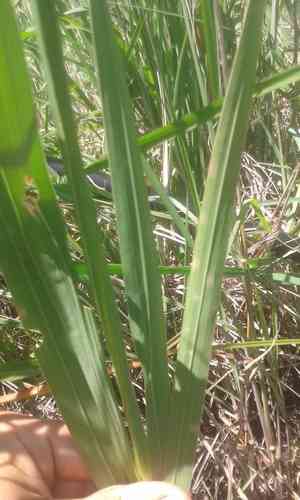
Butterfly sword lily (Gladiolus papilio)
Also known as: Butterfly Gladiolus, Gladiola
The name "Goldblotch gladiolus" for Gladiolus papilio comes from the characteristic golden marking present on its petals. The species name "papilio," meaning butterfly, refers to the butterfly-like patterns on the lower petals of the flower. This plant, also known as Butterfly sword lily, is compact and ideal for container gardening due to its appealing size and appearance.
In This Article
Attributes of Butterfly sword lily
Lifespan
Perennial
Plant Type
Herb
Plant Height
75 cm
Spread
45 cm
Leaf Color
Green
Flower Size
6-8 cm
Flower Color
White Yellow Red Purple Pink
Images of Butterfly sword lily
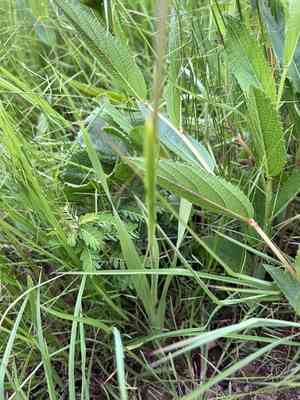
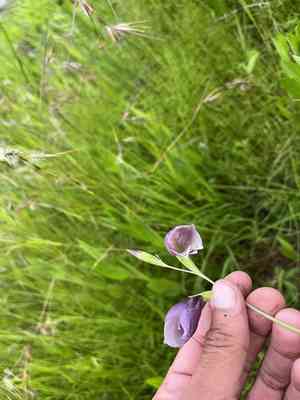
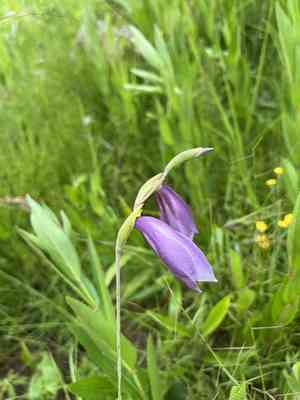
Quickly Identify Butterfly sword lily
1
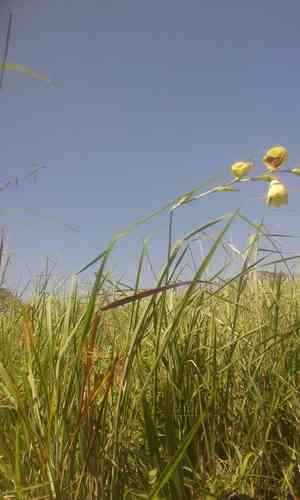
Gladiolus papilio can be identified by its tall, slender stems, sword-shaped leaves, and uniquely patterned flowers that resemble butterflies. The flowers typically have a combination of colors and intricate markings.
Scientific Classification of Butterfly sword lily
Phylum
Vascular plants
Class
Monocotyledons
Order
Asparagales
Family
Iris
Genus
Gladioli
Species
Butterfly sword lily
Planting and Growing of Butterfly sword lily
Care Difficulty
Moderate
Watering Schedule
Every 4 days
Sunlight Requirements
Partial sun
Sunshine Duration
4-6 hours
Ideal Temperature
60-75℉
Soil Type
Potting Mix, Peat Mix
Soil pH
6.5-7.5
Fertilizer Type
Balanced
Pruning Season
Spring, Summer
Pruning Area
Branches, Leaves
Pruning Frequency
2 times a year
Repotting Season
Spring
Pot Type
Plastic, Ceramic
 How to Water Butterfly sword lily?
Gladiolus papilio requires watering that keeps the soil consistently moist but never soggy. Aim to water enough so that the soil is damp throughout its top 2-3 inches, typically about 250 ml per watering session. Avoid letting water pool around the roots to prevent rotting.
What are the symptoms of an underwatered Butterfly sword lily?
›
What should I do if my Butterfly sword lily is not getting enough water?
›
What are the symptoms of an overwatered Butterfly sword lily?
›
How to save an overwatered Butterfly sword lily?
›
 What Are the Sunlight Requirements for Butterfly sword lily?
Partial sunlight for Gladiolus papilio ensures vibrant blooms and lush foliage. Receiving dappled sunlight throughout the day mimics its natural habitat, offering a balance that supports photosynthesis and robust plant health.
How to Achieve Ideal Lighting
›
Specific Measures for Optimal Light
›
Benefits of Ideal Lighting
›
 What Is the Ideal Temperature Range for Butterfly sword lily?
The ideal temperature range for Gladiolus papilio is between 60°F to 75°F. This range provides optimal conditions for photosynthesis and metabolic functions, ensuring healthy growth and vibrant blooms. Maintaining this temperature ensures that the plant's internal systems can operate efficiently without any stress-related issues.
 What Soil is Best for Butterfly sword lily?
Gladiolus papilio thrives in soil with excellent drainage. This allows excess water to flow away, preventing root rot, which can be fatal to the plant if left unaddressed. This plant benefits from a nutrient-rich soil bed where organic matter is present. It ensures steady growth and enhances the flowering potential of Gladiolus papilio. The soil should have the ability to retain enough moisture without becoming waterlogged. This balance ensures that the plant receives consistent hydration, which is crucial during active growth periods.
 How to Fertilize Butterfly sword lily?
For Gladiolus papilio, apply liquid fertilizer at a concentration of half the recommended amount on the product label to avoid burning the roots. For slow-release fertilizers, use about 30 grams per plant per application, spreading it evenly around the base without touching the stem.
 How to Prune Butterfly sword lily?
Always use clean and sharp pruning shears when cutting the foliage or stems of Gladiolus papilio. This practice helps prevent the spread of disease and ensures that your cuts are clean, which promotes quicker healing and reduces stress on the plant. When cutting back the plant, take care not to disturb the underground bulbs. These bulbs are the plant's lifeline and will generate new growth when the time is right. Gentle handling of soil can prevent unintended damage to the bulbs, safeguarding the upcoming year’s growth.
More About Pruning Techniques→
 How to Propagate Butterfly sword lily plant?
1
Prepare well-drained soil enriched with organic material. This ensures that Gladiolus papilio has the necessary nutrients for successful growth and development.
2
Seeds should be sown in a seed tray filled with a quality seed-starting mix. Cover lightly with soil and keep the tray in a warm, bright location.
3
Carefully dig out the clump of corms and gently separate them. Look for healthy offsets and replant them in appropriate conditions.
 How to Repot Butterfly sword lily plant?
1
The Gladiolus papilio signals its need for repotting when you notice roots emerging from the drainage holes or stunted growth. Ideally, repot during spring or autumn, as the plant is less active and can tolerate disturbance better.
2
Select a pot that is one size larger than the current one. Ensure it has adequate drainage holes to prevent waterlogging, which can lead to root rot. A terracotta pot is preferred as it provides extra porosity, ensuring balanced moisture levels.
3
Opt for a well-draining loamy mix enriched with organic matter. This composition allows sufficient aeration and retains necessary nutrients, promoting healthy growth and preventing root suffocation.
Learn More About Butterfly sword lily Diseases
Anthracnose
Bacterial Leaf Spot
Bacterial Soft Rot
Bacterial Wilt
Black Spot
Chemical Injury
Damping-off
Downy Mildew
Drought Stress
Fusarium Wilt
Gray Mold
Leaf Spot
Mosaic
Nutrient Deficiency
Nutrient Toxicity
Powdery Mildew
Root Rot
Root-knot Nematode
Rusts
Sooty Mold
Spider Mites
Temperature Stress
Thrips Damage
White Mold



