How to Transplant Hollyleaf gilia?
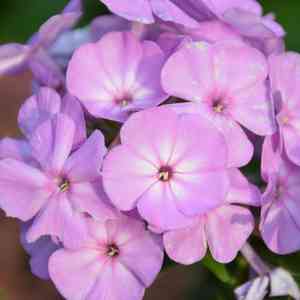
Hollyleaf gilia flourishes when relocated during the pleasant period from the beginning to the end of spring. Provide a bright spot with soil that drains effectively. Only move the plant if it's truly essential to reduce strain.
Essential Preparations Before Relocating Hollyleaf Gilia?
Optimal Period for Moving Hollyleaf Gilia?
The best time to move hollyleaf gilia is from early to late spring, when conditions are mild, aiding root establishment. Transplanting then ensures robust growth due to increased light and moderate temperatures. This preparatory phase is vital for hollyleaf gilia to adapt and flourish throughout its growing cycle.
Recommended Spacing Between Hollyleaf Gilia Plants?
When relocating hollyleaf gilia, position each plant 6-8 inches (15-20 cm) apart. This provides ample room for healthy development and reduces competition for nutrients and sunlight.
Best Soil Mixture for Hollyleaf Gilia Relocation?
Prepare well-draining soil enriched with compost to improve the ground for hollyleaf gilia. Ensure the soil is slightly sandy for enhanced root growth and incorporate a balanced base fertilizer to support young plants.
Where to Replant Your Hollyleaf Gilia?
Select a sunny location for your hollyleaf gilia. This plant thrives best in full sun, so aim for a spot that receives at least 6 hours of direct sunlight daily.
Tools Required Before Transplanting Hollyleaf Gilia?
Gardening Gloves
To safeguard your hands while handling soil and plants.
Small Shovel or Spade
For excavating and moving the hollyleaf gilia plant.
Watering Can or Hose
To hydrate the plant before and after its relocation.
Trowel
To assist with digging small holes and shifting soil.
Pruning Shears
To trim any damaged roots or foliage during the transplanting process.
Mulch
To help retain moisture around the newly relocated hollyleaf gilia.
Stakes and Twine
To offer support for the plant if needed.
How to Extract Hollyleaf Gilia from its Current Location?
How to Extract Hollyleaf Gilia from its Current Location?
From Ground: First, moisten the soil around the hollyleaf gilia plant by watering it. This will facilitate easier removal and minimize stress. Next, dig a wide trench around the plant using a shovel or spade, ensuring the plant's root ball remains intact. Carefully work the spade beneath the root ball to lift the plant from its original spot.From Pot: Water the hollyleaf gilia plant thoroughly. Gently compress the pot's sides to loosen the soil. Hold the plant's base with one hand while inverting the pot. Lightly tap the bottom and sides of the pot until the plant, with its root ball, slides out.From Seedling Tray: Water the seedling prior to transplanting. Use a small tool like a trowel to gently lift the seedling from the tray, making sure to include as much of the root ball as possible. Be careful not to harm the delicate roots.
Step-by-Step Guide for Relocating Hollyleaf Gilia
Preparation
Select a site with adequate sunlight and room for your hollyleaf gilia to reach its full size. Ensure the soil drains well and prepare it by loosening it with a shovel.
Digging the Hole
Excavate a hole twice as wide and the same depth as the root ball of your hollyleaf gilia. This allows the roots to spread out comfortably.
Placing the Plant
Position the hollyleaf gilia in the center of the hole, ensuring the top of the root ball is level with or slightly below the surrounding soil. Backfill the hole with soil, gently tamping down to eliminate air pockets.
Watering In
Thoroughly water the relocated hollyleaf gilia to help settle the soil around its roots. This initial saturation is vital for the plant's recovery.
Applying Mulch
Spread a layer of mulch around the base of the hollyleaf gilia, leaving some space around the stem to prevent rot. Mulch helps maintain moisture and regulate soil temperature.
Post-Transplant Care for Hollyleaf Gilia?
Watering
Keep the soil around the hollyleaf gilia consistently moist, but not waterlogged, for the initial weeks after transplanting to aid in strong root establishment.
Monitoring
Regularly inspect the hollyleaf gilia for signs of stress such as wilting or yellowing leaves. Address any issues promptly to ensure the plant's healthy recovery.
Support
If the hollyleaf gilia shows signs of needing support (e.g., leaning or falling over), use stakes and twine to keep it upright and stable.
Resolving Common Issues with Hollyleaf Gilia Relocation.
When is the best time to transplant hollyleaf gilia?
The optimal period to move hollyleaf gilia is from early to late spring for best growth.
What is the recommended spacing for hollyleaf gilia transplanting?
Space hollyleaf gilia plants 6-8 inches (15-20 cm) apart to ensure adequate growth room.
How should the soil be prepared for hollyleaf gilia transplantation?
Ensure the soil is well-drained and rich in organic matter for improved root development.
What should I do if hollyleaf gilia wilts after transplanting?
Check soil moisture; if dry, water thoroughly. Also, shield from direct sunlight temporarily.
How deep should I plant hollyleaf gilia seedlings?
Plant seedlings at the same depth they were in their original container for stability.
What should I do about pests on newly transplanted hollyleaf gilia?
Inspect regularly and remove pests by hand or use a mild insecticidal soap as needed.
Should I fertilize hollyleaf gilia immediately after transplanting?
Wait a few weeks after transplanting before fertilizing to prevent root burn.
What is the ideal temperature range for transplanting hollyleaf gilia?
The optimal temperature range for transplanting hollyleaf gilia is 60-70°F (15-21°C).
How often should I water hollyleaf gilia after transplanting?
Water hollyleaf gilia thoroughly after transplanting and keep the soil consistently moist but not waterlogged.
What can I do to reduce transplant shock in hollyleaf gilia?
Gradually acclimate plants to outdoor conditions and minimize root disturbance during transplanting.



