How to Transplant Showy gilia?
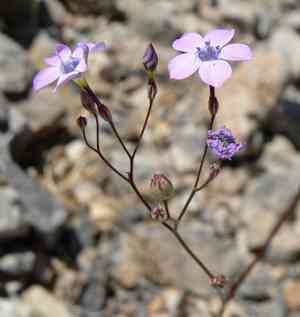
For optimal results, showy gilia ought to be relocated during the initial to middle stages of spring, when climatic conditions are temperate. Select a brightly lit spot featuring soil that drains effectively to foster robust development. Refrain from relocating under harsh environmental circumstances to achieve superior outcomes.
What Preparations are Needed Before Transplanting Showy Gilia?
What is the Ideal Time for Transplanting Showy Gilia?
Moving showy gilia in early to mid-spring guarantees the best root development prior to the hot summer. This timing encourages robust growth and boosts bloom potential, as the ground warms and becomes more favorable. Early spring relocation helps showy gilia adjust smoothly to its new spot, leading to a healthier, more resilient plant.
How Much Space Should You Leave Between Showy Gilia Plants?
When relocating showy gilia, ensure a spacing of 6-12 inches (15-30 cm) between them. This distance provides ample room for each plant to grow without crowding.
What is the Best Soil Mix for Showy Gilia Transplanting?
Prepare well-draining soil for showy gilia by incorporating compost or a balanced base fertilizer. Aim for a sandy or loamy soil to offer optimal conditions.
Where Should You Relocate Your Showy Gilia?
Select a sunny spot for showy gilia, as they flourish in full sunlight. Confirm the location receives at least 6-8 hours of direct sun daily.
What Equipments Should You Prepare Before Transplantation Showy Gilia?
Gardening Gloves
To safeguard your hands while handling soil and the plant.
Shovel or Spade
To excavate the plant from its original position and prepare a hole at the new site.
Hand Trowel
For smaller, more precise digging tasks, such as extracting a showy gilia from a seedling tray.
Watering Can or Hose
To hydrate the plant before and after its relocation.
Compost or Organic Matter
To enrich the soil at the new location for improved plant growth.
Mulch
To assist in retaining moisture around the relocated plant.
How Do You Remove Showy Gilia from the Soil?
How Do You Remove Showy Gilia from the Soil?
From Ground: First, hydrate the showy gilia plant to moisten the soil. Then, dig a wide trench around the plant using a shovel or spade, ensuring the plant's root ball remains intact. Carefully work the spade beneath the root ball to lift the plant from its initial spot.From Pot: Water the showy gilia plant in its container to facilitate removal. Gently invert the pot while supporting the plant's base, and lightly tap the pot to release the plant. Carefully separate it from the pot, ensuring the root ball stays intact.From Seedling Tray: Dampen the soil in the seedling tray. Use a hand trowel or your fingers to gently loosen the soil surrounding the showy gilia seedling. Lift the seedling by its leaves, not the stem, to prevent damage, making sure the root ball comes out intact.
Step-by-Step Guide for Transplanting Showy Gilia
Preparation
Before relocating, water the showy gilia thoroughly to lessen transplant shock. Ensure all necessary tools and materials are ready.
Digging the Hole
Excavate a hole at the new planting site that is twice as wide and the same depth as the showy gilia's root ball. This allows roots to spread easily.
Amending the Soil
If the soil at the new location is poor, mix in compost or organic matter to enhance soil fertility and structure.
Placing the Plant
Position the showy gilia in the center of the hole, ensuring the top of the root ball is level with the surrounding soil. Backfill with soil gently, pressing lightly to eliminate air pockets.
Watering In
Once planted, water the showy gilia thoroughly to help settle the soil around the roots. Ensure the water reaches the root zone.
Mulching
Apply a layer of mulch around the plant, keeping it a few inches away from the stem to prevent rot. Mulch aids in moisture retention and weed suppression.
How Do You Care For Showy Gilia After Transplanting?
Watering
Keep the soil around the showy gilia consistently moist, but not waterlogged, for the initial weeks after transplanting to aid in strong root establishment.
Monitoring
Observe the showy gilia closely for signs of stress such as wilting or yellowing foliage. Adjust watering as needed and confirm the plant receives adequate sunlight.
Feeding
Nourish the showy gilia with a balanced liquid fertilizer a few weeks post-transplant to encourage healthy development.
Weed Control
Maintain the area around the showy gilia free of weeds to reduce competition for nutrients and water.
Mulch Maintenance
Check the mulch layer and replenish if necessary to sustain a consistent level of moisture retention.
Troubleshooting Common Issues with Showy Gilia Transplantation.
When is the best time to transplant showy gilia?
Relocate showy gilia in early spring, mid spring, or early winter for optimal outcomes.
What is the ideal spacing for showy gilia seedlings?
Space showy gilia seedlings 6-12 inches (15-30 cm) apart to ensure robust growth.
How deep should I plant showy gilia seedlings?
Plant showy gilia seedlings at the same depth they were growing in their containers.
How do I prepare the soil for showy gilia?
Loosen the soil and incorporate compost to make it nutrient-rich and well-drained.
How should I water showy gilia after transplanting?
Water showy gilia thoroughly after transplanting, ensuring the soil is moist but not saturated.
What conditions does showy gilia need to thrive post-transplant?
Place showy gilia in a sunny location with well-drained soil to promote healthy development.
What should I do if showy gilia wilts after transplanting?
Ensure showy gilia is not exposed to intense sun; keep the soil consistently moist.
Can I use fertilizer when transplanting showy gilia?
Lightly fertilize showy gilia with a balanced, water-soluble fertilizer to support their establishment.
Should I prune showy gilia before transplanting?
Pruning is not required; simply remove any damaged leaves or stems before relocating showy gilia.
How do I prevent transplant shock in showy gilia?
Relocate showy gilia on a cool, cloudy day and keep them well-hydrated to minimize shock.



