How to Prune Showy gilia?
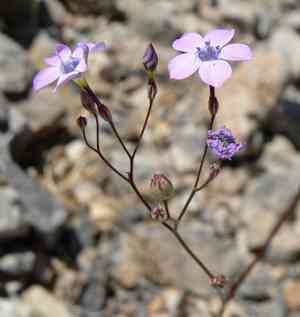
Gilia tricolor exhibits brilliant blossoms and fine leaves. Essential trimming methods include deadheading to stimulate additional flowering and shortening stalks following the blooming phase. The most suitable periods for pruning are spring, summer, and autumn, coinciding with its vigorous development and flowering intervals. Particular attention should be given to light shaping to preserve its form and avert etiolation, thereby improving the plant's general well-being and vigor. Pruning enhances air movement, lowering the likelihood of illness, and fosters dense, strong development.
What Are the Benefits of Pruning Showy Gilia?
What Are the Benefits of Pruning Showy Gilia?
Trimming showy gilia encourages robust development and helps maintain its form. This practice also promotes more abundant blooms, deters pest infestations, and boosts overall plant vitality, resulting in a more appealing look.
What Is the Best Time for Pruning Showy Gilia?
What Is the Best Time for Pruning Showy Gilia?
Trimming or cutting back showy gilia during spring, summer, and fall aligns with its growth and blooming cycles. Spring pruning aids in stimulating new growth as the plant exits dormancy and prepares for its flowering season. Summer pruning focuses on preserving the plant's shape and health, particularly after its peak bloom. Fall pruning assists in readying the plant for winter dormancy by removing any dead or diseased material, fostering overall well-being.
What Tools Do I Need to Prune Showy Gilia?
Bypass Pruners
Bypass pruners are ideal for showy gilia due to their clean cutting action, which minimizes damage to the plant tissues. This is essential for maintaining the plant's health and promoting better growth.
Hand Shears
Hand shears are suitable for trimming smaller stems and foliage of showy gilia. They offer precision and ease of use, which is beneficial for the detailed work often required.
Pruning Knife
A pruning knife can be useful for making delicate cuts on showy gilia, especially useful for shaping and removing any dead or diseased parts without harming nearby healthy growth.
How to Prune Showy Gilia
Prepare tools
Gather clean, sharp pruning shears to ensure precise cuts and prevent damage to showy gilia.
Inspect plant
Examine showy gilia carefully, focusing on identifying withered leaves that need to be pruned.
Cut withered leaves
Trim the withered leaves close to the base, ensuring not to damage any healthy stems or leaves.
Dispose pruned material
Collect and dispose of the pruned withered leaves to prevent potential disease spread or pest infestation.
Monitor regrowth
Regularly monitor showy gilia for new growth, noting any additional leaves that may wither and require further pruning.
Common Pruning Mistakes with Showy Gilia
Over-pruning
Removing too much foliage at once can stress showy gilia and hinder its ability to photosynthesize effectively, leading to poor growth and reduced flowering.
Improper cutting angles
Cutting branches or stems at the wrong angle, usually too steep or too flat, can result in water pooling on the cut surface and increase the risk of disease.
Neglecting sanitary practices
Using unclean or dull pruning tools can introduce diseases or pests to showy gilia, affecting its health and vigor.
Wrong timing within the day
Pruning during the hottest parts of the day can cause additional stress to showy gilia, leading to wilting or sunburn.
Common Pruning Tips for Showy Gilia
Use sharp, clean tools
Always use sharp and sanitized pruning shears or scissors to make clean cuts and prevent the spread of disease.
Prune for shape and air circulation
Make cuts to maintain an open shape, which improves air circulation and reduces the risk of fungal infections.
Remove dead or diseased parts
Regularly inspect showy gilia and prune away any dead, damaged, or diseased stems and leaves to maintain its overall health.
Make precise cuts
Cut just above a node (the point where a leaf or branch joins the stem) at a slight angle to promote healthy regrowth and prevent water accumulation.
Less is more
Prune conservatively to avoid over-stressing the plant. Focus on removing only what is necessary to achieve the desired shape and health improvements.



