How to Transplant Richardson's Geranium?
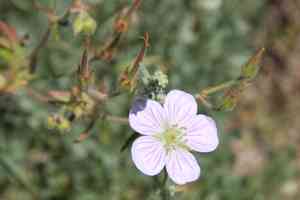
Relocate richardson's Geranium as spring reawakens, generally from the initial thaw to the onset of summer's heat. Select a bright location, protected from strong air currents. When positioning richardson's Geranium, careful manipulation aids its smooth adaptation.
What Preparations are Needed Before Transplanting Richardson's Geranium?
What is the Ideal Time for Transplanting Richardson's Geranium?
The optimal period for relocating your richardson's Geranium spans from the refreshing start of spring to the threshold of early summer. Moving richardson's Geranium during this timeframe capitalizes on mild weather, allowing roots to settle comfortably prior to summer's heat. Embracing this prime transplanting window ensures robust root establishment, vital for survival and vigorous growth. You'll observe your richardson's Geranium thriving in harmony with the season's natural growth cycle. A helpful hint: aim for the gentle embrace of spring, avoiding late summer's intense heat for peak transplanting success!
How Much Space Should You Leave Between Richardson's Geranium Plants?
Before settling richardson's Geranium into its new spot, ensure they are spaced approximately 15-18 inches (38-45 cm) apart. This provides ample room for each plant to thrive and expand its beautiful foliage.
What is the Best Soil Mix for Richardson's Geranium Transplanting?
For richardson's Geranium, prepare the soil with a rich, well-draining blend; a loamy texture would be excellent. Gently incorporate a balanced, slow-release fertilizer to give your richardson's Geranium a healthy start. Aim for a soil pH between 5.8 and 6.8.
Where Should You Relocate Your Richardson's Geranium?
Richardson's Geranium enjoys soaking up the sun but also appreciates some shade. Locate a spot that receives full to partial sunlight â roughly 6 to 8 hours of sun daily. This balance will help richardson's Geranium radiate health and vitality.
What Equipments Should You Prepare Before Transplantation Richardson's Geranium?
Gardening Gloves
To safeguard your hands while handling soil and plants.
Shovel or Spade
For excavating the plant and preparing a new planting site.
Watering Can or Hose
To hydrate the plant before and after removal, as well as in its new position.
Pruning Shears
To trim any damaged or excess roots and leaves.
Garden Fork
To loosen the soil around the plant's root ball.
Wheelbarrow or Plant Sled
To move the excavated plant to its new spot without causing damage.
Mulch
To aid in retaining soil moisture around the fresh planting area.
Measuring Tape
To ensure correct spacing between plants if moving multiple specimens.
How Do You Remove Richardson's Geranium from the Soil?
How Do You Remove Richardson's Geranium from the Soil?
From Ground: First, hydrate the richardson's Geranium plant to moisten the soil. Then, use a shovel or spade to dig a wide trench around the plant, ensuring you are far enough out to avoid harming the root system. Carefully work the tool beneath the root ball to lift the plant from its original spot.From Pot: Water the richardson's Geranium plant to facilitate its removal from the container. Tilt the pot and gently tap its sides to loosen the soil. Grasping the plant's base, slowly ease the root ball out of the pot.From Seedling Tray: If the richardson's Geranium is growing in a seedling tray, water it thoroughly first. Use a spoon or a small gardening trowel to carefully scoop out each seedling, making sure to include the roots and surrounding soil.
Step-by-Step Guide for Transplanting Richardson's Geranium
Preparation
Before transplanting richardson's Geranium, ensure you've chosen an appropriate day for the task. Overcast days or cool mornings are preferred as they reduce stress on the plant during this process.
Soil Loosening
At the new site, loosen the soil to a depth of approximately 12-18 inches to promote easier root growth.
Excavation
Dig a hole that is twice as wide and equally deep as the richardson's Geranium's root system to ensure ample space for roots to spread without crowding.
Plant Positioning
Carefully place the richardson's Geranium in the center of the new hole. The top of the root ball should be level with the surrounding soil surface.
Backfilling
Gradually refill the hole with soil, gently tamping it down around the roots to eliminate any large air pockets.
Watering
Thoroughly water the richardson's Geranium to settle the soil around the root ball and help alleviate transplant shock.
Mulching
Apply a layer of mulch around the planting area to help maintain soil moisture and protect the roots.
Monitoring
Over the subsequent weeks, observe the richardson's Geranium plant for signs of transplant shock and the initiation of new growth.
How Do You Care For Richardson's Geranium After Transplanting?
First Watering
Provide the richardson's Geranium with ample water immediately after planting to help it establish in its new location.
Monitoring
Regularly check soil moisture and maintain consistent moisture levels; avoid letting the soil become waterlogged or completely dry out.
Support
If the richardson's Geranium is tall or appears top-heavy, consider staking it for support until it develops a strong root system.
Mulching
Inspect and replenish mulch as needed to suppress weeds and retain moisture, but be careful not to let the mulch touch the plantâs stem as it could cause rot.
Adaptation Period
Be patient as the richardson's Geranium adjusts to its new surroundings. Refrain from applying fertilizers until the plant shows new growth, indicating it has recovered from transplant shock.
Troubleshooting Common Issues with Richardson's Geranium Transplantation.
When's the best time to transplant richardson's Geranium?
Choose early to late spring, when the soil is workable and temperatures are mild.
How far apart should I space richardson's Geranium when transplanting?
Allow 15-18 inches (38-45 cm) between plants for optimal growth.
Why is my richardson's Geranium not thriving after transplantation?
Verify adequate watering, proper soil drainage, and sufficient sunlight exposure for the location.
Should I fertilize richardson's Geranium after transplanting?
Wait a few weeks before fertilizing to allow richardson's Geranium to establish in its new location.
My richardson's Geranium looks wilted post-transplant, what should I do?
Wilted richardson's Geranium often requires water. Ensure it's hydrated, especially in the initial weeks after relocation.
How deep should I plant richardson's Geranium?
Plant richardson's Geranium at the same depth it was previously growing to prevent root suffocation or exposure.
Can I transplant richardson's Geranium on a hot, sunny day?
It's best to transplant richardson's Geranium on an overcast day or during the cooler part of the day to minimize stress.
How do I prepare the soil for transplanting richardson's Geranium?
Mix in compost to enrich the soil and ensure it's loose and well-draining before planting.
What's the sign that I'm overwatering my transplanted richardson's Geranium?
Yellowing leaves or a soggy base could indicate overwatering. Allow the soil to dry slightly between watering.
Why are the leaves of my richardson's Geranium turning brown at the edges after transplanting?
Browning leaves could signal transplant shock or water stress. Keep the soil consistently moist but not soggy.



