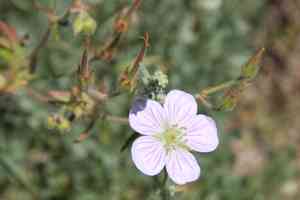
Richardson's Geranium (Geranium richardsonii)
Also known as: Wild Geranium, Richardson's Geranium
Richardson's Geranium (Geranium richardsonii) is a native North American wildflower found in woodland areas. It serves as a significant food source for wildlife, including deer. This plant thrives from a deep, woody taproot.
In This Article
Attributes of Richardson's Geranium
Lifespan
Perennial
Plant Type
Herb
Plant Height
20 cm to 81 cm
Spread
30 cm
Leaf Color
Green
Flower Size
2-3 cm
Flower Color
White Pink Purple
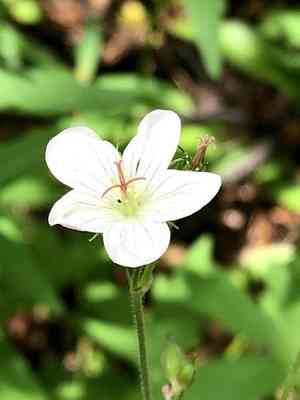
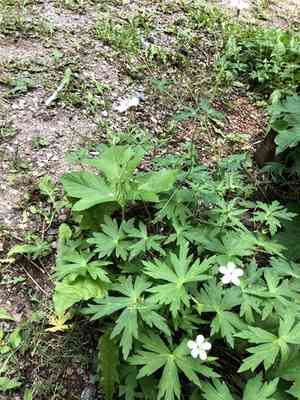
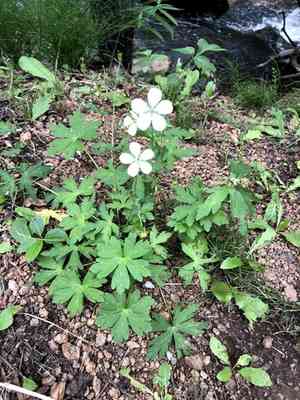
Images of Richardson's Geranium
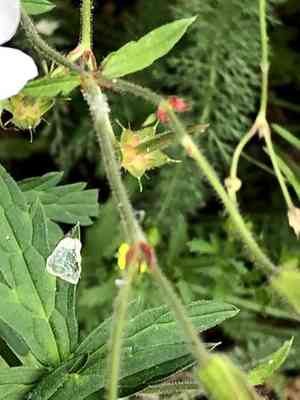
Quickly Identify Richardson's Geranium
1
Identifying Geranium richardsonii involves looking for its deeply lobed leaves, which are green and palmate. The plant produces white to pinkish flowers with five petals, often showing purplish veins.
Scientific Classification of Richardson's Geranium
Phylum
Vascular plants
Class
Dicotyledons
Order
Geraniales
Family
Geranium
Genus
Geraniums
Species
Richardson's Geranium
Planting and Growing of Richardson's Geranium
Care Difficulty
Easy
Watering Schedule
Every 4 days
Sunlight Requirements
Partial sun
Sunshine Duration
6-12 hours
Ideal Temperature
60-75℉
Soil Type
Potting Mix, Peat Mix
Soil pH
6.5-7.5
Fertilizer Type
Balanced
Pruning Season
Spring, Summer
Pruning Area
Branches, Leaves
Pruning Frequency
2 times a year
Repotting Season
Spring
Pot Type
Plastic, Ceramic
 How to Water Richardson's Geranium?
The Geranium richardsonii thrives with a moderate watering routine. It prefers the soil to be moist but not overly saturated. Aim for around 250ml per watering session, allowing the soil to dry slightly in between watering to mimic its natural habitat's conditions.
What are the symptoms of an underwatered Richardson's Geranium?
›
What should I do if my Richardson's Geranium is not getting enough water?
›
What are the symptoms of an overwatered Richardson's Geranium?
›
How to save an overwatered Richardson's Geranium?
›
 What Are the Sunlight Requirements for Richardson's Geranium?
Partial sun is ideal, where the plant receives sunlight enough to foster significant flowering and foliage health. This balance promotes vigorous growth and prevents stress-related issues, keeping the Geranium richardsonii robust and lush.
More About Sunlight Requirements Techniques→
What light conditions are optimal for Geranium richardsonii?
›
How can I ensure Geranium richardsonii receives its optimal lighting?
›
What are the benefits of providing ideal light conditions for this plant?
›
 What Is the Ideal Temperature Range for Richardson's Geranium?
Geranium richardsonii thrives best in moderate temperatures ranging from 60°F to 75°F. This range provides the optimal conditions for photosynthesis and growth, maintaining healthy foliage and encouraging blooming. Maintaining this temperature range helps the plant to avoid thermal stress and allows it to flourish in its natural habitat or similar cultivated environments.
 What Soil is Best for Richardson's Geranium?
Geranium richardsonii thrives in well-drained soil to prevent root rot. Ensuring good drainage allows the roots to breathe and absorb nutrients efficiently, promoting healthy growth and vibrant blooms. The soil should retain some moisture without becoming waterlogged. This balance keeps the plant hydrated, particularly in dry periods, and supports steady growth throughout the growing season. A soil that is rich in organic matter provides essential nutrients to Geranium richardsonii. Organic minerals foster strong root development and enhance the plant’s resilience to pests and diseases.
 How to Fertilize Richardson's Geranium?
For Geranium richardsonii, an appropriate amount of liquid fertilizer is 1/4 to 1/2 teaspoon diluted in a gallon of water. This allows the plant to absorb nutrients effectively without risk of nutrient burn. When using slow-release granules, apply about 1 to 2 tablespoons per plant in the surrounding soil.
 How to Prune Richardson's Geranium?
Carefully inspect the plant before beginning to prune. Look for stems that appear brown, brittle, or lacking in any healthy green growth. These are usually dead or dying and should be the first to be trimmed. This not only improves the plant's overall appearance but also helps to direct energy to new, healthy growth. To maintain a desired shape, prune Geranium richardsonii by cutting back stems to just above a set of leaves or a leaf node. This encourages bushier growth and prevents the plant from becoming leggy or unruly. Take care not to remove more than one-third of the plant's foliage at a time to avoid stressing the plant. After pruning, water the plant thoroughly and consider applying a balanced, slow-release fertilizer to promote recovery and new growth. This will ensure that your Geranium richardsonii remains healthy and vibrant throughout the growing seasons.
More About Pruning Techniques→
 How to Propagate Richardson's Geranium plant?
1
Start by sowing the seeds in a seed tray filled with well-draining soil. Cover them lightly with soil and ensure they are in a warm, bright location but out of direct sunlight. Water them gently to keep the soil moist. Germination can take a few weeks.
2
Select a healthy stem with no flowers and cut a 4-6 inch piece below a node. Remove lower leaves, dip the cut end in rooting hormone, and place it in a pot with moist, well-draining soil. Cover it with a plastic bag to maintain humidity, and place in indirect light.
3
Dig up the plant and gently separate the root ball into sections, ensuring each division has roots and shoots. Plant the divisions immediately in prepared soil, water well, and care for them as you would mature plants.
 How to Repot Richardson's Geranium plant?
1
The ideal time to repot Geranium richardsonii is during early spring when the plant shows signs of new growth. Look for roots emerging from the drainage holes or when the plant becomes root-bound. These are your signals that repotting is necessary.
2
Choose a pot that is one size larger than the current one. Ensure it has drainage holes to prevent waterlogging, which can lead to root rot. The new pot should allow room for root expansion, promoting healthier growth without overwhelming the plant with too much space.
3
Select a well-draining potting mix to prevent water retention, which this plant does not tolerate well. The ideal soil for Geranium richardsonii is one that retains some moisture while allowing excess water to drain away quickly, reducing the risk of root rot.
Learn More About Richardson's Geranium Diseases
Anthracnose
Bacterial Leaf Spot
Bacterial Soft Rot
Bacterial Wilt
Crown Gall
Cyst Nematode
Damping-off
Downy Mildew
Drought Stress
Fusarium Wilt
Gray Mold
Leaf Curl
Leaf Spot
Mosaic
Nutrient Deficiency
Nutrient Toxicity
Powdery Mildew
Root Rot
Root-knot Nematode
Rusts
Sooty Mold
Spider Mites
Temperature Stress
Thrips Damage
White Mold



