How to Prune Richardson's Geranium?
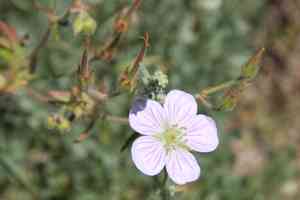
This enduring herbaceous variety, recognized for its profoundly incised foliage and subtle violet blossoms, thrives across numerous North American environments. For richardson's Geranium, trim faded blooms at their base to stimulate a subsequent flowering period and a neat aesthetic. The beginning of spring is perfect for trimming, concentrating on eliminating withered leaves and compromised stalks. The warmer months permit shaping and the removal of spent flowers to foster well-being and deter unwanted seed dispersal. These methods boost the plant's robustness and capacity for blooming while preserving its inherent structure.
What Are the Benefits of Pruning Richardson's Geranium?
What Are the Benefits of Pruning Richardson's Geranium?
Trimming richardson's Geranium promotes more robust development by eliminating dead or overgrown branches, which improves air circulation and light exposure. It also assists in maintaining its preferred form and size, ensuring richardson's Geranium remains visually appealing in the garden.
What Is the Best Time for Pruning Richardson's Geranium?
What Is the Best Time for Pruning Richardson's Geranium?
Pruning or trimming richardson's Geranium during late spring and early summer is advantageous as this period coincides with the end of its dormant phase and the start of active growth. By late spring, the threat of frost has typically passed, minimizing the risk of cold damage to new growth that could result from pruning. In early summer, richardson's Geranium possesses sufficient vigor and energy to effectively heal pruning wounds and can reallocate its energy to produce new growth, which will be strong due to longer days and warmer temperatures. Furthermore, trimming after the initial spring bloom helps stimulate richardson's Geranium to potentially produce a second bloom and fosters denser foliage, leading to a more attractive plant. Pruning in early summer also allows the gardener to shape the plant when it hasn't reached its full size, making it easier to anticipate how the plant will develop during the peak growing season.
What Tools Do I Need to Prune Richardson's Geranium?
Hand Pruners
Perfect for making precise cuts and shaping richardson's Geranium, as its stems are not overly thick.
Pruning Shears
Suitable for cutting back dead or overgrown foliage and maintaining the plant's compact shape.
Garden Scissors
Useful for deadheading spent flowers to encourage continuous blooming throughout the growing season.
Bypass Pruners
Recommended for making clean cuts on richardson's Geranium's live stems without causing unnecessary harm to the plant tissue.
How to Prune Richardson's Geranium
Disinfect Tools
Before beginning the pruning process, sanitize your pruning shears with alcohol or a household disinfectant to prevent the spread of disease to richardson's Geranium.
Remove Diseased Leaves
Carefully inspect richardson's Geranium for any diseased leaves and gently snip them off at the base where they meet the stem or a main branch, avoiding tearing or damaging healthy tissues.
Trim Withered Leaves
Identify and cut any withered or dead leaves from richardson's Geranium. Make clean cuts close to the stem promoting healthy growth and improving air circulation.
Cut Diseased Stems
Search for diseased stems on richardson's Geranium and cut them back to healthy tissue, ensuring a slight angle on the cut to help with water runoff and reducing the chance of further infection.
Clean Up
After pruning richardson's Geranium, gather all removed plant material and dispose of it properly to reduce the risk of disease spread in the garden.
Common Pruning Mistakes with Richardson's Geranium
Overpruning
Cutting back richardson's Geranium too aggressively can stress the plant and impede its growth and flowering potential. It's important to prune only what's necessary, targeting dead or unhealthy growth.
Improper Cuts
Making cuts too close to the main stem or leaving large stubs can lead to disease and poor healing. Clean cuts at a 45-degree angle just above a leaf node encourage healthier regrowth.
Not Cleaning Tools
Using dirty pruning tools can spread diseases between plants. Always clean and sterilize pruning tools before and after use on richardson's Geranium.
Ignoring Plant Health
Pruning richardson's Geranium when it is already stressed or unhealthy can worsen its condition. Assess the plant's health before deciding to prune.
Pruning Healthy Growth
Removing healthy growth unnecessarily can limit richardson's Geranium's flowering and vitality. Focus on deadheading and removing dead or damaged growth rather than cutting back healthy stems.
Common Pruning Tips for Richardson's Geranium
Deadheading
Regularly remove spent flowers on richardson's Geranium to encourage new blooms and prevent seeding, which can divert energy from flower production.
Shape Maintenance
Lightly prune to maintain the desired shape of richardson's Geranium, and to encourage bushier growth, which promotes better airflow and reduces disease risk.
Encouraging New Growth
Prune older stems on richardson's Geranium moderately to stimulate new growth and rejuvenate the plant.
Aftercare Following Pruning
Water richardson's Geranium adequately and consider applying a balanced fertilizer post-pruning to aid in recovery and growth.
Spot Pruning
Throughout the growing season, sporadically remove dead or dying foliage from richardson's Geranium to improve plant health and aesthetics. This helps prevent disease and promotes air circulation.



