How to Transplant Longstalk cranesbill?
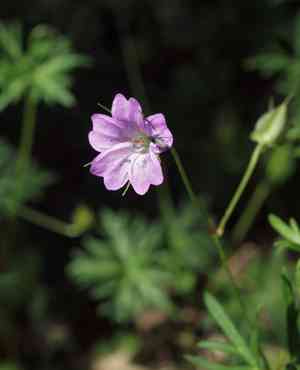
Longstalk cranesbill flourishes when relocated as the ground warms in spring, from its initial mild temperatures to the verge of summer. Selecting a location that receives full sun to partial shade and features adequately draining soil is ideal for this yearly plant's development. Friendly advice: guarantee very little disruption to the roots for optimal prosperity.
What Preparations are Needed Before Transplanting Longstalk Cranesbill?
What is the Ideal Time for Transplanting Longstalk Cranesbill?
The optimal period for relocating longstalk cranesbill spans from early March's awakening until the onset of June's bloom. Carefully moving longstalk cranesbill within this timeframe promotes strong root development and minimizes stress, which is crucial for its thriving. This timely shift aligns perfectly with longstalk cranesbill's natural growth cycle, significantly boosting its chances of survival and flourishing in its new home.
How Much Space Should You Leave Between Longstalk Cranesbill Plants?
When moving longstalk cranesbill, aim for a separation of roughly 4-6 inches (10-15 cm). This provides your plants ample room to expand and thrive without competing for essential nutrients!
What is the Best Soil Mix for Longstalk Cranesbill Transplanting?
Prepare a comfortable bed for your longstalk cranesbill using soil that drains well and is rich in organic material. Incorporating a balanced, slow-release fertilizer will give your yearly companions an excellent head start!
Where Should You Relocate Your Longstalk Cranesbill?
Locate a sunny spot for your longstalk cranesbill as they love soaking up the sun! An area receiving at least 6 hours of direct sunlight daily will be perfect for their development and well-being.
What Equipments Should You Prepare Before Transplantation Longstalk Cranesbill?
Gardening Gloves
To safeguard your hands while handling soil and plants.
Hand Trowel
For excavating the longstalk cranesbill if it's in a container or for creating a hole in the ground for the plant.
Garden Spade or Shovel
For digging an appropriate hole if moving from the ground and for larger transplant areas.
Watering Can
For gently hydrating the plant after its relocation.
Pruning Shears
For carefully trimming away any damaged roots or foliage.
How Do You Remove Longstalk Cranesbill from the Soil?
How Do You Remove Longstalk Cranesbill from the Soil?
From Pot or Seedling Tray: Lightly tap the container's exterior to loosen the soil. Tilt the container sideways and support the longstalk cranesbill plant with one hand. Use the other to carefully slide the plant out with its root ball intact. Avoid pulling the plant by its stem.From Ground: Thoroughly water the soil surrounding the longstalk cranesbill plant to facilitate removal. Use a garden spade to dig a wide trench around the plant, then work the tool beneath to lift the root ball and plant from the ground with minimal root disturbance.
Step-by-Step Guide for Transplanting Longstalk Cranesbill
Digging Hole
Excavate a hole in your chosen location that is twice as wide and equally deep as the longstalk cranesbill's root ball.
Roots Preparation
If the root ball is wrapped in burlap, gently remove it or make cuts to allow roots to expand freely. If roots have encircled the container, carefully untangle them.
Placement
Position the longstalk cranesbill in the hole's center, ensuring it's at the same depth it was growing previously. The top of the root ball should be level with the soil surface.
Backfilling
Fill the area around the root ball with the excavated soil. Gently firm the soil to eliminate air pockets but avoid excessive compaction.
Watering
Gently water the transplanted longstalk cranesbill to settle the soil around its roots and hydrate the plant.
Support
If necessary, stake your longstalk cranesbill plant for extra support to help it stay upright, being careful not to harm the roots.
How Do You Care For Longstalk Cranesbill After Transplanting?
Monitoring
Regularly check the longstalk cranesbill plant to ensure the soil is moist and the plant is adjusting to its new environment.
Mulching
Apply mulch around the base to retain moisture, stabilize soil temperature, and reduce weed competition.
Pruning
Remove any dead or dying leaves to help direct the longstalk cranesbill's energy towards new growth.
Avoid Overwatering
Water when the top inch of soil feels dry to the touch. Excessive watering can lead to root rot and other problems.
Troubleshooting Common Issues with Longstalk Cranesbill Transplantation.
When is the best time to transplant longstalk cranesbill?
The optimal period for moving longstalk cranesbill is during early to late spring, when the soil is workable.
What is the ideal spacing for longstalk cranesbill when transplanting?
Ensure to space longstalk cranesbill approximately 4-6 inches (10-15 cm) apart to provide each plant room to thrive.
Why are my transplanted longstalk cranesbill plants wilting?
Wilting might indicate water stress. Ensure the soil remains consistently moist, but not waterlogged after transplanting.
How deep should I plant longstalk cranesbill when transplanting?
Transplant longstalk cranesbill so their root balls are level with the soil surface, allowing roots to establish without stress.
Can I transplant longstalk cranesbill on a hot, sunny day?
Avoid intense sun. Transplant longstalk cranesbill on an overcast day or in the evening to lessen transplant shock and water loss.
What soil type is best for transplanting longstalk cranesbill?
Utilize well-drained soil, rich in organic matter for longstalk cranesbill to promote root growth and nutrient absorption.
Should I fertilize longstalk cranesbill immediately after transplanting?
Wait 2-4 weeks post-transplant before applying a balanced, mild fertilizer to prevent burning delicate roots.
How often should I water longstalk cranesbill after transplanting?
Water longstalk cranesbill thoroughly after transplanting, then maintain moist soil, watering every few days depending on weather conditions.
My transplanted longstalk cranesbill are drooping, what should I do?
Ensure plants receive adequate water and consider providing shade for a few days to aid recovery.
Can I transplant longstalk cranesbill that are already flowering?
It's preferable to transplant longstalk cranesbill before they flower to reduce stress and direct energy to root establishment.



