How to Propagate Longstalk cranesbill?
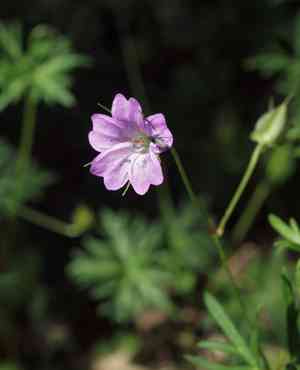
Geranium columbinum, recognized for its distinctive blossoms and natural growth patterns, can be successfully cultivated in garden settings. For individuals seeking to multiply Geranium columbinum, the most advised technique involves utilizing stem cuttings. This process entails choosing robust, non-blooming stems and severing them beneath a leaf joint. Subsequently, these cuttings ought to be situated in well-draining substrate, ensuring sufficient hydration without saturation. While not strictly necessary, rooting compounds can significantly improve the chances of success. It is crucial to establish a consistent environment, devoid of harsh conditions that might impede root formation.
What Is the Best Time To Propagate Longstalk Cranesbill?
Propagation Type
Sowing
Propagation Season
Spring
What Tools Are Used in Longstalk Cranesbill Propagation?
Seed trays
Seed trays are vital for starting longstalk cranesbill from seeds, enabling organized sowing and growth of multiple seedlings in a contained space. Their shallow design is perfect for the small, delicate seeds of longstalk cranesbill, preventing them from being buried too deep, which could hinder germination.
Sterile potting mix
Employing a sterile potting mix ensures that longstalk cranesbill seeds are planted in a disease-free medium, crucial for preventing seedling ailments like damping off. The mix supplies the necessary nutrients and drainage for longstalk cranesbill's initial growth phases.
Misting bottle
A misting bottle aids in gently watering longstalk cranesbill seeds and young seedlings without dislodging them, a risk with heavier watering methods. This tool guarantees precise control over moisture levels, which is critical for seed germination and early plant health.
Grow lights (if indoors)
Grow lights are advantageous for propagating longstalk cranesbill indoors, especially when natural light is insufficient. They provide the essential light spectrum for photosynthesis and robust growth, helping to maintain seedling vitality until they are ready for outdoor transplanting.
Heating mat
A heating mat is particularly beneficial for longstalk cranesbill propagation as it helps maintain a consistent soil temperature, which is vital for germination. Longstalk cranesbill seeds thrive with warmth, which stimulates germination rates and ensures a uniform sprout of seedlings.
How to Propagate Longstalk Cranesbill?
Propagation Type
Easy
How to Care for Your Newly Propagated Longstalk Cranesbill?
How to Care for Your Newly Propagated Longstalk Cranesbill?
Post-germination, gradually introduce young longstalk cranesbill plants to outdoor conditions if they began indoors. Transplant them to their permanent spot in a garden bed with full sun to partial shade, ensuring the soil remains well-drained. Consistent watering, especially during dry spells, and occasional feeding with a balanced fertilizer will encourage healthy development. Watch for pests and diseases, and promptly remove any affected parts to prevent spread.
Common Mistakes to Avoid When Propagating Longstalk Cranesbill
Overwatering seedlings
Excessive watering can lead to root rot in longstalk cranesbill, impairing the plant's ability to absorb nutrients and eventually stunting growth or causing death.
Planting seeds too deeply
Longstalk cranesbill seeds require light for effective germination. Planting them too deep can prevent germination as they may not receive adequate light.
Ignoring soil type
Using unsuitable soil, particularly heavy or poorly draining varieties, can hinder root development and water drainage, leading to health issues for longstalk cranesbill.
Overcrowding plants
Too many plants in one area can impede air circulation and reduce light access, significantly hindering growth and increasing susceptibility to diseases.
Tips For Propagating Longstalk Cranesbill
Use a well-draining soil mix
Ensuring a well-draining soil mix helps prevent waterlogging and root diseases, facilitating healthier growth and development of longstalk cranesbill.
Surface sowing
As light aids the germination of longstalk cranesbill's seeds, surface sowing without covering the seeds with soil can increase germination rates.
Maintain moisture but avoid waterlogging
Keeping the soil consistently moist without overwatering is crucial for the germination and initial growth stages of longstalk cranesbill.
Thinning seedlings
Thinning out seedlings early ensures that each plant has enough space and resources to develop fully, promoting stronger, healthier growth.



