How to Prune Longstalk cranesbill?
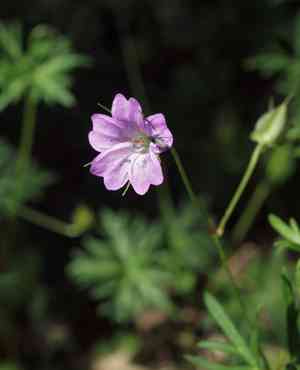
Longstalk cranesbill, an herbaceous perennial, is distinguished by its fine, divided leaves and pink-purple blossoms situated on extended stems. Trimming should encompass removing faded flowers to stimulate additional blooming. After flowering, reduce the foliage to preserve a dense form and foster fresh development. The most effective time for pruning is from spring through autumn, coinciding with its periods of active growth. Consistent trimming enhances the plant's vitality and capacity for flowering, and also deters self-propagation if not desired.
Why Prune Longstalk Cranesbill?
Why Prune Longstalk Cranesbill?
Trimming longstalk cranesbill is crucial for maintaining its vitality and desired form. Strategic cutting promotes robust new development and helps preserve the plant's shape, enhancing both its health and visual appeal.
When Is the Best Time to Prune Longstalk Cranesbill?
When Is the Best Time to Prune Longstalk Cranesbill?
In Late Spring, longstalk cranesbill has finished its dormant phase and is beginning its growth cycle; pruning at this time removes dead or old parts and encourages strong, new development. Early Summer is suitable for pruning to maintain shape, manage size, and remove any faded flowers to potentially extend the blooming period. Late Fall pruning is ideal to prepare longstalk cranesbill for winter by removing any dead or diseased growth, which can lessen the chance of damage or illness during colder months. Seasonal timing ensures pruning does not disrupt longstalk cranesbill's natural flowering cycle and supports overall plant well-being.
What Tools Are Needed to Prune Longstalk Cranesbill?
Hand Pruners
Excellent for making clean cuts on longstalk cranesbill's slender stems, minimizing harm to the plant.
Gardening Gloves
Essential for protecting hands from thorns and splinters while trimming longstalk cranesbill.
Pruning Shears
Perfect for shaping longstalk cranesbill and managing its spread, as the plant can grow vigorously.
Garden Scissors
Useful for snipping off dead or yellowed leaves to maintain the health and appearance of longstalk cranesbill.
How to Prune Longstalk Cranesbill
Disinfect Tools
Before beginning the pruning process, ensure all cutting implements are clean and sanitized to prevent the spread of disease to longstalk cranesbill.
Remove Withered Leaves
Carefully remove all withered leaves from longstalk cranesbill by gently pinching them off at their base where they meet the stem or by using sharp scissors for a clean cut. This will encourage healthy growth and air circulation.
Cut Back Dead Stems
Inspect longstalk cranesbill for any dead stems or foliage. Using your disinfected cutting tool, trim these stems close to the base or to the nearest healthy leaf node, being careful not to harm adjacent growth.
Healthy Growth Inspection
After removing dead or withered parts, examine the remaining sections of longstalk cranesbill for signs of new growth. This will help determine if further shaping or light trimming is needed to maintain a balanced form.
Cleanup
Dispose of all pruned material from longstalk cranesbill. Clear away any debris around the plant's base to minimize the risk of pests and diseases, promoting a healthier growing environment.
Common Pruning Mistakes with Longstalk Cranesbill
Excessive Pruning
Cutting back too much of longstalk cranesbill at once can shock the plant, hindering its growth or potentially killing it. Aim to remove only necessary parts.
Not Using Clean Tools
Using dirty pruning tools can introduce pathogens to longstalk cranesbill, increasing the risk of disease. Always clean and sterilize your tools before use.
Pruning Healthy Growth
Removing too much healthy growth can reduce longstalk cranesbill's vigor. Focus on cutting back dead or diseased stems and spent flowers.
Ignoring Plant Shape
Cutting without considering longstalk cranesbill's natural shape can result in a less aesthetically pleasing plant. Aim to maintain a balanced, natural shape during pruning.
Tearing Stems
Rough cuts or pulling can tear the stems of longstalk cranesbill, leading to damage and possible disease entry points. Make clean, sharp cuts.
Common Pruning Tips for Longstalk Cranesbill
Sharp Tools
Use sharp, clean pruning shears to make precise cuts, which helps longstalk cranesbill heal more efficiently and reduces the risk of disease.
Selective Pruning
Only prune the dead or fading flowers and damaged stems of longstalk cranesbill to promote new growth and more blooms without stressing the plant.
Post-Flowering Pruning
After longstalk cranesbill has flowered, lightly prune to encourage a second bloom. Pinch or cut the stem just above a set of leaves or a new growth point.
Rejuvenating Old Plants
For older longstalk cranesbill, cut back a few of the oldest stems to ground level to encourage fresh growth and improve air circulation.
Maintaining Structure
Prune longstalk cranesbill to maintain its natural form, removing any stems that are crossing or rubbing against each other to prevent damage and disease.



