How to Transplant California cranesbill?
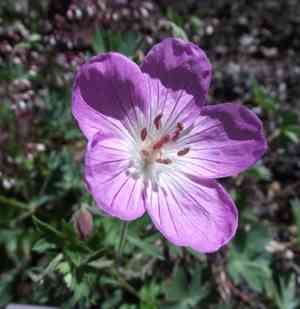
California cranesbill thrives when relocated in the balmier months from late spring through mid-summer, as soil warmth is optimal. Select a site offering partial shade and adequately draining soil to foster robust development. Maintain steady hydration, avoiding excessive saturation.
What Preparations are Needed Before Transplanting California Cranesbill?
What is the Ideal Time for Transplanting California Cranesbill?
California cranesbill, a perennial plant, is best moved in late spring to early summer. This period offers moderate temperatures and sufficient moisture, aiding root establishment before intense summer heat. Transplanting then ensures vigorous growth and improved resilience, maximizing the plant's potential to flourish.
How Much Space Should You Leave Between California Cranesbill Plants?
California cranesbill should be positioned 12-24 inches (30-60 cm) apart to provide ample room for development. This ensures they have enough space to thrive and avoid resource competition. Plan your garden layout before planting to visualize the spacing.
What is the Best Soil Mix for California Cranesbill Transplanting?
Utilize well-draining soil for california cranesbill. A blend of loam and sand works effectively. Prepare the soil by incorporating compost or a balanced 10-10-10 (N-P-K) fertilizer to supply essential nutrients and promote healthy growth.
Where Should You Relocate Your California Cranesbill?
Select a site with full sun to partial shade for relocating california cranesbill. They flourish with at least 6 hours of daily sunlight. Ensure the location offers some afternoon shade if you reside in an area with strong summer sun.
What Equipments Should You Prepare Before Transplantation California Cranesbill?
Gardening Gloves
To safeguard your hands while handling soil and plants.
Shovel or Spade
For digging around and lifting the plant.
Trowel
For more precise digging and manipulation.
Watering Can or Hose
To hydrate the plant before and after relocation.
Mulch
To cover the soil surrounding the plant to help retain moisture.
Pruning Shears
To trim any damaged roots or foliage during the transplanting process.
How Do You Remove California Cranesbill from the Soil?
How Do You Remove California Cranesbill from the Soil?
From Ground: First, water the california cranesbill plant to moisten the soil. Then, dig a wide trench around the plant using a shovel or spade, ensuring the plant's root ball remains intact. Carefully work the spade under the root ball to lift the plant from its original location.From Pot: Water the california cranesbill plant thoroughly to make the soil easier to manage. Gently tap the sides of the pot to loosen the soil. Invert the pot, supporting the plant with your hand, and carefully pull the pot away from the root ball.From Seedling Tray: Water the seedlings to ensure the soil is damp. Use a small trowel or your fingers to gently loosen each seedlingâs root ball from the tray. Carefully lift the seedling by the leaves to avoid damaging the stem.
Step-by-Step Guide for Transplanting California Cranesbill
Prepare New Site
Choose a location with suitable conditions for your california cranesbill plant. Dig a hole that is twice as wide and the same depth as the plantâs root ball.
Removal
Follow the appropriate method from the removal process for extracting the california cranesbill from its original location.
Inspection
Examine the root ball for damaged or circling roots. Trim off any compromised parts with pruning shears, and gently untangle any coiled roots.
Planting
Position the california cranesbill in the prepared hole. Ensure the top of the root ball is level with the surrounding soil surface. Backfill the hole with soil, gently firming it around the roots to eliminate any air pockets.
Watering
Water the california cranesbill thoroughly after planting to help settle the soil around the roots.
Mulching
Spread a layer of mulch around the base of the plant to help retain moisture and regulate soil temperature.
How Do You Care For California Cranesbill After Transplanting?
Watering
Keep the soil around the california cranesbill consistently moist, but not waterlogged, for the initial weeks after transplanting to aid in strong root establishment.
Monitoring
Check the plant regularly for signs of stress, such as wilting or yellowing leaves, and adjust care routines as necessary.
Mulch Maintenance
Ensure the mulch layer remains intact and replenish it if it becomes thin to maintain soil moisture levels.
Weeding
Remove weeds around the california cranesbill to reduce competition for nutrients and water.
Troubleshooting Common Issues with California Cranesbill Transplantation.
When should I transplant california cranesbill?
Relocate california cranesbill during late spring to mid-summer for optimal growth and establishment.
How far apart should I space california cranesbill?
Space california cranesbill plants 12-24 inches (30-60 cm) apart to ensure they have room to grow.
What soil type is best for california cranesbill?
California cranesbill thrives in well-draining, slightly acidic to neutral soil. Amend with compost if needed.
How deep should I plant california cranesbill?
Plant california cranesbill at the same depth it was growing in its original container. Don't plant too deep.
Can I transplant california cranesbill in the fall?
It's best to avoid fall transplanting, as california cranesbill establishes better when planted in warmer months.
Do I need to water california cranesbill after transplanting?
Yes, water california cranesbill well after transplanting to help it settle and reduce transplant shock.
How can I reduce transplant shock for california cranesbill?
Minimize root disturbance and keep the soil consistently moist after transplanting to reduce shock.
Should I mulch around california cranesbill after transplanting?
Applying mulch around california cranesbill helps retain soil moisture and regulate temperature.
How much sunlight does california cranesbill need?
California cranesbill prefers partial to full sun. Ensure it gets 4-6 hours of sunlight daily.
Can I fertilize california cranesbill after transplanting?
Wait a few weeks after transplanting california cranesbill before applying a balanced fertilizer to support growth.



