How to Propagate California cranesbill?
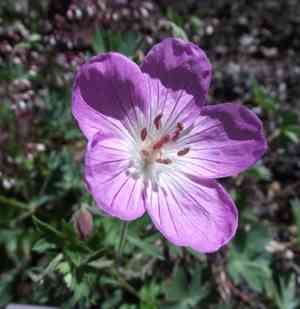
Geranium californicum is a perennial plant indigenous to California. It flourishes optimally in soil that drains effectively and receives partial sunlight. For propagation, disperse seeds into a prepared seedbed or pot, making certain the substrate is damp yet not oversaturated. Maintain a cool atmosphere and supply sufficient illumination. Relocate the young plants once they have produced several pairs of mature leaves. This species benefits from limited interference during its initial developmental phases to ensure successful rooting.
Optimal Period for California Cranesbill Propagation
Propagation Method
Seeding
Propagation Season
Spring
Tools Required for California Cranesbill Propagation
Seed Tray
A seed tray offers a controlled setting for planting california cranesbill seeds, keeping them contained for easier handling. It also facilitates even watering and proper drainage, crucial for the initial growth phases of seedlings.
Seed Starting Mix
This medium is vital for california cranesbill's seeds as it supplies the correct nutrient balance, moisture retention, and drainage properties necessary for germination. Unlike standard soil, it minimizes the risk of diseases and pests that can hinder seedling development.
Mister or Spray Bottle
A mister helps maintain ideal moisture levels for california cranesbill seeds without causing waterlogging or dislodging seeds. Consistent moisture is essential for successful germination, and a gentle spray ensures delicate seeds and emerging sprouts remain undisturbed.
Labeling Stakes
Labeling stakes are important for tracking the progress of california cranesbill seeds throughout the propagation period. Accurate labeling allows gardeners to monitor conditions like germination rates and ensures proper care for each specific plant batch.
Heat Mat
A heat mat provides consistent warmth from below, which can speed up germination by maintaining an optimal temperature range. For california cranesbill, a stable and warm environment can improve the germination rate and reduce variability.
Humidity Dome
A humidity dome helps maintain a higher humidity environment to ensure consistent moisture levels around california cranesbill seeds. This prevents the seeds from drying out, a critical factor during the initial stages of germination.
Fine Mesh Sieve
A fine mesh sieve is useful for evenly distributing soil or seed starting mix over california cranesbill seeds, ensuring they are lightly covered without being buried too deeply. This promotes even light exposure and aids in uniform germination.
How to Propagate California Cranesbill?
Propagation Type
Easy
How to Care for Your Newly Propagated California Cranesbill?
How to Care for Your Newly Propagated California Cranesbill?
After transplanting, ensure california cranesbill receives consistent moisture until established, especially during dry periods. Plant in well-draining soil in a location that receives partial to full sun. Mulch around the base to retain moisture and control weeds. Provide support as necessary, and prune back after flowering to encourage bushier growth. Monitor for common pests like aphids and treat as needed. Regularly check for signs of disease and ensure good air circulation around the plants.
Common Mistakes to Avoid When Propagating California Cranesbill
Overwatering
Excessive moisture can lead to root rot or fungal infections, which are detrimental to california cranesbill's health and propagation success.
Improper Soil
Using soil that is too dense or heavy can impede drainage, causing the roots to suffocate and potentially rot.
Inadequate Light
Providing insufficient light can weaken the plant and stunt its growth, affecting overall propagation success.
Wrong Cutting Technique
Taking cuttings incorrectly can damage the plant tissue, reducing the chances of successful rooting.
Neglecting Pests
Ignoring pest infestation can cause damage to the plant, making it more difficult to propagate successfully.
Tips For Propagating California Cranesbill
Well-Draining Soil
Use a light, well-draining soil mix to prevent waterlogging and promote healthy root development.
Moderate Watering
Water the cuttings just enough to keep the soil moist but not wet, reducing the risk of rot.
Bright Indirect Light
Place the cuttings in a location with bright, indirect light to encourage robust growth without causing stress.
Clean Cuttings
Use sterilized tools to take cuttings, ensuring they are healthy and free from disease for better rooting success.
Monitor for Pests
Regularly check the cuttings and the mother plant for pests, treating any infestations promptly to maintain plant health.



