How to Transplant Swamp gentian?
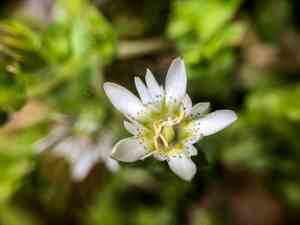
For Swamp gentian, relocation is best performed during the prime period of late summer through mid-autumn to facilitate robust root development. Select a site that is damp yet drains effectively. Post-transplant advice: provide regular irrigation after moving to encourage vigorous growth.
What Preparations are Needed Before Transplanting Swamp Gentian?
What is the Ideal Time for Transplanting Swamp Gentian?
The best time to move swamp gentian, a perennial, is from late summer to mid-autumn. This period offers cooler temperatures and upcoming rain, which help root establishment. Transplanting then minimizes shock and allows swamp gentian to flourish before winter dormancy.
How Much Space Should You Leave Between Swamp Gentian Plants?
When relocating swamp gentian, position each plant 12-18 inches (30-45 cm) apart to allow for growth. This spacing prevents crowding and promotes good air circulation among plants.
What is the Best Soil Mix for Swamp Gentian Transplanting?
Prepare well-draining, slightly acidic to neutral soil for swamp gentian. Incorporating a base fertilizer rich in organic matter, such as compost or manure, can enhance soil nutrients. Aim for a pH of 6.0-7.0.
Where Should You Relocate Your Swamp Gentian?
Select a sunny to partially shaded spot for transplanting swamp gentian. These plants thrive with at least 4-6 hours of daily sunlight but can tolerate some shade.
What Equipments Should You Prepare Before Transplantation Swamp Gentian?
Gardening Gloves
To safeguard your hands while handling soil and plants.
Hand Trowel/Spade
For digging around the plant and creating a new planting hole.
Shovel
To assist in lifting larger plants from the ground.
Watering Can
To hydrate the plant before and after its relocation.
Gardening Fork
To loosen soil around plant roots in containers or seedling trays.
Bucket
To temporarily hold the plant if necessary.
Mulch
To help maintain moisture in the new planting site.
How Do You Remove Swamp Gentian from the Soil?
How Do You Remove Swamp Gentian from the Soil?
From Ground: First, moisten the soil around the swamp gentian. Then, dig a wide trench around the plant with a shovel or spade, ensuring the root ball stays intact. Carefully work the spade beneath the root ball to lift the plant from its original spot.From Pot: Gently turn the pot sideways and tap the bottom to loosen the plant. Use a hand trowel or gardening fork to carefully extract the plant if needed, avoiding root damage.From Seedling Tray: Use a hand trowel or gardening fork to gently lift the seedling from the tray, taking care to keep the root ball and surrounding soil undisturbed.
Step-by-Step Guide for Transplanting Swamp Gentian
Preparation
Ensure the new planting location is ready by digging a hole twice the width and the same depth as the plant's root ball.
Water the Plant
Thoroughly water the swamp gentian in its current spot an hour before removal to lessen transplant shock.
Removal
Carefully extract the swamp gentian from its original location using the appropriate method described above.
Transport
If required, temporarily place the swamp gentian in a bucket with some soil and water for transport to the new site.
Planting
Position the swamp gentian in the prepared hole, ensuring the top of the root ball is level with the surrounding soil. Backfill around the root ball with soil, gently firming it down.
Watering
Immediately water the swamp gentian thoroughly after planting to help settle the soil around its roots.
Mulching
Apply a layer of mulch around the plant's base to retain moisture and suppress weeds.
How Do You Care For Swamp Gentian After Transplanting?
Watering
Keep the soil around the swamp gentian consistently moist, but not waterlogged, for the initial weeks post-transplant to aid in strong root development.
Monitoring
Regularly check the plant for signs of distress, such as wilting or yellowing leaves, and adjust care as necessary.
Mulching
Reapply mulch as needed to maintain a consistent layer around the plant's base.
Troubleshooting Common Issues with Swamp Gentian Transplantation.
When is the best time to transplant swamp gentian?
Late summer, early fall, and mid-fall are optimal for relocating swamp gentian.
How should I prepare the soil for swamp gentian?
Ensure well-draining soil, enriched with compost, and a pH between 5.5 and 7.0.
What's the ideal spacing for swamp gentian?
Space the plants 12-18 inches (30-45 cm) apart for optimal growth.
How deep should I plant swamp gentian's roots?
Plant the roots at their original growing depth, approximately 3-4 inches (7-10 cm).
How do I reduce transplant shock for swamp gentian?
Water thoroughly immediately after transplanting and minimize root disturbance.
What's the best soil moisture for new swamp gentian transplants?
Maintain consistently moist, but not waterlogged, soil for the first few weeks.
What's the ideal temperature for transplanting swamp gentian?
Transplant in temperatures between 60-70°F (15-21°C) for best outcomes.
Should I prune swamp gentian before transplanting?
Yes, trim back foliage to reduce water loss and plant stress.
Can I use fertilizer when transplanting swamp gentian?
Use a balanced, slow-release fertilizer to provide steady nutrition during establishment.
How do I prevent pests when transplanting swamp gentian?
Inspect for pests before transplanting and remove any visible ones. Use organic pest control if necessary.



