How to Propagate Swamp gentian?
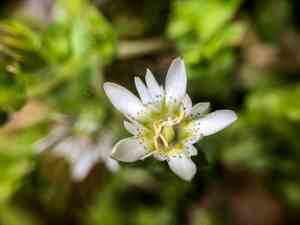
The beautiful flowering plant, Swamp gentian, flourishes in marshy environments. Effective propagation entails planting seeds, preferably in damp, nutrient-rich earth to replicate its native setting. Make certain the seeds receive light, as this facilitates sprouting. Perseverance is essential, given that germination may be protracted. Steady hydration is vital, yet prevent saturation. Developing seedlings require safeguarding from harsh elements to guarantee robust development.
Optimal Period for Propagating Swamp Gentian
Propagation Method
Seeding
Propagation Period
Spring
Tools Required for Swamp Gentian Propagation
Seed Tray
Seed trays offer a regulated setting for planting swamp gentian seeds. They help ensure seeds are in a uniform medium, crucial for consistent sprouting. Utilizing a seed tray also simplifies monitoring moisture levels and seedling growth.
Potting Soil
Premium potting soil is vital when planting swamp gentian seeds. It supplies essential nutrients and the perfect pH balance for successful germination. A well-draining soil mix is key, as swamp gentian prefers damp conditions but not waterlogging.
Humidity Dome
A humidity dome placed over the seed tray can help maintain the desired moisture level, which benefits swamp gentian germination. This keeps the environment humid and warm, mimicking natural conditions needed for seed sprouting.
Spray Bottle
A spray bottle is used to gently mist the soil surface, ensuring swamp gentian seeds receive adequate moisture without being displaced. This tool helps maintain consistent moisture levels, critical for successful seed germination.
Heating Mat
A heating mat positioned beneath the seed tray can provide steady bottom heat, which can accelerate the germination process for swamp gentian. This is especially useful in colder climates or during early spring planting.
Seedling Labels
Using labels for each section of the seed tray helps track different germination stages and prevent confusion. This aids in organizing and monitoring the progress of swamp gentian seeds.
Transplanting Tool
A transplanting tool, such as a dibber or small trowel, is useful for carefully moving swamp gentian seedlings from the seed tray into individual pots or the garden bed without harming their delicate roots.
How to Propagate Swamp Gentian?
Propagation Type
Simple
Caring for Your Newly Propagated Swamp Gentian
Caring for Your Newly Propagated Swamp Gentian?
Once germinated and large enough to handle, transfer seedlings into individual pots with a well-draining soil mix. Gradually introduce young plants to outdoor conditions. Keep the soil moist but avoid saturation. Ensure they receive partial sunlight and protect them from extreme heat. Fertilize sparingly, as swamp gentian prefers low-nutrient conditions. Monitor for pests and diseases, and provide good air circulation to prevent fungal issues.
Common Errors to Avoid When Propagating Swamp Gentian
Overwatering
Excessive moisture can lead to root rot, severely impacting the health and development of swamp gentian.
Improper Light Exposure
Insufficient light can impede photosynthesis and overall plant growth, while too much direct sunlight can scorch the leaves.
Poor Soil Drainage
Using soil that retains too much water can cause pooling and root diseases.
Incorrect pH Levels
Soil that is either too acidic or too alkaline can hinder nutrient absorption, stunting swamp gentian growth.
Neglecting Humidity Requirements
Ignoring humidity needs can cause the plant to wilt or dry out, affecting its development.
Tips For Propagating Swamp Gentian
Use Well-Draining Soil
Ensure the soil mixture drains effectively to prevent waterlogging and root rot.
Maintain Consistent Moisture
Keep the soil uniformly moist but not waterlogged, as swamp gentian thrives in a damp environment.
Provide Partial Shade
Position swamp gentian in a spot with partial shade to shield it from intense direct sunlight that can cause leaf burn.
Monitor Soil pH
Utilize slightly acidic to neutral soil (pH 5.5 to 7.0) to optimize nutrient availability and plant vitality.
Maintain High Humidity
Keep humidity levels relatively elevated to support the plant's natural growing conditions and prevent desiccation.



