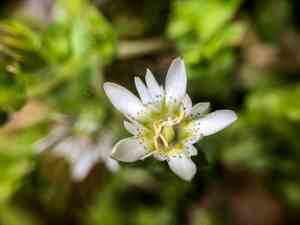
Swamp gentian (Gentiana douglasiana)
Also known as: Douglas' gentian
Swamp gentian is notable for its striking blue to violet, trumpet-shaped flowers that bloom from midsummer to early fall. This low-growing perennial has narrow, lance-shaped leaves. It thrives in moist, well-drained environments such as meadows and open woodlands. Preferring cool, temperate climates, swamp gentian is often found in alpine garden settings. Its vibrant flowers make it a standout in these habitats.
In This Article
Attributes of Swamp gentian
Lifespan
Perennial
Plant Type
Herb
Plant Height
15-30 cm
Spread
N/A, as herbaceous plants typically do not have a crown diameter
Leaf Color
Green
Flower Size
2-5 cm
Flower Color
Blue to purple
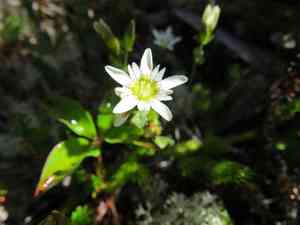
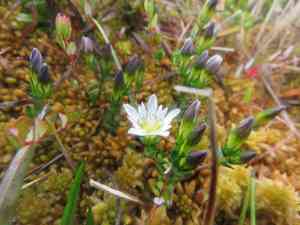
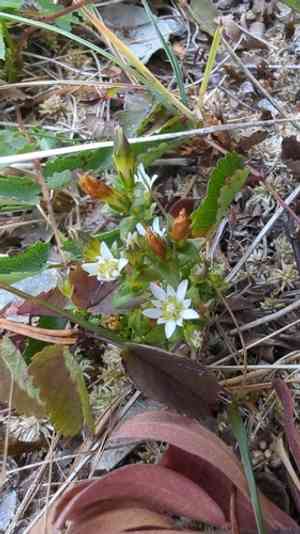
Images of Swamp gentian
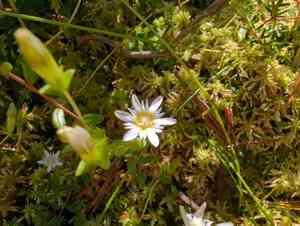
Quickly Identify Swamp gentian
1
The plant can be identified by its lance-shaped leaves and tubular blue to purple flowers which bloom in late summer to early fall. It often grows in clumps and has a height of up to 30 cm.
Scientific Classification of Swamp gentian
Phylum
Vascular plants
Class
Dicotyledons
Order
Gentianales
Family
Gentian
Genus
Gentian
Species
Swamp gentian
Planting and Growing of Swamp gentian
Care Difficulty
Moderate
Watering Schedule
Every 3 days
Sunlight Requirements
Partial sun
Sunshine Duration
4-8 hours
Ideal Temperature
50-68℉
Soil Type
Potting Mix, Peat Mix
Soil pH
6.5-7.5
Fertilizer Type
Balanced
Pruning Season
Spring, Summer
Pruning Area
Branches, Leaves
Pruning Frequency
2 times a year
Repotting Season
Spring
Pot Type
Plastic, Ceramic
 How to Water Swamp gentian?
For Gentiana douglasiana, water deeply enough so that the soil is evenly moist, around 500 ml per watering. The goal is to reach a balance where the roots receive adequate water without causing waterlogging, ensuring the soil stays moist but not saturated.
What are the symptoms of an underwatered Swamp gentian?
›
What should I do if my Swamp gentian is not getting enough water?
›
What are the symptoms of an overwatered Swamp gentian?
›
How to save an overwatered Swamp gentian?
›
 What Are the Sunlight Requirements for Swamp gentian?
Gentiana douglasiana should ideally receive partial sun to ensure dappled light exposure, which supports energy-intensive processes like photosynthesis while avoiding dehydration and stress, ensuring vibrant flowering and robust growth.
How much sun does Gentiana douglasiana need?
›
What if the plant gets too much sun?
›
What occurs when Gentiana douglasiana receives sufficient light?
›
 What Is the Ideal Temperature Range for Swamp gentian?
The ideal temperature range for Gentiana douglasiana is between 50°F and 68°F. This range provides optimal conditions for growth and flowering, ensuring the plant can develop its vibrant blue blooms.
 What Soil is Best for Swamp gentian?
Gentiana douglasiana thrives in well-drained soils, which prevent waterlogging that can lead to root rot. This requirement ensures the roots have access to the oxygen they need, promoting healthy growth. This plant flourishes in nutrient-rich soils that supply essential minerals and nutrients, supporting robust growth and vibrant flowers. Regularly enriching the soil with organic matter can fulfill this need. While drainage is crucial, the soil should also retain enough moisture to support Gentiana douglasiana's hydration needs, especially during dry spells. Mulching can help maintain the balance of moisture retention.
 How to Fertilize Swamp gentian?
For Gentiana douglasiana, it's important to apply fertilizer sparingly, as it thrives in nutrient-poor soils. Use a dilute solution of liquid fertilizer, mixing one part fertilizer to four parts water, ensuring you don't overwhelm the plant's roots with concentrated nutrients.
 How to Prune Swamp gentian?
Begin by inspecting the plant and identifying dead or damaged stems. Use clean, sharp shears to cut these parts back to the base, ensuring a clean cut to prevent disease. Trim back any overly long stems to maintain a balanced shape, always cutting just above a leaf node to encourage bushier growth. It's essential to prune early in the day when the plant is well-hydrated, ensuring quick recovery.
More About Pruning Techniques→
 How to Propagate Swamp gentian plant?
1
Start by filling the seed tray with moistened soil. Sow the seeds evenly across the surface, covering them lightly with a fine layer of soil. Keep the tray in a warm, bright location out of direct sunlight.
2
Select healthy, non-flowering stems and cut below a node. Remove any leaves from the lower third of the cutting. Dip the cut end in rooting hormone to promote root development.
3
Carefully dig up the mature plant and gently separate the root clusters with your hands or a sharp knife. Replant the divisions immediately into prepared soil at the same depth they were growing.
 How to Repot Swamp gentian plant?
1
Gentiana douglasiana shows signs of needing a repot when its growth appears stunted or roots are seen crowding the drainage holes. This usually indicates the plant has outgrown its current pot. Generally, spring and autumn are ideal times as the plant is not actively growing, minimizing stress during the transition.
2
Select a pot one size larger than the current one, ensuring it has adequate drainage holes. This prevents waterlogging, encouraging healthy root growth and reducing the risk of root rot. Gentiana prefers stable conditions, so choose a pot material that provides good insulation to keep roots at an even temperature.
3
Opt for well-drained loamy soil with good aeration to promote root health. Incorporate a bit of organic matter, like leaf mold or compost, to enhance nutrient content and improve soil texture, which supports robust root development and healthier plant growth.
Learn More About Swamp gentian Diseases
Anthracnose
Bacterial Leaf Spot
Bacterial Soft Rot
Bacterial Wilt
Cyst Nematode
Damping-off
Downy Mildew
Drought Stress
Fusarium Wilt
Gray Mold
Leaf Spot
Mosaic
Nutrient Deficiency
Nutrient Toxicity
Powdery Mildew
Root Rot
Root-knot Nematode
Rusts
Sooty Mold
Spider Mites
Temperature Stress
Thrips Damage
White Mold



