How to Transplant Pine barren gentian?
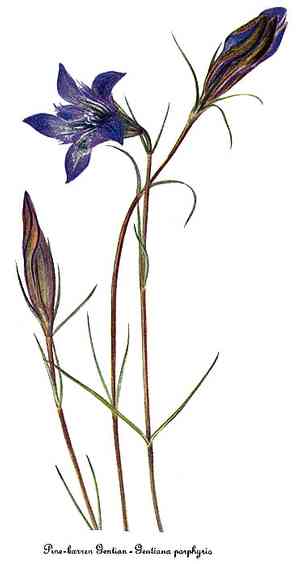
Pine barren gentian flourishes when relocated between the beginning and end of summer, benefiting from temperate conditions. To achieve peak development, select a site with ample sunlight or partial shade and good drainage. Facilitate a smooth transition by providing steady hydration and minimizing root agitation.
What Preparations are Needed Before Transplanting Pine Barren Gentian?
What is the Ideal Time for Transplanting Pine Barren Gentian?
The best time to move pine barren gentian is from the start of early summer until the end of late summer. Moving them during this period allows the plant to establish roots in warm soil before cooler autumn temperatures arrive. Additionally, longer daylight hours and consistent moisture levels support pine barren gentian's successful adjustment, leading to strong growth and blooming.
How Much Space Should You Leave Between Pine Barren Gentian Plants?
For pine barren gentian, aim to space your plants about 12-15 inches (30-38 cm) apart. This provides ample room for growth and ensures good air circulation, reducing the risk of disease.
What is the Best Soil Mix for Pine Barren Gentian Transplanting?
Prepare well-draining, acidic sandy soil with a pH of 4.5-5.5 for pine barren gentian. A balanced 10-10-10 NPK base fertilizer can help supply essential nutrients.
Where Should You Relocate Your Pine Barren Gentian?
Choose a location for pine barren gentian that receives full sun to partial shade. Ensure they get at least 6 hours of sunlight daily for optimal growth.
What Equipments Should You Prepare Before Transplantation Pine Barren Gentian?
Gardening Gloves
To protect your hands while working with the soil and plant material.
Shovel or Spade
To excavate the plant from its original spot and prepare the new planting area.
Hand Trowel
For smaller tasks, such as digging around a seedling tray or pot.
Watering Can or Hose
To hydrate the plant before and after relocation.
Pruning Shears
To trim any damaged roots or foliage during the transplanting process.
Mulch
To help retain moisture in the soil after transplanting.
How Do You Remove Pine Barren Gentian from the Soil?
How Do You Remove Pine Barren Gentian from the Soil?
From Ground: First, water the pine barren gentian plant to moisten the soil. Then, dig a wide trench around the plant using a shovel or spade, ensuring the plant's root ball remains intact. Carefully work the spade under the root ball to lift the plant from its original location.From Pot: Water the pine barren gentian plant thoroughly. Gently turn the pot sideways and tap the sides to loosen the soil. Carefully pull the plant out by holding the base of the stem. If the plant is root-bound, gently separate the roots.From Seedling Tray: Water the seedlings to make the soil easier to work with. Use a hand trowel to carefully lift each seedling from the tray, ensuring you get as much of the root system as possible.
Step-by-Step Guide for Transplanting Pine Barren Gentian
Preparation
Ensure all necessary tools and materials are ready at your transplanting site.
Site Preparation
Dig a hole that is twice as wide and the same depth as the root ball of the pine barren gentian plant.
Planting
Place the pine barren gentian plant in the hole, ensuring it sits at the same depth as it was in its original location. Fill the hole with soil, pressing gently to eliminate air pockets.
Watering
Water the plant thoroughly to help settle the soil around the roots.
Mulching
Apply a layer of mulch around the base of the pine barren gentian plant to help maintain soil moisture and prevent weed growth.
How Do You Care For Pine Barren Gentian After Transplanting?
Watering
Keep the soil around the pine barren gentian consistently moist, but not soggy, for the first few weeks after transplanting to help establish strong roots.
Monitoring
Keep an eye on the plant for signs of stress, such as wilting or yellowing leaves, and address any issues promptly.
Pruning
Remove any damaged or dead foliage to encourage healthy growth.
Protection
If necessary, use garden supports or stakes to protect the plant from strong winds or other environmental factors while it establishes itself.
Troubleshooting Common Issues with Pine Barren Gentian Transplantation.
When is the best time to transplant pine barren gentian?
Early summer to late summer is the best time for transplanting pine barren gentian.
What soil type is ideal for pine barren gentian?
Pine barren gentian thrives in well-drained, sandy soil with acidic pH.
How much should you space pine barren gentian when transplanting?
Space pine barren gentian approximately 12-15 inches (30-38 cm) apart for better growth.
How should I prepare the soil before transplanting pine barren gentian?
Loosen the soil to a depth of 10 inches (25 cm) and amend with organic matter.
How do I care for pine barren gentian immediately after transplanting?
Water thoroughly post-transplant and keep the soil moist, but not waterlogged.
Should pine barren gentian be shaded immediately after transplanting?
Provide partial shade initially to help pine barren gentian adapt to the new environment.
Whatâs the best watering schedule for pine barren gentian?
Water pine barren gentian deeply once a week, ensuring the soil remains moist but not soggy.
How do I prevent transplant shock in pine barren gentian?
Water well, avoid root disturbance, and provide a layer of mulch to reduce stress.
Can I transplant pine barren gentian in the spring?
Itâs better to transplant pine barren gentian from early summer to late summer for optimal results.
Should I fertilize pine barren gentian after transplanting?
Avoid fertilizing immediately after transplanting; wait until new growth appears.



