How to Propagate Pine barren gentian?
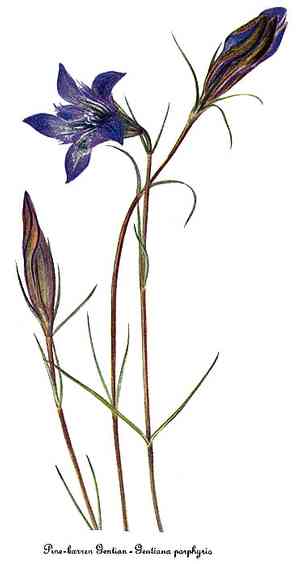
Pine barren gentian flourishes most effectively when reproduced by seeding. For successful cultivation, guarantee the utilization of porous, sandy substrate, replicating its native environment. Seeding ought to occur in a brightly lit spot to stimulate sprouting, which benefits from steady hydration without becoming waterlogged. Meticulously tend to the young plants to lessen rivalry and provide sufficient room for root expansion, thereby improving general plant vigor and flowering prospects.
Optimal Period for Pine Barren Gentian Propagation
Propagation Type
Sowing
Propagation Season
Spring
Tools for Pine Barren Gentian Propagation
Seed Trays
Seed trays offer an organized, compact space for sowing pine barren gentian seeds. Their flat surface ensures efficient space utilization and uniform light distribution, vital for germination.
Fine-grained Seed Starting Mix
This medium is specifically formulated to provide excellent drainage and aeration, crucial for the delicate pine barren gentian seeds. It prevents waterlogging and encourages robust root development during germination.
Misting Bottle
A misting bottle allows for gentle watering that won't dislodge or bury the tiny pine barren gentian seeds. Consistent moisture from misting is essential for germination without soil erosion or seed disturbance.
Light Source (e.g., Grow Light)
Grow lights provide consistent and sufficient illumination for pine barren gentian during its early growth stages, which is critical when natural light conditions are inadequate or inconsistent.
Propagating Pine Barren Gentian
Propagation Type
Easy
Caring for Newly Propagated Pine Barren Gentian
Caring for Newly Propagated Pine Barren Gentian
Once seedlings appear, gradually introduce them to outdoor conditions if germinated indoors. Transplant them into a garden setting that mimics their natural environment, ideally in acidic, well-drained soil with partial sun. Water regularly to keep the soil moist, but avoid overwatering. As pine barren gentian is adapted to a specific ecological niche, refrain from using nutrient-rich fertilizers that could hinder its growth and flowering.
Common Propagation Mistakes for Pine Barren Gentian
Overwatering
Overwatering can cause root rot in pine barren gentian, as it prefers well-drained soil. Excess water removes air pockets in the soil, suffocating roots and potentially leading to fungal infections.
Using poor draining soil
Poor draining soil can lead to water accumulation around pine barren gentian roots, which is problematic as this plant thrives in well-drained environments. Accumulated moisture can promote fungal growth and disease.
Excessive handling during transfer
Handling pine barren gentian too much during transplantation can damage its delicate root system, causing transplant shock. This shock can impede root development and slow the plant's overall growth.
Ignoring pH requirements
Failing to maintain a slightly acidic to neutral soil pH for pine barren gentian can hinder nutrient absorption, affecting the plant's growth and flower production. Inappropriate pH can also increase disease susceptibility.
Tips For Propagating Pine Barren Gentian
Mimic natural habitat conditions
Since pine barren gentian is native to pine barrens, replicating these conditions with sandy, well-drained soils and occasional watering will enhance propagation success. This supports healthy growth and mirrors the plantâs natural environment.
Use the root division method carefully
Gently dividing the roots of pine barren gentian during its dormant period promotes better growth and minimizes plant stress. Ensure each division has sufficient roots to sustain itself, fostering successful propagation.
Maintain high humidity
Maintaining high environmental humidity around pine barren gentian during propagation helps prevent foliage moisture loss, supporting new growth without risking root problems associated with direct soil overwatering.
Ensure proper depth when replanting
Planting pine barren gentian at the correct depth is crucial. The plant's crown should be at or slightly below the soil surface to avoid stem rot or burying it too deeply, which can hinder its growth.



