How to Prune Pine barren gentian?
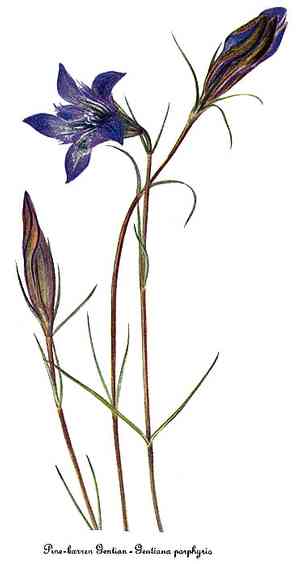
Recognized for its vivid azure blossoms, pine barren gentian thrives most effectively when trimmed in late spring or early summer subsequent to its blooming period. Eliminate spent or wilting flowers to stimulate a subsequent flowering and preserve the plant's well-being. Cutting back faded flowers redirects vitality towards root and foliage development, thereby boosting general strength and future bloom prospects for the subsequent year. Performing pruning during the suggested intervals corresponds with pine barren gentian's inherent growth pattern, fostering a vigorous and abundant floral exhibition.
Advantages of Trimming Pine Barren Gentian
Advantages of Trimming Pine Barren Gentian
Trimming pine barren gentian promotes robust development and maintains its compact form, vital for thriving in its native environment. Strategic cuts aid in plant revitalization, fostering a stronger and more visually appealing structure.
Optimal Period for Pruning Pine Barren Gentian
Optimal Period for Pruning Pine Barren Gentian
Pruning pine barren gentian during Spring and Summer is ideal as these seasons follow its dormant winter phase, allowing the plant to recover and grow efficiently after trimming. Spring pruning, particularly, helps in removing any dead or damaged parts that have occurred due to winter conditions, thus preparing pine barren gentian for new growth. Summer pruning should be light, mainly to shape the plant or manage its size, ensuring it doesn't expend energy on unwanted growth. Maintaining health during these seasons is crucial since pine barren gentian flowers in the fall; optimal pruning helps in promoting better flowering and overall vigor of the plant.
Required Tools for Pruning Pine Barren Gentian
Micro-tip pruning snips
These are perfect for making precise, clean cuts on the delicate stems of pine barren gentian without harming the plant's structure.
Bypass pruners
These pruners are effective for slightly thicker stems of pine barren gentian, enabling clean cuts that promote rapid healing.
Gardening gloves
Gloves safeguard the gardener's hands from thorns and prevent the spread of disease between plants during pruning tasks.
How to Prune Pine Barren Gentian
Inspect
Carefully examine pine barren gentian for any indications of disease or decay. Focus on identifying diseased leaves and stems, as well as any that appear withered or unhealthy.
Sanitize
Before starting pruning, disinfect all pruning tools. This prevents the spread of disease between plants and ensures that cuts are clean and smooth.
Remove diseased leaves
Using sanitized pruning shears, selectively remove all diseased and withered leaves from pine barren gentian. Make cuts close to the stem, taking care not to damage healthy parts of the plant.
Cut diseased stems
Carefully prune away any diseased stems on pine barren gentian. Make cuts at an angle, just above a healthy leaf node to encourage new growth. Ensure each cut is clean to promote quick healing.
Dispose
Properly dispose of all removed parts in order to prevent any potential re-infection or infestation. Do not compost diseased material.
Common Pruning Errors with Pine Barren Gentian
Over-pruning
A frequent mistake is removing too much foliage from pine barren gentian, which can substantially weaken the plant. This species does not respond well to aggressive cutting back, as it can hinder its ability to photosynthesize and store energy for growth and blooming.
Wrong technique
Using improper tools or techniques can damage the delicate stems of pine barren gentian. Jagged cuts or tears in the plant tissue can lead to infections or pests, compromising the plant's health.
Ignoring dead or damaged stems
Failing to remove dead or damaged stems can lead to disease and inhibit the overall vitality of pine barren gentian. This neglect prevents the plant from directing its energy towards healthy growth.
General Pruning Advice for Pine Barren Gentian
Sharp tools
Always use sharp, clean pruning shears or scissors. Sharp tools ensure clean cuts that heal quickly, reducing the risk of disease.
Selective pruning
Focus on thinning out only the dead or overly crowded stems. This helps to improve air circulation and light penetration, which are crucial for the health and flowering of pine barren gentian.
Maintenance pruning
Regularly remove dead flowers and damaged or diseased stems. This not only keeps pine barren gentian looking tidy but also encourages new growth and prolongs the flowering period.
Minimal pruning
Since pine barren gentian is sensitive to heavy pruning, it is essential to prune sparingly. Removing too much can stress the plant, so aim to maintain its natural shape and density without over-thinning.



