How to Transplant Vito?
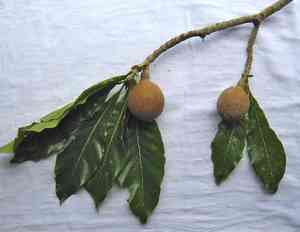
The ideal period for relocating vito is during its vigorous growth phase, spanning from mid-to-late spring, which enables root systems to become established in moderate environments. Select a site featuring soil that drains effectively and offers partial shade to complete sun exposure. Careful manipulation is crucial to prevent root trauma.
Essential Preparations Before Relocating Vito?
Optimal Timing for Transplanting Vito?
The best time to move vito is when spring is well underway. This period ensures the ground is warm, allowing roots to establish easily. Relocating vito during this season maximizes its potential for vigorous growth, as the mild weather and increasing daylight hours create ideal conditions for root development and adaptation.
Recommended Spacing Between Vito Plants?
Hello, gardening enthusiast! Before moving your vito, ensure they have ample room to thrive. Aim to space them approximately 15-20 feet apart (4.5-6 meters). This will provide each plant sufficient area for root expansion and overall growth.
Ideal Soil Mixture for Vito Transplantation?
To give your vito the best start, prepare a well-draining soil blend, enriched with organic compost. A quality all-purpose fertilizer will provide the necessary nutritional boost. Simply follow the package directions for the correct application amount.
Optimal Location for Your Vito?
Your vito loves sunlight! Select a sunny spot in your garden that receives at least 6 hours of direct sun daily. This bright location will help your vito flourish and produce beautiful blooms.
Equipment Needed Before Transplanting Vito?
Gardening Gloves
To safeguard your hands while handling soil and the plant.
Shovel or Spade
For excavating the vito plant and preparing the new planting site.
Watering Can or Hose
To thoroughly hydrate the vito before and after its relocation.
Wheelbarrow or Garden Cart
To transport the vito from its original spot to the new planting area.
Pruning Shears
To trim any damaged roots or foliage prior to transplanting.
Mulch
To apply around the base of the vito post-transplant to help retain moisture.
Plant Support Stake
To offer support to the vito if required after its relocation.
Method for Removing Vito from the Soil?
Method for Removing Vito from the Soil?
From Ground: Hydrate the vito plant to moisten the surrounding soil. Use a shovel or spade to dig a wide, deep trench around the plant, being careful to avoid harming the root ball. Gently loosen the roots from the surrounding earth and lift the vito with the soil clump onto the wheelbarrow or garden cart for transport.From Pot: Water the vito in its container before beginning. Carefully tilt the pot sideways and gently tap or press on the sides to loosen the soil. Support the vito by its base and carefully ease the plant out, preserving the root ball's integrity.From Seedling Tray: Water the seedlings to make the soil damp. Use a small tool, such as a dibber or a spoon, to gently lift individual vito seedlings while retaining as much soil around the roots as possible.
Step-by-Step Guide for Relocating Vito
Prepare the New Location
Dig a hole that is twice as wide and the same depth as the vito's root ball.
Prune if Necessary
Use pruning shears to remove any dead or damaged roots or leaves from the vito to encourage healthy development.
Move the vito
Carefully place the vito into the wheelbarrow or garden cart and transport it to the new site, minimizing the time the roots are exposed to air.
Positioning the vito
Place the vito in the center of the hole at the same depth it was originally growing. Gently spread its roots outwards.
Backfill the Hole
Fill the hole with soil around the root ball, tamping it down lightly to remove air pockets. Water thoroughly to settle the soil.
Stake for Support
If the vito is large or top-heavy, insert a plant support stake next to the root ball and loosely tie the vito to it for additional stability.
Mulch
Apply mulch around the base of the vito to conserve soil moisture and moderate temperature fluctuations.
Post-Transplant Care for Vito?
Initial Watering
Water the vito thoroughly after transplanting and keep the soil consistently moist for the subsequent weeks without over-saturating.
Regular Checks
Monitor the vito for indications of stress, such as wilting or leaf discoloration, and adjust care as required.
Mulch Maintenance
Inspect the mulch regularly and replenish if necessary to maintain a consistent layer.
Staking Adjustments
Adjust the stakes and ties as the vito grows to prevent damage and ensure adequate support.
Monitoring Growth
Observe the vito's development and growth, ensuring it is adapting well to its new environment.
Addressing Common Issues with Vito Transplantation.
When is the best time to transplant vito?
The ideal period to move vito is during mid to late spring, when its growth is most vigorous.
How much space does vito need when transplanting?
Aim for a generous spacing of 15-20 feet (4.5-6 meters) to allow for ample growth and air circulation.
What's the ideal depth for transplanting vito's root ball?
The root ball should be positioned in a hole as deep as its height and twice as wide to encourage growth.
What should I do if vito leaves wilt after transplanting?
Ensure sufficient watering without over-saturating, and provide some shade to alleviate stress while vito acclimates.
Why is my vito not growing after transplanting?
Check for root bound issues, provide consistent hydration, and verify soil quality and compatibility with vito.
How do I protect vito from transplant shock?
Gradually acclimatize vito to outdoor conditions, keep roots moist, and avoid disturbing the root system during planting.
Can I transplant vito in fall or winter?
Transplanting in fall or winter is not recommended; vito establishes best in the warmer, more favorable conditions of spring.
How to ensure proper soil drainage for vito when transplanting?
Incorporate organic matter to improve the soil, and if needed, elevate the planting area to prevent water accumulation.
Why are the leaves of vito turning yellow after transplanting?
Yellowing may indicate over-watering, under-watering, or a nutrient deficiency. Adjust care accordingly and test the soil.
What type of support does vito need post-transplant?
Stake vito if necessary for stability, especially in windy areas, but allow for natural movement to strengthen the trunk.



