How to Prune Vito?
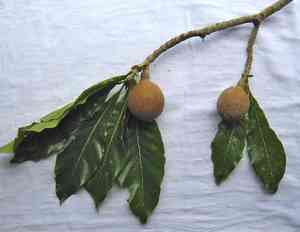
Grown for both its produce and decorative qualities, vito necessitates trimming to preserve its form and well-being. Perform pruning in late winter prior to the onset of spring development. Eliminate deceased or compromised limbs, thin out congested sections for improved light access, and sculpt as preferred. This practice additionally encourages fruit yield. Pruning ought to be moderate, as extensive cuts may diminish fruiting. Sanitize cutting implements to avert the spread of pathogens, thereby enhancing the plant's lifespan and visual charm.
What Are the Benefits of Pruning Vito?
What Are the Benefits of Pruning Vito?
Trimming vito promotes a more plentiful yield by encouraging new development that supports robust fruit formation. It aids in maintaining the desired form and size, ensuring the plant remains vigorous and visually appealing.
What Is the Best Time for Pruning Vito?
What Is the Best Time for Pruning Vito?
The ideal period for pruning vito is during late winter, just prior to the commencement of the spring growth surge. This timing is beneficial as the plant is still dormant, reducing stress and minimizing sap flow, which can attract pests. Pruning vito at this stage allows for the removal of any dead or diseased wood, shaping of the plant, and the promotion of healthier growth and air circulation. Furthermore, since vito flowers and fruits in the summer, late winter pruning ensures that the flowering and fruiting capabilities are not affected, setting the stage for a productive season ahead.
What Tools Do I Need to Prune Vito?
Hand Pruners
Perfect for precise cuts on young or slender branches of vito. Opt for bypass pruners for clean cuts on living wood without crushing plant tissues.
Lopping Shears
Suitable for cutting through thicker branches that hand pruners cannot manage. The extended handles provide leverage to simplify the task.
Pruning Saw
Essential for removing larger branches. A pruning saw can quickly handle limbs too thick for loppers, and its varied tooth design cuts on both the push and pull strokes.
Pole Pruner
Helpful for reaching elevated branches without needing a ladder. This enhances safety when pruning vito and allows for branch removal from the ground.
How to Prune Vito
Clean and Sharpen Tools
Before pruning vito, ensure cutting implements are clean and sharp to prevent disease transmission and to make precise cuts.
Sanitize
To prevent the spread of pathogens when trimming vito, disinfect your pruning tools with alcohol or a bleach solution.
Remove Dead Branches
Carefully remove dead branches from vito by cutting at their point of origin or back to a main limb, avoiding damage to the collar.
Cut Diseased Branches
Identify and trim diseased branches on vito, making cuts well below the affected areas to inhibit further infection.
Dispose
Properly dispose of the removed dead and diseased material from vito to prevent pests and disease in the garden area.
Common Pruning Mistakes with Vito
Over-pruning
Cutting too much at once can stress vito, leading to stunted growth or a weakened plant.
Using dull tools
Dull pruning tools can cause jagged cuts that are more susceptible to diseases and pests.
Pruning too close
Cutting too close to the main stem can damage the plant's central structure.
Ignoring diseased limbs
Failing to remove diseased or damaged limbs can spread the issue to healthy parts of vito.
Neglecting cleanup
Leaving trimmed branches around vito can invite pests and diseases, which can be detrimental.
Inadequate disinfection
Not sanitizing tools between cuttings can spread disease from one part of the plant to another.
Common Pruning Tips for Vito
Sharp clean cuts
Always use sharp, clean tools to make precise cuts, which helps vito heal faster and stay healthy.
Angled cuts
Make angled cuts to prevent water from accumulating on the cut surface, reducing the risk of rot and disease.
Follow natural shape
Maintain the natural shape of vito by pruning strategically without over-thinning.
Remove damaged limbs
Regularly remove any dead or diseased branches to prevent the spread of disease and encourage new growth.
Disinfection practices
Disinfect pruning tools with alcohol or a bleach solution before and after each use to prevent transferring pathogens.
Pruning amount
Prune no more than one-third of vito at a time to avoid shocking the plant and potentially causing growth issues.



