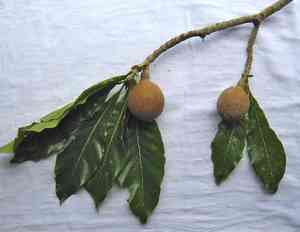
Vito (Genipa americana)
Also known as: Genipap
The Genipa americana, commonly known as the genip tree, is a tropical tree often planted ornamentally in expansive gardens and parks due to its considerable height. Its unripe fruit is utilized to make a dye for traditional skin painting and tattoos. Additionally, the tree's high-quality wood is employed in construction, as well as in crafting furniture and utensils.
In This Article
Attributes of Vito
Lifespan
Perennial
Plant Type
Tree
Plant Height
30 m
Spread
6 to 10 meters (20 to 33 feet)
Leaf Color
Dark green
Flower Size
10 cm
Flower Color
White Yellow Black
Images of Vito
Quickly Identify Vito
1
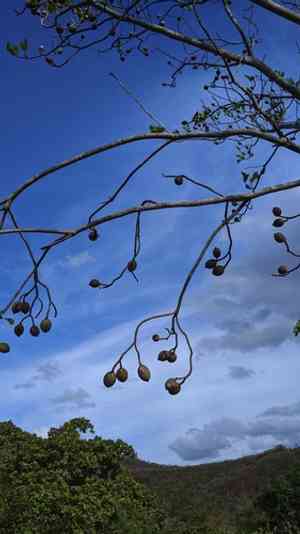
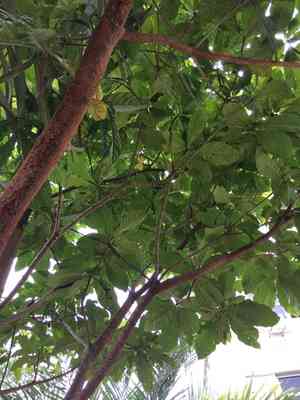
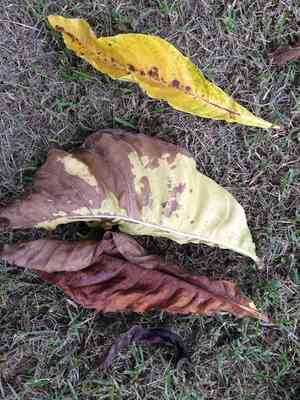
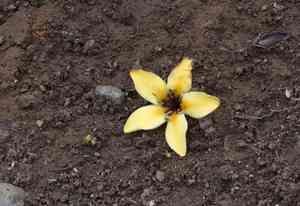
Genipa americana can be identified by its large, glossy leaves, small white to pale blue flowers, and distinctive brownish fruit which turns dark blue when ripe. The fruit\'s juice can stain skin and fabrics permanently.
Scientific Classification of Vito
Phylum
Vascular plants
Class
Dicotyledons
Order
Gentianales
Family
Madder
Genus
Genipa
Species
Vito
Planting and Growing of Vito
Care Difficulty
Easy
Watering Schedule
Every 3 days
Sunlight Requirements
Partial sun
Sunshine Duration
6-12 hours
Ideal Temperature
77-86℉
Soil Type
Potting Mix, Peat Mix
Soil pH
6.5-7.5
Fertilizer Type
Balanced
Pruning Season
Spring, Summer
Pruning Area
Branches, Leaves
Pruning Frequency
2 times a year
Repotting Season
Spring
Pot Type
Plastic, Terracotta
 How to Water Vito?
Genipa americana likes its soil to be consistently moist but not waterlogged. The rule of thumb is to water thoroughly, allowing excess water to drain completely, ensuring the soil retains enough moisture without drowning the roots.
What are the symptoms of an underwatered Vito?
›
What should I do if my Vito is not getting enough water?
›
What are the symptoms of an overwatered Vito?
›
How to save an overwatered Vito?
›
 What Are the Sunlight Requirements for Vito?
Genipa americana thrives best in partial to full sun environments where it can engage in photosynthesis effectively. Adequate sunlight is crucial for maintaining its vigor, promoting strong growth, and enhancing fruit quality.
What is the best location for Genipa americana?
›
How can I ensure Genipa americana gets enough sunlight?
›
What are the benefits of ideal lighting for Genipa americana?
›
 What Is the Ideal Temperature Range for Vito?
The ideal temperature range for growing Genipa americana is between 77°F and 86°F. This range allows for optimal growth and fruiting, as it mimics the plant’s natural tropical environment. At these temperatures, the plant's metabolic processes, such as photosynthesis and respiration, operate efficiently, contributing to its overall health.
 What Soil is Best for Vito?
Genipa americana thrives in nutrient-rich soil that supports its growth and fruit production. The soil should be well-amended with organic matter to supply essential nutrients, enhancing overall plant health and vigor. The soil must have excellent drainage properties to prevent waterlogging, which can lead to root rot. Ensuring adequate drainage helps maintain healthy roots and supports the plant's growth. While drainage is important, the soil should also retain some moisture to support the plant's water needs, especially during dry spells. Proper moisture retention balances hydration, aiding in sustained growth.
 How to Fertilize Vito?
When fertilizing Genipa americana, aim for about 1/4 cup of a balanced, granular fertilizer for each plant. This amount ensures the plant receives essential nutrients without over-fertilization, which could damage its roots. This species thrives with moderate fertilization, balancing between promoting growth and maintaining a healthy root system.
 How to Prune Vito?
When pruning, make cuts at a 45-degree angle just above a node or bud. This technique supports optimal healing and reduces the potential for water accumulation at the cut site, which can attract disease. Start with any dead or diseased branches. 2. Prune back any crossing or rubbing branches to prevent wounds. 3. Trim to open the canopy slightly, ensuring light and air circulation. This aids in preventing fungal growth and allows sunlight to reach inner branches. After pruning, apply a suitable tree sealant to larger cuts if the environment is particularly moist or if pests are a concern. Regularly monitor the tree for any signs of disease or stress following pruning.
More About Pruning Techniques→
 How to Propagate Vito plant?
1
Soak the seeds of Genipa americana in warm water for 24 hours to promote germination. This process will help soften the seed coat, making it easier for the seeds to sprout.
2
Select healthy, disease-free stems for cuttings, ideally those with a length of 4 to 6 inches. Remove any leaves from the lower half of the cutting to reduce moisture loss.
3
After sowing seeds or planting cuttings in the soil or potting mix, maintain consistent moisture levels. Ensure the soil is moist but not waterlogged to prevent rot or fungal diseases.
 How to Repot Vito plant?
1
Repotting Genipa americana should be considered when you notice roots growing out of the drainage holes or the plant exhibiting stunted growth. These are signs that the current pot is too small to accommodate the plant's expanding root system. Performing this task during the active growing seasons, spring or summer, will help the plant recover quickly from the shock of being moved.
2
When selecting a pot for Genipa americana, opt for one that is 2-4 inches larger in diameter than the current one. A pot with drainage holes is ideal to prevent waterlogging, which can lead to root rot. Clay pots provide better aeration for roots, but plastic pots retain moisture more effectively.
3
Genipa americana thrives in well-drained, loamy soil. Such soil composition offers a balanced mixture of sand, silt, and clay, which allows for adequate drainage while retaining enough moisture for root health. Enriching the soil with organic matter can also promote better growth by providing essential nutrients.
Learn More About Vito Diseases
Anthracnose
Bacterial Leaf Spot
Bacterial Wilt
Crown Gall
Damping-off
Downy Mildew
Drought Stress
Fusarium Wilt
Gray Mold
Leaf Curl
Leaf Spot
Mosaic
Nutrient Deficiency
Nutrient Toxicity
Powdery Mildew
Root Rot
Root-knot Nematode
Rusts
Sooty Mold
Spider Mites
Temperature Stress
Thrips Damage
White Mold
Chemical Injury



