How to Transplant Treasure flower?
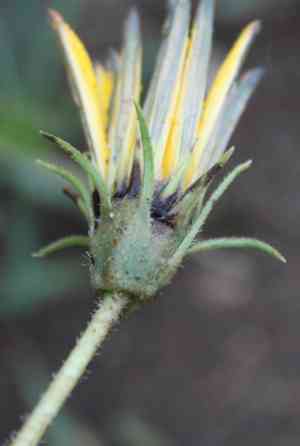
The arrival of warmer temperatures in early spring presents an ideal opportunity to relocate treasure flower, fostering vigorous development. Place treasure flower in a brightly lit area with soil that drains effectively, and during the transplanting process, guarantee minimal disruption to the roots for optimal settling.
Essential Preparations Before Relocating Treasure Flower?
Optimal Timing for Moving Treasure Flower?
The beginning of the growing period, typically following the final frost, is perfect for relocating treasure flower. This timeframe allows roots to establish gradually in mild conditions. The gentle warmth and increasing daylight provide ideal growth circumstances, enabling treasure flower to flourish. By selecting this period, you give treasure flower a head start to develop strong roots before summer's heat. A friendly reminder: a well-timed transplant leads to a spectacular bloom display from your resilient treasure flower!
Recommended Spacing Between Treasure Flower Plants?
To provide treasure flower ample room to develop, aim for approximately 1-2 feet (30-60cm) of distance between each plant. This permits them to spread and thrive without excessive crowding. Remember, genuine gardening involves patience and attentiveness!
Ideal Soil Blend for Treasure Flower Relocation?
Ground preparation is vital for treasure flower. Begin by selecting soil that drains effectively. Then, incorporate organic compost or a slow-release granular fertilizer into the soil prior to transplanting. This will furnish treasure flower with a nutrient-rich foundation for growth.
Optimal Location for Your Treasure Flower?
Treasure flower loves sunlight, so select a spot with full sun exposure. Whether it's in a sunny border or a container on your bright patio, there's no such thing as too much sun for treasure flower. Keep shining, green thumbs!
Equipment Needed Before Transplanting Treasure Flower?
Gardening Gloves
These will safeguard your hands when handling soil, plants, and gardening implements.
Shovel
A shovel may be used, especially for outdoor scenarios, to carefully excavate the plant and its root system.
Gardening Trowel
For precise and controlled digging, particularly when extracting the plant from a pot or seedling tray.
Watering Can
To hydrate the plant both before and after its relocation.
Pruning Shears
To trim any potentially damaged roots or foliage before transplanting the treasure flower.
How to Extract Treasure Flower from its Current Location?
How to Extract Treasure Flower from its Current Location?
From Ground: First, thoroughly water the treasure flower plant to loosen the surrounding soil. Once moist, dig a wide circle around the plant with a shovel, being careful to keep the root ball intact. Gently leverage the spade beneath the root ball, and carefully lift the plant from its original spot.From Pot: Water the treasure flower plant well while it's in the pot. Carefully invert the pot, supporting the plant's base. The entire plant should slide out easily, retaining the pot's shape. If it doesn't, gently squeeze the pot's sides to loosen it.From Seedling Tray: Moisten the compost before removing the treasure flower plant. Then, push up the base of the individual cell or module to extract the seedling, handling it carefully by the leaves to avoid damaging the delicate root system, and remove any loose compost from the roots.
Step-by-Step Guide for Relocating Treasure Flower
Preparation
Prepare the new planting site for treasure flower in advance. The hole should be twice as wide and as deep as the root ball.
Placement
Position the treasure flower into the new hole, ensuring the top of the root ball is level with the ground. Amend the hole if necessary.
Backfill
Begin refilling the hole, gently tamping the soil to eliminate any air pockets and to secure the plant.
Watering
Thoroughly water the plant after transplanting, and continue to do so regularly for the initial few weeks.
Observation
Monitor the treasure flower's growth over the subsequent weeks. Adjust light and watering as needed to encourage development.
Post-Transplant Care for Treasure Flower?
Pruning
Remove any dead or damaged parts of the treasure flower plant shortly after transplanting. This will promote new, vigorous growth.
Watering
Maintain appropriate soil moisture around the treasure flower. However, do not allow the plant to sit in water, as this can lead to root rot.
Disease Prevention
Watch for indications of disease or pests on treasure flower, and take action promptly upon detection to prevent their spread. Remember, even relocated plants can suffer from pests and diseases.
Fertilizer
Wait at least one month after transplanting before beginning regular fertilization of treasure flower. Allow the plant to acclimate to its new environment before applying the additional stress of nutrient absorption.
Resolving Common Issues with Treasure Flower Relocation.
What's the best season to transplant treasure flower?
Treasure flower thrives when transplanted during season S1. The plant establishes its root system better during this time.
How should treasure flower be spaced out when planting?
Ensure to provide treasure flower with about 1-2 feet (30-60 cm) of space. This allows ample room for growth and minimizes competition for resources.
Why is my transplanted treasure flower wilting?
Make sure you're giving treasure flower enough, but not too much water. Overwatering can lead to wilting. Adjust watering based on weather and soil dryness.
My transplanted treasure flower is losing its leaves, what should I do?
Leaf drop could be due to shock from the transplanting process. Keep the plant well-watered and provide it with a balanced fertilizer to support recovery.
What kind of soil does treasure flower need when transplanting?
Treasure flower prefers well-draining soil. Mixing perlite or sand with garden soil can improve drainage, creating a conducive environment for treasure flower's growth.
Do I need to fertilize my transplanted treasure flower?
Yes, feeding treasure flower a few weeks after transplanting will help it establish well. Use a balanced slow-release fertilizer as per package instructions.
Why does my transplanted treasure flower have yellow leaves?
Yellow leaves could indicate overwatering or lack of sunlight. Evaluate your plant's watering schedule and placement, making necessary adjustments.
Why aren't my transplanted treasure flower blooming?
Blooming can be affected by insufficient sunlight or nutrients. Ensure your treasure flower is getting at least 6 hours of sun per day, and feed it a phosphate-rich fertilizer.
Can I transplant treasure flower in a pot?
Absolutely! Treasure flower can thrive in a pot. Just ensure the pot is about 10 inches (25 cm) wide, with good drainage holes, and filled with sifted, fertile soil.
How deep should I plant treasure flower when transplanting?
The root system of treasure flower should be just below the surface. Aim for a planting depth of about 3-4 inches (7.5-10 cm).



