How to Prune Treasure flower?
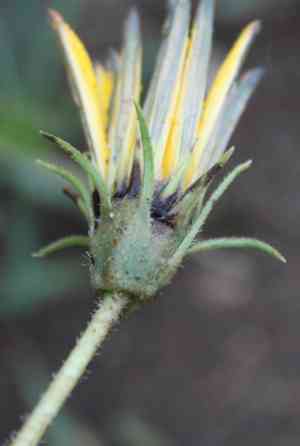
Celebrated for its brilliant, daisy-like blossoms, treasure flower's lively appearance is improved by consistent trimming. Essential methods involve removing spent blooms to encourage ongoing flowering and shortening withered stalks to preserve its form. The most effective pruning takes place from the beginning of spring until the end of autumn, aligning with periods of active development. Trimming prevents excessive density, guaranteeing proper air movement and sufficient light, both vital for treasure flower's robustness and bloom generation.
Advantages of Trimming Treasure Flower
Advantages of Trimming Treasure Flower
Trimming treasure flower promotes vigorous development and maintains its desired shape. It helps revitalize the plant's strength, ensuring a compact and attractive form that supports optimal health and visual appeal.
Optimal Time for Pruning Treasure Flower
Optimal Time for Pruning Treasure Flower
Pruning treasure flower in early spring is ideal, just before the growing season begins. This timing allows for the removal of any winter-damaged or dead foliage, giving treasure flower a fresh start for new growth. It also encourages a bushier plant and more blooms throughout the growing season. Pruning in late fall is also beneficial as it helps prepare treasure flower for dormancy by removing spent flowers and reducing the plant's overall size, which can minimize winter weather damage. Additionally, this can help prevent disease by eliminating potentially infected or infested plant parts before the plant goes dormant. These specific seasons ensure that pruning does not interfere with treasure flower's flowering cycle, as its peak blooming period is during the summer. Pruning outside these recommended times can reduce blooming potential or stress the plant, leading to decreased vigor or health.
Tools Required for Pruning Treasure Flower
Hand Pruners
Hand pruners are perfect for treasure flower, allowing precise cuts on its relatively thin stems and for deadheading spent flowers. Choose sharp, bypass pruners to ensure clean cuts without harming nearby stems.
Gardening Gloves
Gardening gloves will shield the gardener's hands from thorns and prevent potential skin irritation when pruning treasure flower. They also offer a better grip on pruning tools.
Pruning Shears
Similar to hand pruners, pruning shears are suitable for trimming treasure flower's soft stems and removing faded flowers. A pair with a comfortable handle will lessen hand fatigue during extended pruning sessions.
Disinfectant
Using a disinfectant to clean pruning tools before and after use will help prevent the spread of disease among treasure flower plants. A simple solution of bleach or rubbing alcohol can be used for this purpose.
How to Prune Treasure Flower
Step1: Optimal Pruning Schedule
Determine the best time for pruning treasure flower, which is typically after the flowering season when dead blooms are visible, or whenever you notice dried leaves.
Step2: Tool Sterilization
Sterilize your pruning shears or scissors with rubbing alcohol or a bleach solution to prevent disease transmission.
Step3: Removing Spent Flowers
Begin with dead flowers on treasure flower. Pinch off the spent flower heads or use your sterilized shears to cut them back to the base of the flower stem.
Step4: Trimming Dry Leaves
Inspect treasure flower for dried leaves. Using your shears, snip these leaves off at their base where they meet the stem or soil line, being careful not to damage new buds or shoots.
Step5: Careful Shaping and Cutting
When shaping treasure flower, only prune up to one-third of the plant at a time to avoid overstressing it. Make cuts just above leaf nodes or branching points to encourage bushier growth.
Step6: Disease and Pest Management
Examine treasure flower for any signs of disease or pest damage while pruning and remove these parts to inhibit further infection.
Step7: Proper Disposal of Cuttings
Dispose of the trimmed material (dead flowers and dried leaves) appropriately to prevent diseases from spreading in the garden.
Step8: Post-Pruning Irrigation
Water treasure flower lightly after pruning to aid recovery, but avoid overwatering as treasure flower prefers drier conditions.
Step9: Monitoring Recovery After Pruning
Monitor treasure flower over the subsequent weeks to ensure it responds well to pruning, with signs of new growth indicating a successful job.
Post-Pruning Care for Treasure Flower
Post-Pruning Care for Treasure Flower
Immediately after pruning treasure flower, water the plant thoroughly to promote healing. Place treasure flower in an area with full sun exposure, ensuring consistent temperatures between 50-75°F and moderate humidity. Post-pruning, apply a balanced fertilizer to support new growth. Monitor treasure flower for wilting, discoloration, or signs of infection, and if any issues arise, adjust care accordingly. Ensure soil remains moist but not saturated to foster treasure flower's recovery and growth.
Common Pruning Errors with Treasure Flower
Avoid excessive hard pruning of treasure flower
Cutting back treasure flower too severely can be harmful. Unlike some perennials that can tolerate hard pruning, treasure flower should not be cut back to the ground as this might stress the plant excessively and lead to growth problems.
Use clean, sharp tools for pruning treasure flower
Using unclean or dull tools for pruning treasure flower can damage the plant's tissues, leading to ragged cuts that are more vulnerable to disease and pests.
Prune treasure flower outside of active flowering period
Pruning treasure flower during active flowering can remove developing buds and reduce the plant's bloom potential. It's important to minimize the impact on flowering by pruning at appropriate times.
General Pruning Advice for Treasure Flower
Deadhead spent flowers to boost treasure flower's blooming
Deadheading treasure flower by removing spent flowers will encourage more blooms. Make clean cuts just above a set of leaves or a new bud to maintain the plant's appearance and promote continuous flowering.
Light trimming promotes denser growth in treasure flower
To keep treasure flower looking neat and encourage denser growth, lightly trim the foliage. This will stimulate the plant to produce more branching, which can result in a fuller plant with more blooms.
Remove dead or diseased foliage from treasure flower promptly
Inspect treasure flower regularly for dead or diseased foliage and remove these parts quickly. Pruning away unhealthy tissue helps prevent the spread of disease and allows the plant to direct energy into producing healthy growth.



