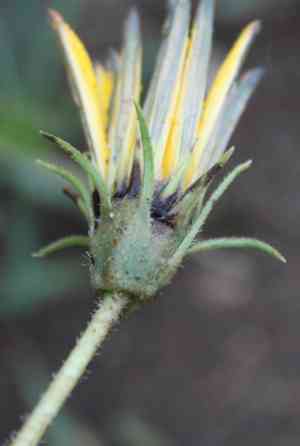
Treasure flower (Gazania linearis)
Also known as: Gazania, Tiger stripes treasure flower
Gazania linearis, also known as treasure flower, is a flowering plant in the daisy family, native to South Africa. It is widely grown for its striking and colorful blooms, which come in shades like yellow, orange, and red. Gardeners favor this plant for its ability to thrive in challenging conditions, including poor soil and drought. Often used in borders, rock gardens, and containers, Gazania linearis not only adds vibrant color but also helps in stabilizing soil in coastal dune environments.
In This Article
Attributes of Treasure flower
Lifespan
Perennial
Plant Type
Herb
Plant Height
15 cm
Spread
30 cm
Leaf Color
Green
Flower Size
8 cm
Flower Color
Yellow Orange White Brown
Images of Treasure flower
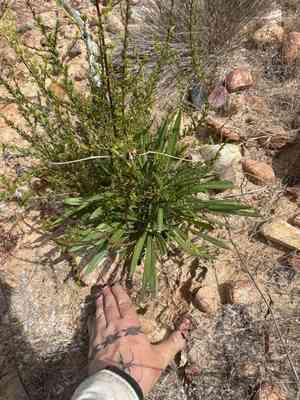
Quickly Identify Treasure flower
1
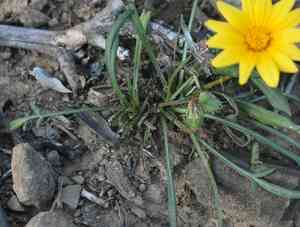
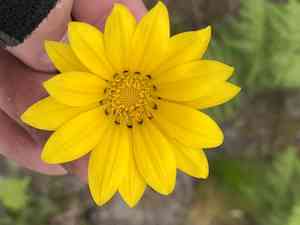
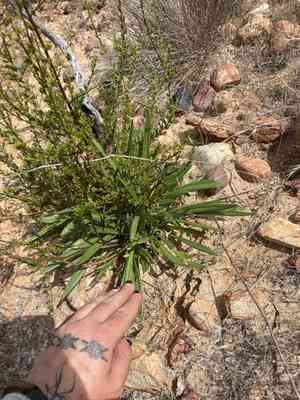
Gazania linearis can be identified by its bright, daisy-like flowers that come in shades of yellow, orange, and red, often with dark centers. The leaves are lance-shaped and silvery-green with a slightly hairy texture. The flowers typically open during the day to catch the sun and close at night or during overcast weather.
Scientific Classification of Treasure flower
Phylum
Vascular plants
Class
Dicotyledons
Order
Asterales
Family
Daisy
Genus
Treasure flowers
Species
Treasure flower
Planting and Growing of Treasure flower
Care Difficulty
Easy
Watering Schedule
Every 2 days
Sunlight Requirements
Full sun
Sunshine Duration
4-6 hours
Ideal Temperature
60-75℉
Soil Type
Potting Mix, Peat Mix
Soil pH
6.5-7.5
Fertilizer Type
Balanced
Pruning Season
Spring, Summer
Pruning Area
Branches, Leaves
Pruning Frequency
2 times a year
Repotting Season
Spring
Pot Type
Plastic, Terracotta
 How to Water Treasure flower?
Gazania linearis prefers its soil to be on the dry side, so make sure to water deeply but infrequently. Pour about 250 ml of water until the soil is moist but not soaked, ensuring that excess water drains away to prevent root rot.
What are the symptoms of an underwatered Treasure flower?
›
What should I do if my Treasure flower is not getting enough water?
›
What are the symptoms of an overwatered Treasure flower?
›
How to save an overwatered Treasure flower?
›
 What Are the Sunlight Requirements for Treasure flower?
Full sun exposure is ideal for Gazania linearis. This range ensures the plant synthesizes enough energy, resulting in vibrant flowers and healthy foliage, supporting its overall growth and resilience.
More About Sunlight Requirements Techniques→
What is the ideal location for Gazania linearis?
›
How can I maximize sunlight exposure for Gazania linearis?
›
Why is full sun ideal for Gazania linearis?
›
 What Is the Ideal Temperature Range for Treasure flower?
Gazania linearis thrives ideally in temperatures ranging from 60°F to 75°F. Within this range, the plant can photosynthesize effectively and show vigorous growth, as these conditions mimic its native habitat. Ensuring your Gazanias are kept within these temperatures will promote healthy blooming and foliage.
 What Soil is Best for Treasure flower?
Gazania linearis thrives in well-drained soils, which prevents waterlogging and root rot. Having a soil structure that allows excess water to flow away ensures healthy root development and vigorous plant growth. While Gazania linearis can handle poor soils, a nutrient-rich environment promotes more vibrant and abundant flowering. Incorporating organic matter or a balanced fertilizer can enhance blooming and the overall health of the plant. A moderately fertile soil ensures Gazania linearis receives adequate nutrients without overwhelming the plant. This balance helps maintain the plant's structural strength and flower production throughout the growing season.
 How to Fertilize Treasure flower?
For Gazania linearis, using liquid fertilizer, apply 1/2 strength of the recommended dose on the fertilizer label. For solid, slow-release fertilizers, 1-2 tablespoons per plant is sufficient. Be cautious of over-applying, as Gazanias can thrive in nutrient-poor conditions.
 How to Prune Treasure flower?
Begin by removing any faded or withered flowers. This not only improves appearance but also encourages more blooms. Snip the flower stem just above the first set of healthy leaves. Next, cut back any dead or lanky stems to promote bushier growth. Make your cuts just above a leaf node to encourage branching and avoid leaving empty, unattractive stem stubs. Regularly shape the plant to prevent it from becoming too leggy. Aim to maintain a compact, rounded form by evenly trimming around the plant. This enhances its aesthetic and encourages lush, healthy growth.
More About Pruning Techniques→
 How to Propagate Treasure flower plant?
1
Select a healthy, mature Gazania linearis plant and snip a non-flowering stem approximately 10 cm long. Remove any leaves on the lower half of the cutting to ensure they don't rot in the soil. Dip the cut end into a rooting hormone to stimulate root growth.
2
Fill a seed tray or pot with a well-draining potting mix, lightly pressing the seeds into the surface without covering them completely. Provide consistent moisture, but be cautious not to overwater as it can lead to fungal growth. Keep the tray in a bright location out of direct sunlight.
3
Place the cuttings into a well-draining potting mix or perlite. Ensure that the nodes from where the leaves were removed are below the soil surface. Water lightly to settle the soil around the cutting. Keep the setup in a warm, bright area, avoiding direct sunlight, to encourage rooting.
 How to Repot Treasure flower plant?
1
Gazania linearis typically requires repotting when it shows signs of being root-bound or when the growth slows significantly. If the roots are coming out of the drainage holes or the plant seems to dry out faster than usual, it's time to consider repotting. Spring and summer are the best seasons for this process because the plant is actively growing, making it easier for it to adapt to new soil and space.
2
When selecting a pot for your Gazania linearis, opt for a container that is only slightly larger than the current one. This ensures the roots have enough space to spread without overwhelming them. The pot should have excellent drainage to prevent waterlogging, which can harm the plant's health. Choosing the right size and material, such as terracotta, helps maintain the right moisture balance, offering stability and support.
3
The ideal soil for Gazania linearis is a well-draining sandy mix. This type of soil ensures that the roots do not sit in water, preventing root rot while providing ample aeration. A soil mix that combines sand, garden soil, and a bit of compost offers the perfect nutrients and drainage, helping the plant to thrive and display its vibrant blooms.
Learn More About Treasure flower Diseases
Anthracnose
Bacterial Leaf Spot
Bacterial Soft Rot
Bacterial Wilt
Black Spot
Chemical Injury
Crown Gall
Cyst Nematode
Damping-off
Downy Mildew
Drought Stress
Fusarium Wilt
Gray Mold
Leaf Spot
Mosaic
Nutrient Deficiency
Nutrient Toxicity
Powdery Mildew
Root Rot
Root-knot Nematode
Rusts
Sooty Mold
Spider Mites
Temperature Stress
Thrips Damage
White Mold



