How to Transplant Dwarf huckleberry?
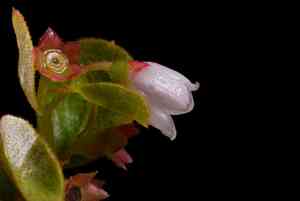
The ideal period for relocating dwarf huckleberry is as spring's warmth invigorates the ground, spanning from its commencement to its zenith. Select a shaded spot featuring acidic earth. Bear in mind, delicate manipulation is crucial for safeguarding its delicate root system.
What Preparations are Needed Before Transplanting Dwarf Huckleberry?
What is the Ideal Time for Transplanting Dwarf Huckleberry?
Relocate dwarf huckleberry as warmth returns and frost recedes â from early spring's awakening until summer's onset. This timing ensures favorable soil conditions, promoting better root establishment. Moving dwarf huckleberry during this period capitalizes on nature's regenerative cycle, boosting growth potential and survival rates. Utilize this transplanting window for a flourishing dwarf huckleberry display.
How Much Space Should You Leave Between Dwarf Huckleberry Plants?
Greetings! Prior to commencing, you'll want to provide your dwarf huckleberry ample room to develop and spread. Aim for a spacing of 12 inches (30 cm) to 3 feet (91 cm) apart. This allows your dwarf huckleberry to flourish without competing for resources.
What is the Best Soil Mix for Dwarf Huckleberry Transplanting?
Your dwarf huckleberry will thrive in well-drained, acidic soil with a pH below 6.0. Before planting, incorporate organic matter, such as peat moss or compost, to enrich the soil. It's also beneficial to add a balanced slow-release fertilizer to give your dwarf huckleberry a healthy start.
Where Should You Relocate Your Dwarf Huckleberry?
Find a location for your dwarf huckleberry where it can enjoy partial to full shade, as excessive direct sunlight may stress the plant. An ideal spot is beneath the dappled light of larger trees or on the north side of a structure, where it will receive gentle morning light or late afternoon shade.
What Equipments Should You Prepare Before Transplantation Dwarf Huckleberry?
Gardening Gloves
To safeguard your hands while handling soil and the plant.
Shovel or Spade
For excavating and moving earth around the dwarf huckleberry.
Garden Fork
To loosen soil and extract the plant with minimal root damage.
Watering Can or Hose
For hydrating the dwarf huckleberry before removal and after replanting.
Wheelbarrow
To transport the dwarf huckleberry and soil if necessary.
Measuring Tape
To correctly space the plants according to their expected growth.
Mulch
To aid in retaining soil moisture and regulating temperature post-transplant.
Pruning Shears
For trimming any damaged roots or branches before or after transplant.
How Do You Remove Dwarf Huckleberry from the Soil?
How Do You Remove Dwarf Huckleberry from the Soil?
From Ground: First, hydrate the dwarf huckleberry to moisten the soil. Then, excavate a wide trench around the plant using a shovel or spade, ensuring the root ball remains intact. Carefully work the spade beneath the root ball to gently lift the plant from its original position.From Pot: Water the soil in the container to facilitate easier extraction. Tilt the pot sideways and gently tap the sides to loosen the soil. Grasp the base of the dwarf huckleberry and carefully slide it out, keeping the root ball whole.From Seedling Tray: Water the seedlings and allow the water to penetrate to make the roots more flexible. Use a garden fork or hand tool to gently lift the dwarf huckleberry from the tray while preserving as much of the root system as possible.
Step-by-Step Guide for Transplanting Dwarf Huckleberry
Preparation
Examine the growth pattern and root system of dwarf huckleberry to determine the necessary space for healthy development.
Extracting plant
Utilize the appropriate method from the 'removal process' to carefully extract your dwarf huckleberry from its current location, preserving the root structure as much as possible.
Transplanting Hole
Dig a hole in the ground approximately twice the width of the root ball and of equal depth. The additional space allows the roots to spread easily.
Placing the Plant
Position the dwarf huckleberry in the center of the hole. The top of the root ball should be level with the ground surface.
Fill Soil
Carefully backfill the hole with soil, gently firming it down around the roots of the dwarf huckleberry without excessive compaction.
Watering
Thoroughly water the dwarf huckleberry after planting to settle the soil around the roots and eliminate air pockets.
Mulching
Apply mulch around the base of the plant to help retain moisture and regulate soil temperature.
How Do You Care For Dwarf Huckleberry After Transplanting?
Initial Watering
Maintain consistent moisture in the soil around the dwarf huckleberry for the initial few weeks to aid in establishing strong roots.
Monitoring
Regularly check on your dwarf huckleberry to observe its growth and identify any signs of stress.
Adjustments
If the dwarf huckleberry exhibits signs of struggle, such as wilting foliage, modify its care accordingly, and consider consulting a local expert if necessary.
Mulch
Replenish the mulch as needed to conserve moisture and inhibit weed growth.
Pruning
Remove any dead or damaged branches to encourage vigorous growth.
Troubleshooting Common Issues with Dwarf Huckleberry Transplantation.
How do I select the best time for transplanting dwarf huckleberry?
Aim for the period of rejuvenationâfrom early to late springâwhen dwarf huckleberry thrives with new growth.
How much space is needed between dwarf huckleberry once transplanted?
Space dwarf huckleberry 12 inches to 3 feet (30 cm to 91 cm) apart to ensure proper development and air circulation.
What are the signs of transplant shock in dwarf huckleberry?
Look for drooping leaves, discoloration, or stunted development, which are typical indicators of shock in dwarf huckleberry.
What soil conditions favor dwarf huckleberry's successful transplantation?
Plant dwarf huckleberry in well-draining, acidic soil rich in organic matter for optimal health and growth.
How often should I water dwarf huckleberry post-transplant?
Water dwarf huckleberry generously at the time of transplanting and then maintain consistent moisture without over-saturation.
Can I transplant dwarf huckleberry under direct sunlight?
It's advisable to transplant dwarf huckleberry into a location with partial shade to shield it from intense sun.
How deep should I plant dwarf huckleberry's roots during transplanting?
Ensure the root ball of dwarf huckleberry is positioned at the same depth as it was in its original container or ground.
What is the ideal way to handle dwarf huckleberry's roots when transplanting?
Gently separate dwarf huckleberry's roots to encourage outward growth, but avoid excessive handling to prevent damage.
Is it necessary to prune dwarf huckleberry during transplanting?
Pruning isn't essential, but trimming damaged or excessively long roots can promote a healthy foundation for dwarf huckleberry.
Should I fertilize dwarf huckleberry right after transplanting?
Wait a few weeks before applying a gentle, acid-loving plant fertilizer to allow dwarf huckleberry to acclimate to its new environment.



