How to Prune Dwarf huckleberry?
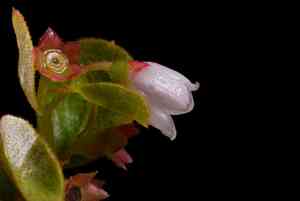
The dwarf huckleberry, recognized for its compact stature and palatable fruit, flourishes with infrequent trimming. Conduct pruning activities in late winter or early spring while the plant is dormant, prior to the emergence of new shoots. Eliminate any deceased or compromised branches to foster robust development and enhance fruit yield. Reducing dense sections improves air movement, thereby preventing ailments. Trimming also aids in preserving the preferred form and dimensions, guaranteeing the dwarf huckleberry continues to be an appealing feature in indigenous landscapes.
Advantages of Trimming Dwarf Huckleberry
Advantages of Trimming Dwarf Huckleberry
Trimming dwarf huckleberry promotes robust development, aiding in revitalization. By eliminating overgrown or lifeless branches, it sustains an attractive form, directs the plant's energy to healthy stems, and enhances air circulation, lowering disease risk.
Optimal Time for Trimming Dwarf Huckleberry
Optimal Time for Trimming Dwarf Huckleberry
Trimming dwarf huckleberry is best done in late winter to early spring. This timing allows gardeners to remove any damaged or dead wood before the start of the new growth season, ensuring the plant's energy is directed towards healthy branches. Pruning at this stage helps maintain the desired shape and improve airflow within the plant's structure, ultimately contributing to its overall health and vigor. Trimming during the dormant season minimizes stress on dwarf huckleberry and avoids disrupting its flowering and fruiting cycles that usually occur in late spring to summer. By following this schedule, new growth that emerges after pruning will have ample time to mature and produce flowers and berries in the following season.
Tools Required for Trimming Dwarf Huckleberry
Bypass Hand Pruners
Perfect for making clean cuts on live stems and branches of dwarf huckleberry without causing harm due to their sharp, curved blades.
Micro-Tip Pruning Snips
Crucial for detailed work on dwarf huckleberry, especially for thinning out dense areas and snipping small, delicate stems.
Handheld Pruning Saws
Suitable for cutting through thicker, woody stems of dwarf huckleberry that have matured and demand more effort to prune.
Pruning Gloves
Essential for protecting the gardener's hands from thorns and rough plant material while working on dwarf huckleberry.
Loppers
Useful for reaching into denser growth and for leverage when cutting through branches of dwarf huckleberry that are slightly thicker than what hand pruners can handle.
How to Trim Dwarf Huckleberry
Sanitize tools
Before trimming dwarf huckleberry, sanitize all pruning tools using a solution of one part bleach to nine parts water to prevent the spread of disease.
Remove diseased withered leaves
Carefully remove diseased and withered leaves from dwarf huckleberry by gently plucking them off or using clean, sharp scissors. Target only the affected leaves to avoid unnecessary stress on the plant.
Cut dead diseased branches
Trim dead and diseased branches on dwarf huckleberry with sanitized pruning shears. Make cuts at a 45-degree angle, just above a healthy bud or set of leaves to promote healing and new growth.
Shape plant
Shape dwarf huckleberry by selectively pruning overgrown branches. Do not remove more than one-third of the plant's total volume to maintain its health and encourage rejuvenation.
Cleanup
After trimming dwarf huckleberry, remove all cuttings from the area to discourage pests and disease. Dispose of diseased material in a way that prevents contamination of healthy plants.
Common Trimming Errors with Dwarf Huckleberry
Excessive trimming
Removing too much foliage can stress dwarf huckleberry, weakening the plant and potentially leading to reduced flowering or even plant death.
Using dull tools
Dull pruning tools can cause jagged cuts, which may lead to infections and poor wound healing in dwarf huckleberry.
Trimming too late
Trimming dwarf huckleberry after buds have started to form can result in accidently removing future flowers or fruit.
Ignoring dead wood
Failing to remove dead or diseased branches can invite pests and diseases, compromising dwarf huckleberry's health.
Incorrect cut placement
Cutting too far from or too close to a bud can damage dwarf huckleberry, either by leaving a stub that encourages decay or by harming the bud itself.
General Trimming Advice for Dwarf Huckleberry
Clean cuts
Make clean and precise cuts at a 45-degree angle, about 1/4 inch above a bud that faces the outside of the plant â this encourages an open shape for dwarf huckleberry.
Sanitize tools
Before trimming, ensure all cutting tools are sanitized to prevent the spread of disease to dwarf huckleberry.
Thin crowded areas
Thin out areas where branches are overcrowded to improve light penetration and air circulation, which is essential for the health of dwarf huckleberry.
Preserve natural shape
Aim to maintain dwarf huckleberry's natural shape while trimming, removing only whatâs necessary to enhance its beauty and health.
Responsive trimming
Monitor dwarf huckleberry after trimming and adjust the care as needed, such as watering or fertilizing, to support its recovery and growth.



