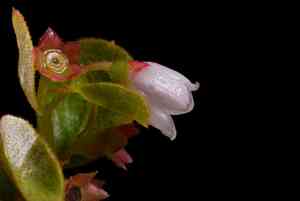
Dwarf huckleberry (Gaylussacia dumosa)
Also known as: Gopherberry
The dwarf huckleberry, a low-growing shrub, thrives in sandy soils and partial shade. In late summer and fall, it yields shiny, dark blue berries that are considered edible.
In This Article
Attributes of Dwarf huckleberry
Lifespan
Perennial
Plant Type
Shrub
Plant Height
30 cm to 61 cm
Spread
30 cm to 90 cm
Leaf Color
Green Yellow Gold Blue
Flower Size
2.5 cm
Flower Color
White Pink Cream
Images of Dwarf huckleberry
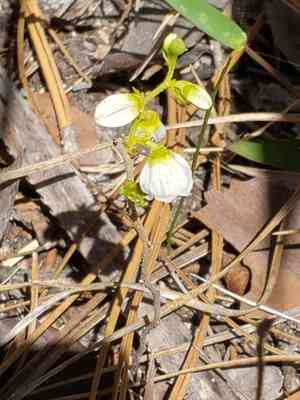
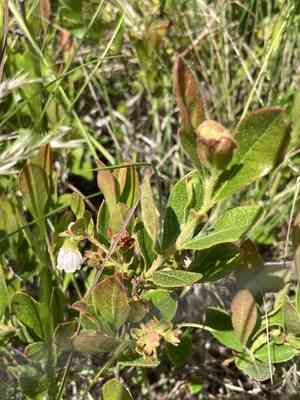
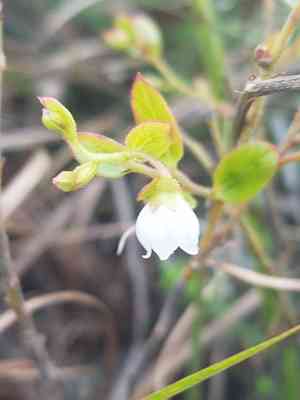
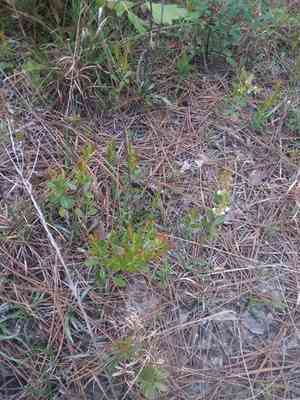
Quickly Identify Dwarf huckleberry
1
Cream-colored bell-shaped flowers in racemes resemble blueberry blooms.
2
Glossy blue-black berries with 10 nutlets and shifting colors from green to ripe.
3
Leathery leaves with fuzzy margins, yellow resin dots on lower surface.
4
Copiously pubescent stem with fine, soft hairs, green to reddish-brown.
5
Fine, exfoliating bark in thin sheets with delicate peeling, varying gray-brown tones.
Scientific Classification of Dwarf huckleberry
Phylum
Vascular plants
Class
Dicotyledons
Order
Ericales
Family
Heath
Genus
Huckleberry
Species
Dwarf huckleberry
Planting and Growing of Dwarf huckleberry
Care Difficulty
Easy
Watering Schedule
Every 3 days
Sunlight Requirements
Full sun
Sunshine Duration
6-12 hours
Ideal Temperature
60-75℉
Soil Type
Potting Mix, Peat Mix
Soil pH
4.5-5.5
Fertilizer Type
Balanced
Pruning Season
Spring, Summer
Pruning Area
Branches, Leaves
Pruning Frequency
2 times a year
Repotting Season
Spring
Pot Type
Plastic, Ceramic
 How to Water Dwarf huckleberry?
Gaylussacia dumosa, also known as the Dwarf Huckleberry, requires a watering approach that ensures the soil is moist but never waterlogged. Aim to water with approximately 250 ml, enough to see moisture emerging from drainage holes but avoiding pooling water.
What are the symptoms of an underwatered Dwarf huckleberry?
›
What should I do if my Dwarf huckleberry is not getting enough water?
›
What are the symptoms of an overwatered Dwarf huckleberry?
›
How to save an overwatered Dwarf huckleberry?
›
 What Are the Sunlight Requirements for Dwarf huckleberry?
Partial to full sun is optimal for Gaylussacia dumosa, allowing 4-8 hours of sun. Adequate light enhances growth, strengthens stems, and boosts flowering and berry production, vital for its health and vigor.
More About Sunlight Requirements Techniques→
How much light is ideal?
›
What are optimal placement strategies?
›
What are the benefits of ideal lighting?
›
 What Is the Ideal Temperature Range for Dwarf huckleberry?
Gaylussacia dumosa thrives best in a temperature range between 60°F and 75°F. This range provides the warmth necessary for optimal physiological functions, including photosynthesis and nutrient absorption. Maintaining this temperature range helps ensure the plant's health and productivity, as temperatures within this spectrum mimic its natural habitat.
 What Soil is Best for Dwarf huckleberry?
Gaylussacia dumosa thrives in acidic soils, benefiting from the nutrient availability and optimal bacterial activity, which promote root health and overall plant vitality. This plant prefers sandy soil because it allows water to drain quickly, preventing root rot and giving the roots access to oxygen, crucial for vigorous growth. Tolerant of poor soils, Gaylussacia dumosa is adapted to low nutrient environments, which minimizes competition and makes it ideal for naturalizing in wild gardens.
 How to Fertilize Dwarf huckleberry?
For Gaylussacia dumosa, using a balanced fertilizer with a ratio such as 10-10-10 is ideal. When applying liquid fertilizer, use 1/2 teaspoon per gallon of water to ensure plants get the nutrients they need without overwhelming them.
 How to Prune Dwarf huckleberry?
Start by cutting away any dead, damaged, or diseased branches. Look for branches that appear lifeless, brittle, or discolored as these should be removed to maintain plant health. Focus on thinning out overly dense areas within the shrub to allow sunlight and air to reach the inner parts. This encourages healthier growth and helps prevent diseases caused by condensation and excessive humidity. Trim the remaining branches to shape the plant as desired. Make your cuts at a 45-degree angle just above a bud that faces outward to promote growth in that direction and achieve a balanced form.
More About Pruning Techniques→
 How to Propagate Dwarf huckleberry plant?
1
Collect ripe seeds from the fruit of Gaylussacia dumosa, then dry them thoroughly before sowing. It's crucial to ensure seeds are mature and viable for a higher germination rate.
2
Fill seed trays with well-draining soil mix, then place seeds approximately 1 inch apart on the surface. Cover them lightly with soil, and keep them in a warm, bright area to encourage germination.
3
Select healthy, disease-free stems around 4-6 inches in length and cut them just below a node. Remove any flowers or buds to redirect energy towards root development.
 How to Repot Dwarf huckleberry plant?
1
You should consider repotting Gaylussacia dumosa when you notice roots protruding from the drainage holes, or if growth has significantly slowed down. This indicates the plant has outgrown its current pot. The ideal time for repotting is early spring or early autumn when the plant is not under the stress of extreme temperatures.
2
Choose a pot that is about 1-2 inches larger than the current pot to allow room for growth. A pot with drainage holes is essential to prevent waterlogging, which can lead to root rot. Selecting the correct size and type of pot ensures healthy root development and prevents overwetting.
3
Search for an acidic, well-draining potting mix to mimic the natural habitat of Gaylussacia dumosa. This type of soil supports proper aeration and drainage, crucial for avoiding root rot and ensuring the plant's nutritional needs are met.



