How to Transplant French oat-grass?
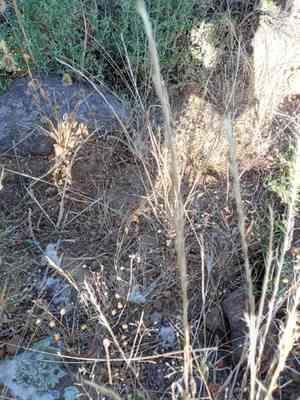
For french oat-grass, the optimal time for relocation extends from early spring through its peak, providing perfect conditions for development. Select a location bathed in sunlight with soil that drains effectively to guarantee the thriving of french oat-grass. Helpful advice: only move this annual if absolutely essential for its well-being.
What Preparations are Needed Before Transplanting French Oat-grass?
What is the Ideal Time for Transplanting French Oat-grass?
Moving french oat-grass is best done in mid-spring. The moderate warmth of this period promotes robust root development without the stress of intense summer heat. Relocating french oat-grass at this optimal time ensures vigorous growth and hardiness.
How Much Space Should You Leave Between French Oat-grass Plants?
When preparing to move your french oat-grass, allow ample room for expansion! Position them approximately 4-6 inches (10-15 cm) apart. This provides each plant with the necessary individual space to flourish!
What is the Best Soil Mix for French Oat-grass Transplanting?
For your french oat-grass, you'll want to prepare the soil appropriately. Select a well-draining mixture and enhance it with a balanced, slow-release fertilizer. This is like setting a nutritious table before inviting french oat-grass to dine!
Where Should You Relocate Your French Oat-grass?
Your french oat-grass thrives on sunlight, so choose a bright location where they can receive full sun for most of the day. Consider it finding the sunniest spot in your garden where french oat-grass can sunbathe undisturbed!
What Equipments Should You Prepare Before Transplantation French Oat-grass?
Gardening Gloves
To safeguard your hands while handling soil and plants.
Spade or Shovel
For excavating around the french oat-grass to extract it and to dig the new planting hole.
Hand Trowel
For more detailed tasks or smaller specimens.
Watering Can or Hose
To hydrate the french oat-grass before and after relocation to minimize transplant shock.
Garden Fork
To gently loosen the soil around the plant's root system without causing significant harm.
Wheelbarrow or Plant Tray
To transport the french oat-grass from its original spot to the new location without damage.
Pruning Shears
To trim any damaged roots or foliage as required.
How Do You Remove French Oat-grass from the Soil?
How Do You Remove French Oat-grass from the Soil?
From Ground: Thoroughly water the french oat-grass to moisten the soil, facilitating digging and protecting the root ball. Dig a wide circle around the french oat-grass with a spade or shovel, then slide it beneath the root ball to carefully lift the plant from the ground.From Pot: If the french oat-grass is in a container, tilt the pot sideways and gently tap the bottom and sides to loosen the root ball. Support the plant at its base and carefully slide it out of the pot, taking care not to pull on stems or leaves.From Seedling Tray: Water the seedling tray to moisten the soil, making it easier to extract the french oat-grass seedlings. Use a hand trowel or a dibber to gently lift each seedling by pushing up from the bottom of the tray cell.
Step-by-Step Guide for Transplanting French Oat-grass
Prepare the New Site
Excavate a hole at the new location that is twice the width and the same depth as the french oat-grass's root ball to ensure ample space without constricting the roots.
Root Ball Care
Gently untangle any tightly coiled or compressed roots with your hands or a garden fork to encourage outward growth.
Positioning the french oat-grass
Place the french oat-grass in the center of the hole so it stands upright. The top of the root ball should be level with the surrounding ground.
Fill the Hole
Carefully backfill the hole with soil, gently firming it around the french oat-grass to eliminate air pockets. Avoid over-compacting the soil, as this can impede root development.
Watering In
After planting, thoroughly water the french oat-grass to settle the soil and hydrate the roots. Ensure the water penetrates deeply into the root zone.
Stabilizing
If necessary, insert stakes and loosely tie the french oat-grass to them for support until the roots establish and can sustain the plant independently.
How Do You Care For French Oat-grass After Transplanting?
Monitoring
Regularly observe the french oat-grass for indications of stress, such as wilting or discolored leaves, and adjust care as needed.
Watering
Maintain consistent moisture in the soil around the french oat-grass to promote root growth, especially during the initial weeks post-transplant. Avoid excessive watering to prevent root rot.
Mulching
Apply a layer of mulch around the base of the french oat-grass to retain moisture, regulate soil temperature, and reduce weed competition.
Protection
In severe weather conditions, provide shelter like shade cloth or windbreaks to help the french oat-grass adapt to its new environment.
Troubleshooting Common Issues with French Oat-grass Transplantation.
Why is my french oat-grass wilting after transplanting?
Post-transplant wilting may signal shock. Keep soil consistently damp, but not waterlogged, to aid root recovery.
What's the best time to transplant french oat-grass?
The optimal transplanting period is during the milder conditions of mid to late spring when soil temperatures encourage growth.
How deep should I plant french oat-grass seedlings?
Plant french oat-grass seedlings at the same depth they were in their previous container to minimize stress.
Can I transplant french oat-grass in summer?
It's advisable to avoid summer transplanting, which can stress french oat-grass due to intense heat and dry conditions.
How far apart should I space french oat-grass when transplanting?
For optimal growth, space french oat-grass 4-6 inches (10-15 cm) apart, allowing sufficient room for air circulation.
What soil type is best for transplanting french oat-grass?
Utilize well-draining soil rich in organic matter to supply the nutrients french oat-grass needs to flourish.
How do I know if french oat-grass is getting enough water after transplanting?
Soil should be moist but never saturated. Check by touch; the soil should adhere slightly to your fingers.
Why are the leaves of my transplanted french oat-grass turning yellow?
Yellowing leaves could indicate overwatering. Ensure proper drainage and slightly reduce watering frequency.
Should I fertilize french oat-grass right after transplanting?
Wait 4-6 weeks post-transplant before fertilizing to prevent root burn and allow french oat-grass to establish.
How can I protect newly transplanted french oat-grass from pests?
Regularly inspect plants and use organic pest deterrents, avoiding harsh chemicals detrimental to tender french oat-grass.



