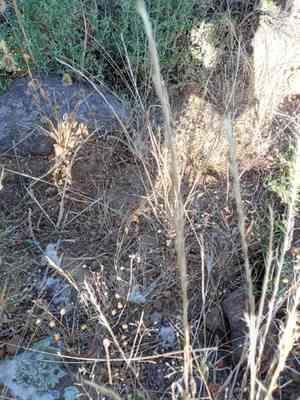
French oat-grass (Gaudinia fragilis)
Also known as: French oat
French oat-grass (*Gaudinia fragilis*), originally native to Southern Europe, thrives primarily in calcium-rich clay soils. It is commonly found in fields, pastures, and along roadsides, with its name likely derived from its presence in France.
In This Article
Attributes of French oat-grass
Lifespan
Annual
Plant Type
Grass
Plant Height
15 cm to 1.2 m
Spread
Not applicable, as it is a grass species
Leaf Color
Green
Flower Size
Small
Flower Color
Yellow Green Purple Brown
Images of French oat-grass
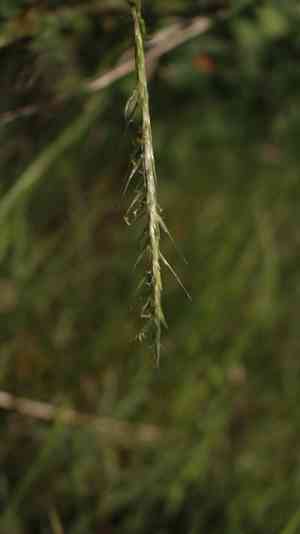
Quickly Identify French oat-grass
1
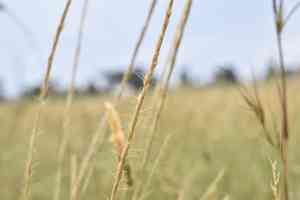
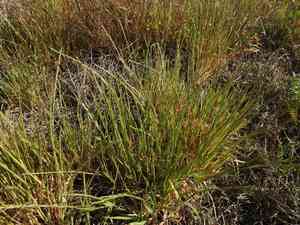
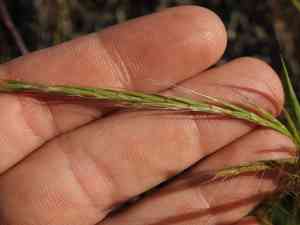
Gaudinia fragilis can be identified by its slender and fragile stems, small spikelets, and open panicles. The leaves are narrow and fine, and it typically has a delicate appearance.
Scientific Classification of French oat-grass
Phylum
Vascular plants
Class
Monocotyledons
Order
Poales
Family
Grass
Genus
Fragile oats
Species
French oat-grass
Planting and Growing of French oat-grass
Care Difficulty
Easy
Watering Schedule
Every 2 days
Sunlight Requirements
Partial sun
Sunshine Duration
4-8 hours
Ideal Temperature
60-75℉
Soil Type
Potting Mix, Peat Mix
Soil pH
6.5-7.5
Fertilizer Type
Balanced
Pruning Season
Spring, Summer
Pruning Area
Branches, Leaves
Pruning Frequency
2 times a year
Repotting Season
Spring
Pot Type
Plastic, Ceramic
 How to Water French oat-grass?
For Gaudinia fragilis, ensure watering keeps the soil consistently moist but not waterlogged. Aim for about 200 ml per session, making sure the water penetrates the root zone without creating standing water. This plant appreciates consistently moist conditions but is sensitive to overwatering.
What are the symptoms of an underwatered French oat-grass?
›
What should I do if my French oat-grass is not getting enough water?
›
What are the symptoms of an overwatered French oat-grass?
›
How to save an overwatered French oat-grass?
›
 What Are the Sunlight Requirements for French oat-grass?
Gaudinia fragilis thrives best in partial to full sun exposure. Ideal lighting supports its vigorous growth, enhances photosynthesis, and maintains an overall healthy plant appearance.
Optimal Sun Exposure
›
Shading Techniques
›
Consistent Lighting
›
 What Is the Ideal Temperature Range for French oat-grass?
The ideal temperature range for Gaudinia fragilis lies between 60°F and 75°F. Within this range, the plant thrives by optimizing its metabolic processes and achieving healthy growth. Ensuring the temperature consistently stays within this range promotes robust plant development and prevents stress-induced issues.
 What Soil is Best for French oat-grass?
Gaudinia fragilis thrives in well-drained soils, which allow excess water to flow away, preventing root rot. This type of soil ensures the plant's roots get the correct balance of moisture and air, promoting healthy growth. This plant benefits from nutrient-rich soils that provide essential minerals and organic matter necessary for growth. Such soils can support robust development and enhance the plant's overall vitality, leading to lush foliage. While well-drained soil is crucial, the soil should also retain enough moisture to prevent the plant from drying out. This balance helps maintain consistent hydration levels, crucial for the plant's metabolic processes.
 How to Fertilize French oat-grass?
When fertilizing Gaudinia fragilis, it's crucial to apply a balanced fertilizer at a rate of 1-2 pounds per 100 square feet. This ensures adequate nutrient availability without overwhelming the plant's root system.
 How to Prune French oat-grass?
Begin by inspecting the plant for any dead or damaged leaves. These should be removed promptly to prevent the spread of disease and to allow the plant to focus its energy on new growth. Gently cut away such leaves at their base. Identify areas where the plant appears to be growing too densely. Carefully thin these sections by cutting back select stalks to improve air circulation and sunlight penetration, promoting healthier overall growth.
More About Pruning Techniques→
 How to Propagate French oat-grass plant?
1
Collect seeds from mature Gaudinia fragilis plants in late autumn when seed heads have dried and ripened. Handle with care to avoid seed loss during collection.
2
Sow the seeds evenly in seed trays using a quality potting mix. Cover lightly with soil and ensure even moisture without waterlogging. Ideal conditions include a warm, bright environment to encourage germination.
3
Once seedlings have developed a few leaves and sturdy stems, transplant them to larger pots or directly into the garden. Choose a site with adequate sunlight and good soil drainage.
 How to Repot French oat-grass plant?
1
Look for signs like crowded roots poking from the drainage holes, slow growth, or water sitting on top of the soil. These indicate it's time to repot Gaudinia fragilis. By acting in either spring or autumn, when the plant is naturally more resilient, you avoid the stress that extreme conditions might cause.
2
Choose a pot 2-3 inches wider than the current one. Ensure it has drainage holes to prevent waterlogging, which could lead to root rot. A slightly larger pot allows space for the roots to spread comfortably, fostering healthier growth and reducing the risk of tipping over as the plant matures.
3
Select a well-draining potting mix that combines peat, perlite, and sand. This blend mimics natural habitats, ensuring adequate air circulation and moisture retention without the risk of sogginess, promoting optimal root health and nutrient uptake for a thriving plant.



