How to Prune French oat-grass?
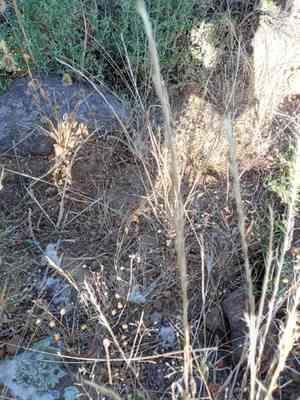
A fragile perennial grass, french oat-grass thrives with ample light and adequately draining soil. Trim french oat-grass following its bloom period to inhibit self-propagation and control its expansion. The perfect time for trimming spans from late spring through autumn, coinciding with french oat-grass's vigorous periods. Consistent cutting improves air circulation, lowers the chance of illness, and upholds its visual appeal. Trimming should be light, safeguarding its inherent shape and avoiding strain on french oat-grass's delicate framework.
What Are the Benefits of Pruning French Oat-grass?
What Are the Benefits of Pruning French Oat-grass?
Trimming french oat-grass encourages robust development and helps maintain its form. Consistent cutting promotes a denser habit, ensuring french oat-grass remains visually appealing and thriving.
What Is the Best Time for Pruning French Oat-grass?
What Is the Best Time for Pruning French Oat-grass?
Pruning french oat-grass in Spring is ideal as it marks the start of the growing season, allowing the plant to recuperate and produce new shoots after trimming, which fosters vigorous growth. Additionally, pruning in early Fall, post-growing season, prepares french oat-grass for dormancy, eliminates dead or diseased foliage that could harbor pests and diseases, and preserves plant shape and size, while avoiding pruning during late Fall, which can stimulate new growth vulnerable to winter damage.
What Tools Do I Need to Prune French Oat-grass?
Gardening Scissors
Lightweight and sharp, gardening scissors are perfect for snipping off dead or yellowing leaves of french oat-grass without harming the rest of the plant. They enable precise cuts, crucial given the delicate nature of french oat-grass.
Hand Pruners
French oat-grass's slender stems may need thinning or shaping, for which hand pruners are suitable. This tool allows for clean and accurate cuts, which can help prevent stem damage and encourage healthy regrowth.
Grass Shears
For trimming and shaping the grass-like foliage of french oat-grass, grass shears offer a quick and easy method to uniformly cut back the plant. These are especially useful for maintaining the ornamental look of french oat-grass in a garden setting.
Thinning Shears
If french oat-grass forms dense clumps, thinning shears can be used to selectively remove some stems while leaving others intact. This will enhance air circulation and light penetration throughout the plant.
How to Prune French Oat-grass
Identify
Locate the withered or dead leaves on french oat-grass. Examine from the plant's base to the blade tips for any leaves that are brown, dry, and brittle.
Sanitize
Before pruning french oat-grass, disinfect your pruning tools with rubbing alcohol or a 10% bleach solution to prevent disease spread.
Trim
Using sharp scissors or hand pruners, carefully cut away the withered leaves at their base. Cut as close to the base as possible without harming healthy tissue.
Dispose
Properly discard the removed withered leaves from french oat-grass. Do not leave them on the ground as they may harbor pests or diseases.
Cleanup
After pruning french oat-grass, clean your tools again and wash your hands to minimize the transfer of potential plant pests or diseases.
Common Pruning Mistakes with French Oat-grass
Over-pruning
Removing too much plant material, which can stress french oat-grass and diminish its overall vigor and resilience.
Improper cutting technique
Using dull or unsuitable tools leading to jagged cuts that can harm french oat-grass by creating open wounds vulnerable to pests and diseases.
Neglecting tool hygiene
Not sterilizing tools between cuts, potentially spreading diseases among french oat-grass specimens or to other plants.
Pruning at wrong stage
Pruning french oat-grass when it's developing new shoots or when it is flowering can negatively impact its growth and blooming potential.
Disregarding plant structure
Ignoring the natural shape and growth habit of french oat-grass, leading to an unbalanced or weakened plant structure.
Common Pruning Tips for French Oat-grass
Sharp tools
Use sharp, clean shears to make precise cuts, which helps french oat-grass recover more quickly and reduces the risk of disease.
Selective pruning
Focus on removing dead or damaged foliage and stems to improve air circulation and prevent disease in french oat-grass.
Aesthetic shaping
Gradually shape french oat-grass for a pleasing appearance, taking care not to remove more than one-third of the growth at any one time to maintain plant health.
Consistent monitoring
Regularly inspect french oat-grass for any problematic growth or signs of distress, addressing these issues promptly through targeted pruning.
Post-pruning care
After pruning french oat-grass, provide adequate water and potentially a balanced fertilizer to support recovery and new growth.



