How to Transplant Eastern nit-grass?
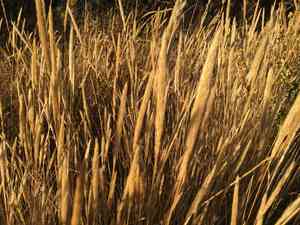
Eastern nit-grass thrives when relocated in the lively period of early spring or the gentle warmth of early to mid-summer. Select bright, adequately drained spots for an ideal cultivation setting. Enjoy your planting!
What Preparations are Needed Before Transplanting Eastern Nit-grass?
What is the Ideal Time for Transplanting Eastern Nit-grass?
The best period to move eastern nit-grass is from early spring through early to mid-summer. This timeframe provides sufficient warmth and light, encouraging strong root development. Transplanting then also benefits from soil moisture, aiding in establishment and growth. These conditions help eastern nit-grass flourish and reach its full potential as an annual plant.
How Much Space Should You Leave Between Eastern Nit-grass Plants?
When relocating eastern nit-grass, ensure each plant is positioned approximately 12 inches (30 cm) apart to allow ample room for healthy development and prevent overcrowding.
What is the Best Soil Mix for Eastern Nit-grass Transplanting?
Prepare well-draining soil by incorporating organic matter, such as compost or aged manure. This will enrich the soil and supply eastern nit-grass with the necessary nutrients to thrive.
Where Should You Relocate Your Eastern Nit-grass?
Select a sunny location for transplanting eastern nit-grass. This plant performs best with full to partial sunlight, so aim for an area that receives at least 6-8 hours of sun daily.
What Equipments Should You Prepare Before Transplantation Eastern Nit-grass?
Gardening Gloves
To safeguard your hands while handling soil and plants.
Shovel or Spade
For excavating the ground.
Hand Trowel
Useful for more precise digging tasks.
Watering Can or Hose
To hydrate the plant before and after its relocation.
Wheelbarrow
For moving large plants or transporting soil.
Mulch
To maintain soil moisture and protect the newly transplanted plant.
Stakes and Ties
To provide support for the plant if necessary after transplanting.
How Do You Remove Eastern Nit-grass from the Soil?
How Do You Remove Eastern Nit-grass from the Soil?
From Ground: First, moisten the eastern nit-grass plant's soil with water. Then, dig a wide trench around the plant using a shovel or spade, ensuring the root ball remains intact. Carefully work the spade beneath the root ball to lift the plant from its original spot.From Pot: Water the eastern nit-grass plant to ensure the soil is damp. Gently tap the pot's sides to loosen the soil, then carefully slide the plant out, supporting the root ball as you do.From Seedling Tray: Water the seedling tray to moisten the soil. Use a hand trowel to gently lift the eastern nit-grass seedlings by their root balls, taking care not to harm the roots.
Step-by-Step Guide for Transplanting Eastern Nit-grass
Preparation of New Location
Select the appropriate site for your eastern nit-grass plant's new home based on its growth requirements.
Digging the New Hole
Excavate a hole that is twice the width of the plant's root ball and equally deep.
Plant Placement
Position the eastern nit-grass plant in the hole, ensuring it sits at the same depth as it was in its previous location.
Backfilling and Firming
Fill in around the root ball with soil, gently firming to remove air pockets.
Watering
Thoroughly water the eastern nit-grass plant immediately after transplanting to help settle the soil around the roots.
Adding Mulch
Apply a layer of mulch around the plant's base to help retain moisture and regulate soil temperature.
Staking (If Necessary)
If the eastern nit-grass plant is tall or top-heavy, use stakes and ties for support until it becomes established.
How Do You Care For Eastern Nit-grass After Transplanting?
Consistent Watering
Keep the soil around the eastern nit-grass consistently moist, but not waterlogged, for the initial weeks post-transplant to aid in root establishment.
Mulch Maintenance
Regularly inspect the mulch layer and replenish it as needed to maintain soil moisture levels.
Monitoring Growth
Observe the eastern nit-grass plant for any indications of stress or disease, and address problems promptly.
Minimal Disturbance
Avoid disturbing the eastern nit-grass plant once it has been transplanted, as it requires time to settle into its new location.
Troubleshooting Common Issues with Eastern Nit-grass Transplantation.
When is the best time to transplant eastern nit-grass?
Relocate eastern nit-grass in early spring, or from early to mid-summer for optimal results.
What spacing is ideal for transplanting eastern nit-grass?
Space eastern nit-grass plants 12 inches (30 cm) apart to ensure healthy development.
How should I prepare the soil for transplanting eastern nit-grass?
Loosen the soil and incorporate organic compost to enrich nutrients before planting eastern nit-grass.
How deep should I plant eastern nit-grass during transplanting?
Plant eastern nit-grass at the same depth it was growing previously, typically about 1 inch (2.5 cm) deep.
What should I do if eastern nit-grass wilts after transplanting?
Water eastern nit-grass thoroughly and provide partial shade until it recovers from transplant shock.
How often should I water eastern nit-grass after transplanting?
Keep the soil consistently moist but not saturated, watering every few days if necessary.
What type of sunlight does eastern nit-grass need after transplanting?
Ensure eastern nit-grass receives full to partial sunlight for optimal growth.
Can I use fertilizer after transplanting eastern nit-grass?
Wait a few weeks after transplanting before applying a balanced, slow-release fertilizer to eastern nit-grass.
How can I protect eastern nit-grass from pests after transplanting?
Utilize natural repellents or physical barriers and regularly inspect eastern nit-grass for any signs of pest damage.
What should I do if the roots of eastern nit-grass are damaged during transplanting?
Trim damaged roots cleanly with sterilized shears and plant eastern nit-grass carefully, ensuring good root-to-soil contact.



