How to Prune Eastern nit-grass?
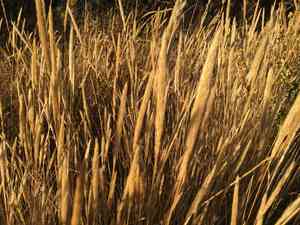
Eastern nit-grass, a unique grass characterized by its compact clumps and delicate stalks, flourishes with infrequent trimming to preserve its form and encourage robust development. The most effective time for pruning is in Spring, Summer, and Fall, coinciding with its active development phases. Eliminating aged, discolored foliage improves both its visual appeal and overall plant strength, fostering vigorous regeneration. Advantages of pruning encompass enhanced air movement and a diminished likelihood of pest problems, which are vital for sustaining the well-being and look of eastern nit-grass.
What Are the Benefits of Pruning Eastern Nit-grass?
What Are the Benefits of Pruning Eastern Nit-grass?
Trimming eastern nit-grass promotes robust development and helps maintain its desired configuration. Regular cutting back manages size, fosters healthier, denser leaves, and improves overall plant resilience and look.
What Is the Best Time for Pruning Eastern Nit-grass?
What Is the Best Time for Pruning Eastern Nit-grass?
Pruning eastern nit-grass in Spring is ideal as it stimulates strong growth and assists in shaping the plant early in the season before significant growth spurts. Summer trimming is best for removing any dead or overgrown foliage, which helps maintain plant health and appearance. Additionally, cutting in Fall prepares eastern nit-grass for dormancy, encouraging better survival during colder months, while eliminating vulnerable parts that might harbor pests or diseases.
What Tools Do I Need to Prune Eastern Nit-grass?
Hand Pruners
Given the fine blades and grass-like structure of eastern nit-grass, hand pruners are crucial for precise cuts, especially when thinning or removing damaged foliage. These instruments allow for careful selection and removal of specific areas without harming surrounding grass blades.
Grass Shears
Eastern nit-grass benefits from using grass shears for shaping and maintaining the plant's overall health. Grass shears are perfect for clipping and managing dense foliage, enabling even and controlled pruning that encourages healthy regrowth.
Scissors
For minor trimming and upkeep of eastern nit-grass, scissors can be very effective. This tool is ideal for quick touch-ups and the removal of any misplaced blades.
String Trimmer
For managing larger areas or borders where eastern nit-grass is cultivated, a string trimmer can be utilized. They make it easy to quickly cut back edges and are particularly useful for maintaining straight or contoured lines.
Lawn Mower
If eastern nit-grass is grown in a large, lawn-like setting, a lawn mower with adjustable height settings may be necessary. This tool would primarily be useful for overall shortening of the plant height en masse, ensuring vigorous growth by stimulating new shoots.
How to Prune Eastern Nit-grass
Identify
Locate and select the withered or yellowed leaves on eastern nit-grass. This involves carefully inspecting the plant to differentiate old or dead leaves that no longer contribute to its growth or appearance.
Prepare
Ready appropriate tools for the pruning process. For eastern nit-grass, use sharp, clean scissors or pruning shears. Sanitize the blades before and after use to prevent disease spread.
Cut
Carefully snip the chosen withered leaves at their base, close to the stem. Ensure the cuts are clean and smooth to promote rapid healing and reduce the risk of disease.
Dispose
Properly discard the removed leaves. Do not leave them near eastern nit-grass as they could harbor pests or diseases that might be detrimental to the plant or other nearby plants.
Monitor
Regularly observe eastern nit-grass after pruning to assess its response. Healthy new growth indicates successful pruning, while any signs of distress should be addressed promptly with appropriate care.
Common Pruning Mistakes with Eastern Nit-grass
Over pruning
Removing too much foliage from eastern nit-grass can severely hinder the plant's ability to photosynthesize and impair its growth. A common error is cutting back more than one-third of the plant's total foliage in a single pruning session.
Improper technique
Using dull or dirty pruning tools can cause jagged cuts that are prone to infections. It's crucial to use sharp, clean shears to make clean cuts which help eastern nit-grass heal faster and more efficiently.
Neglecting form
Ignoring the natural shape of eastern nit-grass during pruning can result in a less aesthetically pleasing form. It is important to maintain the integrity of its form by following the lines and structure of eastern nit-grass while pruning.
Incorrect cut position
Cuts made too far from a bud or node can lead to dead stubs, while cuts too close can damage budding regions, impeding future growth. Making precise cuts just above nodes encourages healthier regrowth.
Common Pruning Tips for Eastern Nit-grass
Timing of cuts
Plan pruning cuts to encourage growth in your desired direction, this can control the shape and effectiveness of eastern nit-grass in your garden.
Tool preparation
Always use sharp, clean pruning tools to ensure precise and clean cuts. Sterilize your tools before use to prevent the spread of disease.
Moderate pruning
Prune sparingly and strategically, aiming to remove only the necessary parts, such as dead or overgrown branches, without stripping too much of the plant at once.
Follow natural shape
Respect the natural architecture of eastern nit-grass by pruning in a way that maintains or enhances its form. This helps achieve a more natural growth pattern and an appealing appearance.



