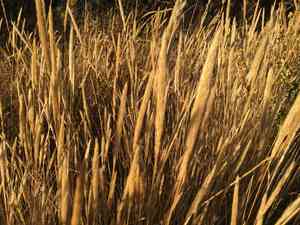
Eastern nit-grass (Gastridium phleoides)
Also known as: Crawdad claws
*Gastridium* is a small yet common genus of grasses found in Africa and Eurasia. These plants are often referred to as nit grass.
In This Article
Attributes of Eastern nit-grass
Lifespan
Annual
Plant Type
Grass
Plant Height
Up to 60 cm
Spread
Typically narrow and erect, not applicable for diameter
Leaf Color
Green
Flower Size
N/A, as it forms compact spikelets
Flower Color
Pale green to purplish
Images of Eastern nit-grass
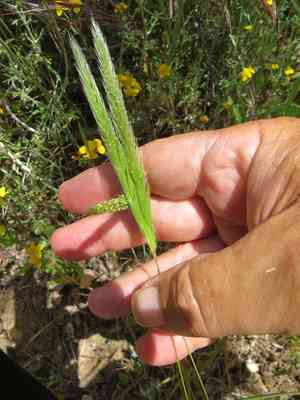
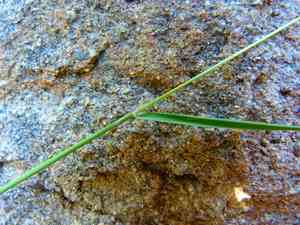
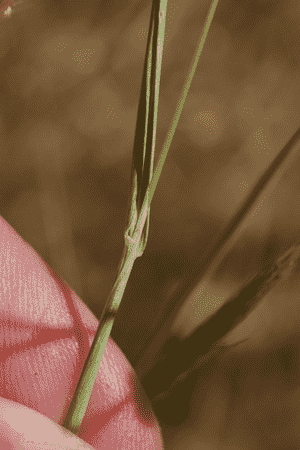
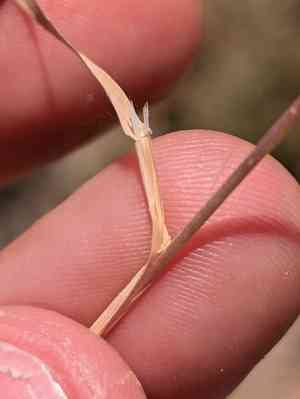
Quickly Identify Eastern nit-grass
1
Identify Gastridium phleoides by its slender, erect stems and narrow leaves. Its inflorescence is a compact, spike-like panicle, which is often pale green to purplish in color.
Scientific Classification of Eastern nit-grass
Phylum
Vascular plants
Class
Monocotyledons
Order
Poales
Family
Grass
Genus
Nit grasses
Species
Eastern nit-grass
Planting and Growing of Eastern nit-grass
Care Difficulty
Easy
Watering Schedule
Every 2 days
Sunlight Requirements
Partial sun
Sunshine Duration
6-10 hours
Ideal Temperature
59-77℉
Soil Type
Potting Mix, Peat Mix
Soil pH
6.5-7.5
Fertilizer Type
Balanced
Pruning Season
Spring, Summer
Pruning Area
Branches, Leaves
Pruning Frequency
2 times a year
Repotting Season
Spring
Pot Type
Plastic, Terracotta
 How to Water Eastern nit-grass?
For Gastridium phleoides, it is essential to provide a moderate watering approach. When watering, ensure the soil is evenly moist but not soggy. Water about 150 ml per instance, allowing the soil to dry slightly between waterings to mimic its natural habitat conditions.
What are the symptoms of an underwatered Eastern nit-grass?
›
What should I do if my Eastern nit-grass is not getting enough water?
›
What are the symptoms of an overwatered Eastern nit-grass?
›
How to save an overwatered Eastern nit-grass?
›
 What Are the Sunlight Requirements for Eastern nit-grass?
Partial sunlight maximizes Gastridium phleoides' growth potential, allowing for efficient photosynthesis while minimizing heat stress. This light range promotes healthy leaves and steady flowering, enhancing the plant's decorative appeal.
What is the optimal lighting for Gastridium phleoides?
›
What if my Gastridium phleoides receives too much shade?
›
Does the seasonal change in sunlight affect Gastridium phleoides?
›
 What Is the Ideal Temperature Range for Eastern nit-grass?
The ideal temperature range for Gastridium phleoides is between 59°F and 77°F. This range ensures optimal growth and proper physiological function. The plant thrives in mild climates where temperatures are consistently moderate, promoting healthy foliage and strong root development.
 What Soil is Best for Eastern nit-grass?
Gastridium phleoides thrives in well-drained soil as it helps prevent root rot by allowing excess water to efficiently escape. This is beneficial for the plant, especially in areas with heavy rainfall, making it less susceptible to water-related stress. A nutrient-rich substrate supports robust growth for Gastridium phleoides. Soils enriched with organic matter provide essential nutrients that foster healthy plant development and enhance its resilience against pests. This plant demands moderate soil moisture levels, accommodating its growth without over-saturation. Maintaining these levels ensures steady nutrient uptake and supports healthy foliage and root development.
 How to Fertilize Eastern nit-grass?
Gastridium phleoides thrives with moderate nutrients, requiring a careful balance. Over-fertilization can stress this grass, leading to poor growth, but under-fertilization can also stunt its development. Aim for 1/4 teaspoon of liquid fertilizer per liter of water monthly, and a slow-release granular application of about 20 grams per square meter bi-annually.
 How to Prune Eastern nit-grass?
Start by removing any dead or diseased parts of the plant. This ensures that your plant focuses its energy on healthy growth and prevents the spread of disease. Trim back overgrown areas to maintain a symmetrical shape and encourage a bushier form. Cut stems back to a node or a leaf to stimulate new growth from that point. Respect the plant’s natural growth habit when pruning. Avoid making cuts that drastically alter the natural shape of Gastridium phleoides, focusing instead on enhancing its innate beauty.
More About Pruning Techniques→
 How to Propagate Eastern nit-grass plant?
1
Start by soaking the seeds in warm water for 24 hours to soften the seed coat. This step increases the chances of successful germination by allowing the seedling to break through more easily.
2
Once prepared, place the seeds in a seed tray filled with a well-draining potting mix. Cover them lightly with soil, as most grass seeds require light to germinate. Maintain consistent moisture but avoid over-watering, which can cause rotting.
3
For division propagation, gently remove the parent plant from the soil. Use a sharp knife or spade to divide the root mass into smaller sections. Each section should have both roots and shoots to ensure new growth.
 How to Repot Eastern nit-grass plant?
1
The best time to repot Gastridium phleoides is when you notice roots emerging from the drainage holes or if the plant seems to outgrow its pot, appearing root-bound. Spring and Autumn provide optimal conditions, as the plant is naturally in a state of growth or dormancy, minimizing stress during the transition.
2
Select a pot that is slightly larger than the current one, ensuring there is room for root expansion. The pot should have generous drainage holes to prevent waterlogging. A terracotta pot is a good choice as it allows moisture to evaporate and reduces the risk of overwatering, which is beneficial for Gastridium phleoides.
3
Opt for a well-draining loamy mix rich in organic matter. This type of soil promotes healthy root growth and provides the necessary nutrients. The soil's ability to retain moisture just enough, while allowing excess water to drain, is crucial for the plant's growth and prevents root rot.



